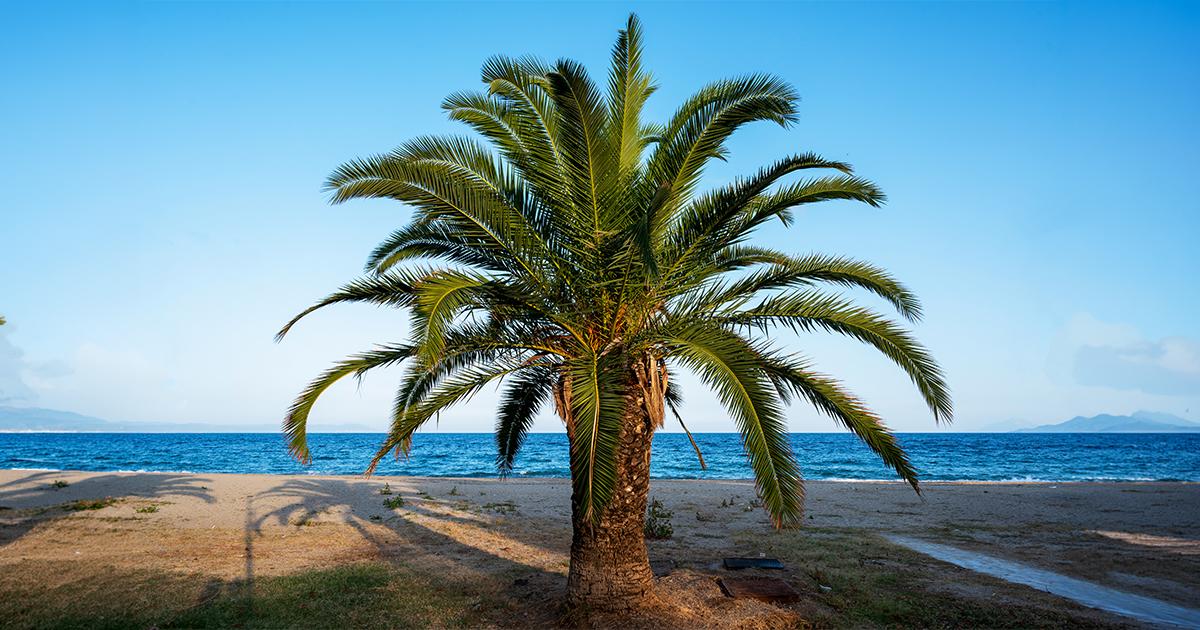
Species richness of palm trees in Spain
WH Spain is home to both native and introduced palms. Among the best known species are:
- Dwarf palm (Chamaerops humilis) - the only native palm of Europe. It grows wild in southern Spain, especially in the regions of Andalusia, Valencia and Murcia. It is a low species, drought-tolerant and adapted to the Mediterranean climate.
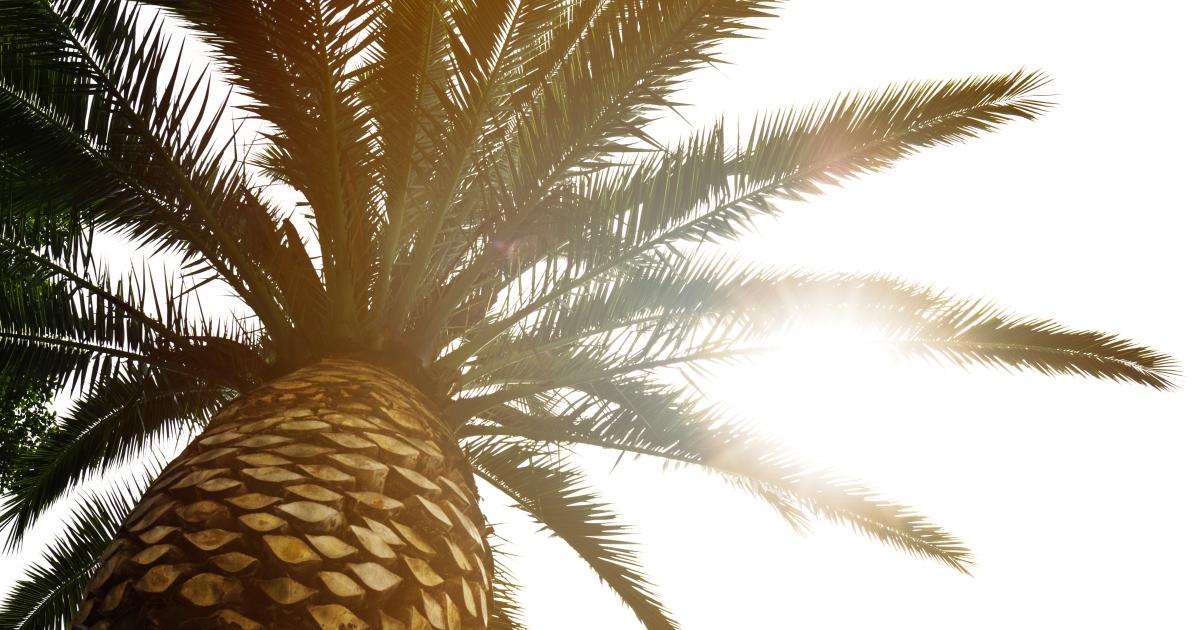
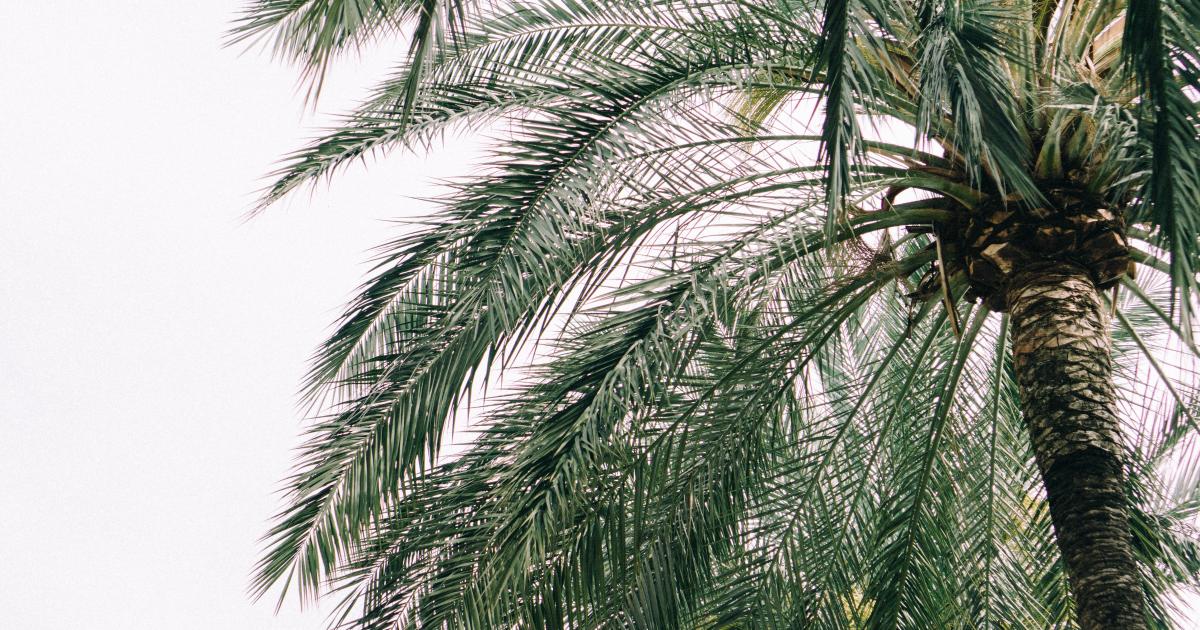
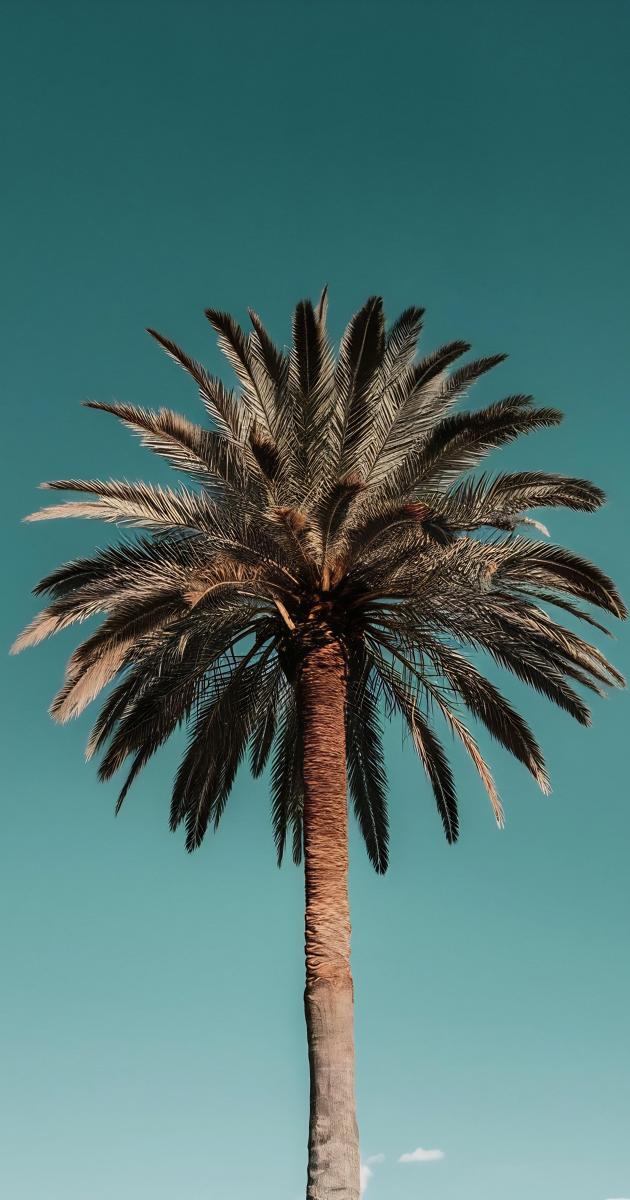
- Date palm (Phoenix dactylifera) - brought to the Iberian Peninsula by the Phoenicians and Arabs. It thrives best in the southern regions of Spain, and the famous date groves in Elche have been designated a UNESCO World Heritage Site.
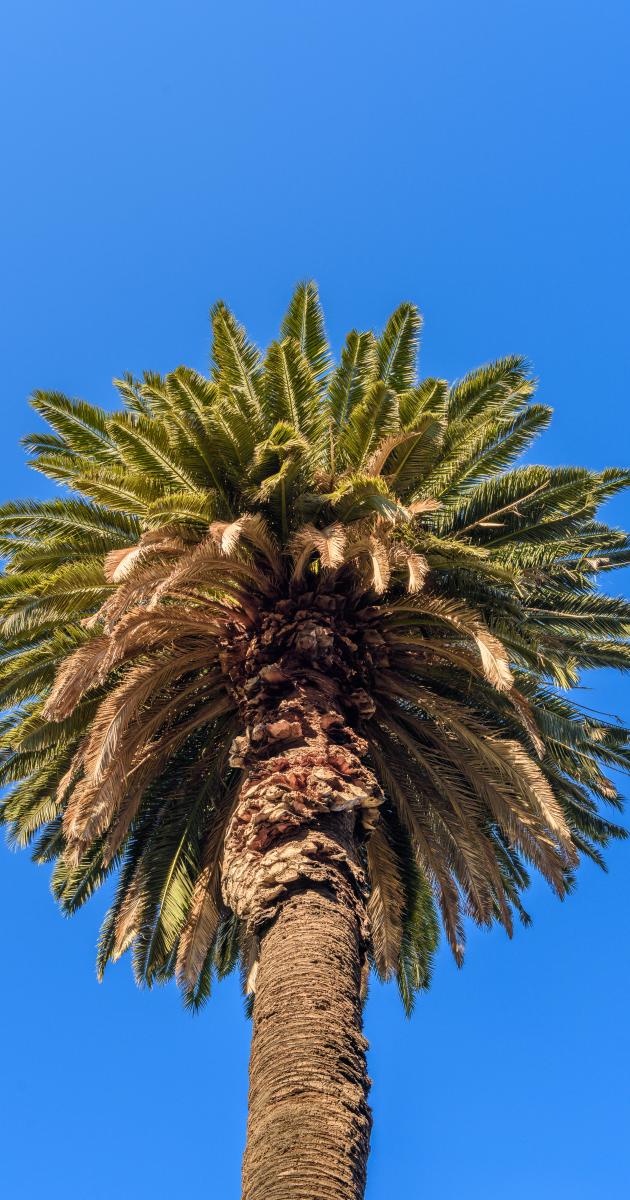
- The Canary Palm (Phoenix canariensis) - endemic to the Canary Islands, has become a popular landscape feature throughout Spain. It is characterized by its majestic appearance and spreading crown.
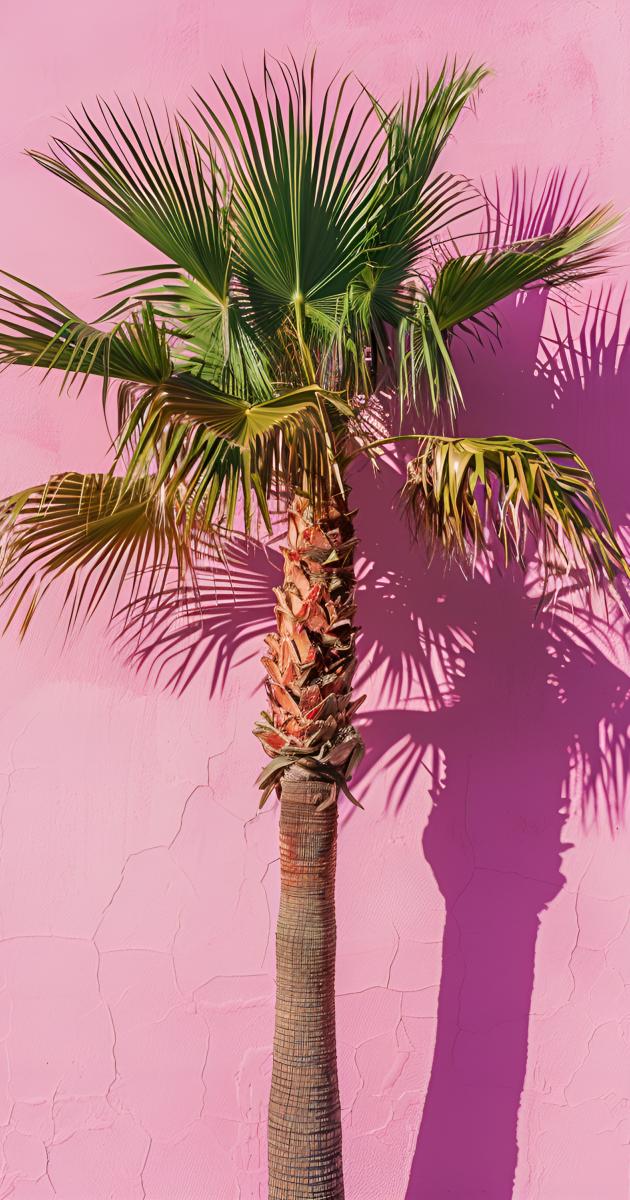
- Washingtonia filifera (Washingtonia filifera) and Washingtonia robusta (Washingtonia robusta) - species introduced from North America, often planted in parks and gardens for their striking appearance.

Where do palm trees in Spain come from?
The history of palm trees in Spain dates back to ancient times. The Phoenicians, as the first sailors, brought date palm seeds to the Iberian Peninsula some 3,000 years ago. During the Muslim era (eighth to fifteenth centuries), palms gained particular importance as a part of Arab-style garden architecture.
During this period, famous palm groves were created, like the one in Elche, which is still a testament to the harmony between man and nature.
With the colonization of the Americas in the 15th and 16th centuries, the Spaniards brought in new species of palm trees that quickly adapted to the Mediterranean climate.
The role of palms in the landscape and culture
Palm trees in Spain serve many functions:
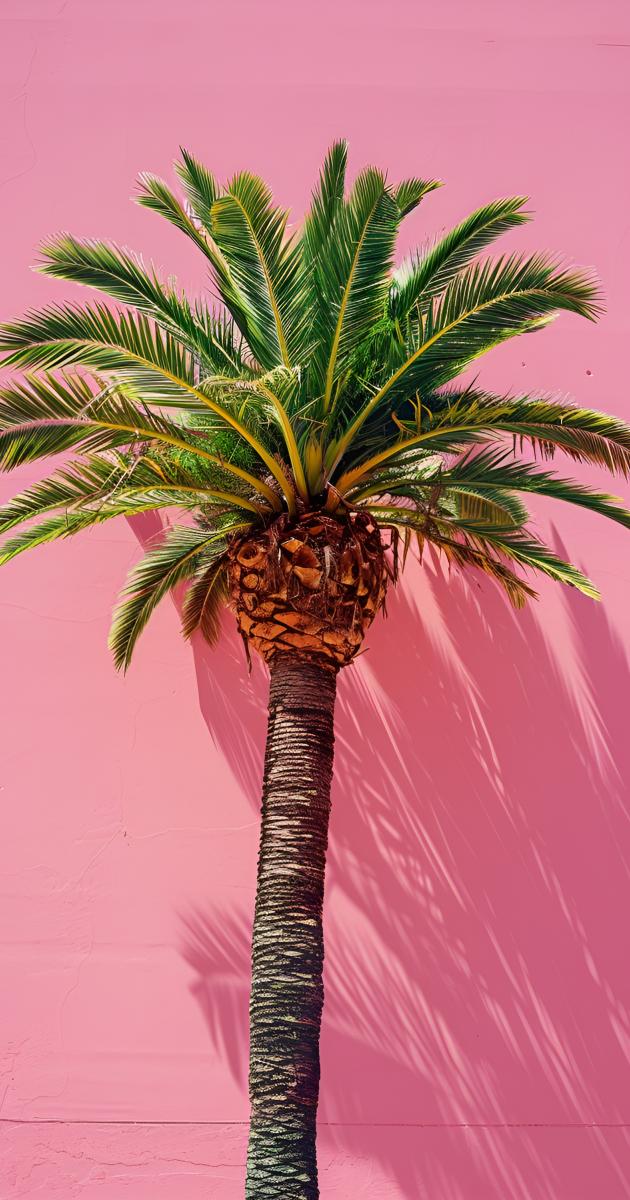
- Esthetic and decorative - they are a symbol of luxury and exoticism. In city parks, alleys and gardens, they create picturesque landscapes.
- Utility - the date palm provides fruit, and its leaves were used to make mats and baskets. The dwarf palm was used to make fibers.
- Ecosystem - provide shelter for birds and insects. Palm groves protect the soil from erosion.
- Cultural - In the Elche region, "Palm Sunday" is celebrated annually using artistically woven palm leaves.
Threats and protection
In recent decades, palm trees in Spain have faced various threats, including the invasion of pests such as the red palm beetle (Rhynchophorus ferrugineus). This pest is causing huge losses in palm populations, forcing authorities and scientists to implement conservation programs.
Best places to admire palm trees in Spain
- Palm Grove in Elche - the largest in Europe, with more than 200,000 trees.
- Maria Luisa Park in Seville - full of a variety of palm trees, surrounding the famous Spanish Square.
- Canary Islands - especially Gran Canaria and Tenerife, where the Canary palm grows in its natural habitat.
- Costa del Sol - The palm tree-lined avenues in Malaga and Marbella are iconic sights of the region.