Cieza: The pink sea of Murcia. Discover Europe's largest peach orchard
When we think of flowering trees, Japan and its cherry trees come to mind. Meanwhile, just an hour away from the Costa Blanca is a place that turns into a surreal pink landscape in March. Cieza, the orchard heart of the Region of Murcia, offers a spectacle whose history dates back to Roman times and whose scale is unparalleled in all of Europe.
13 thousand hectares of dewy color
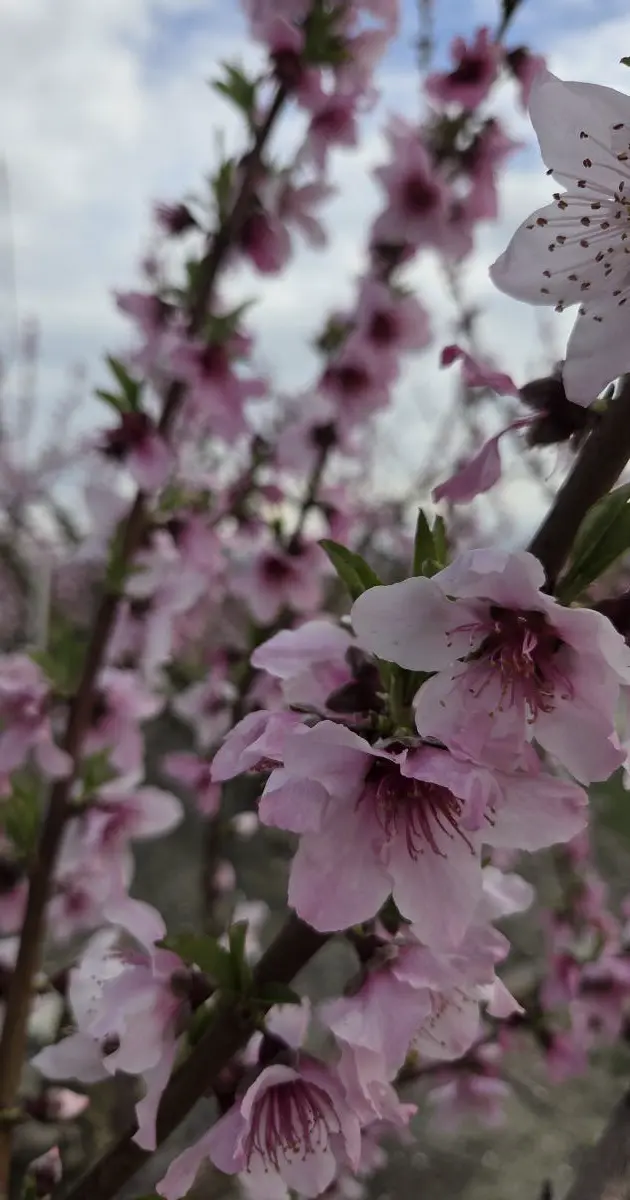
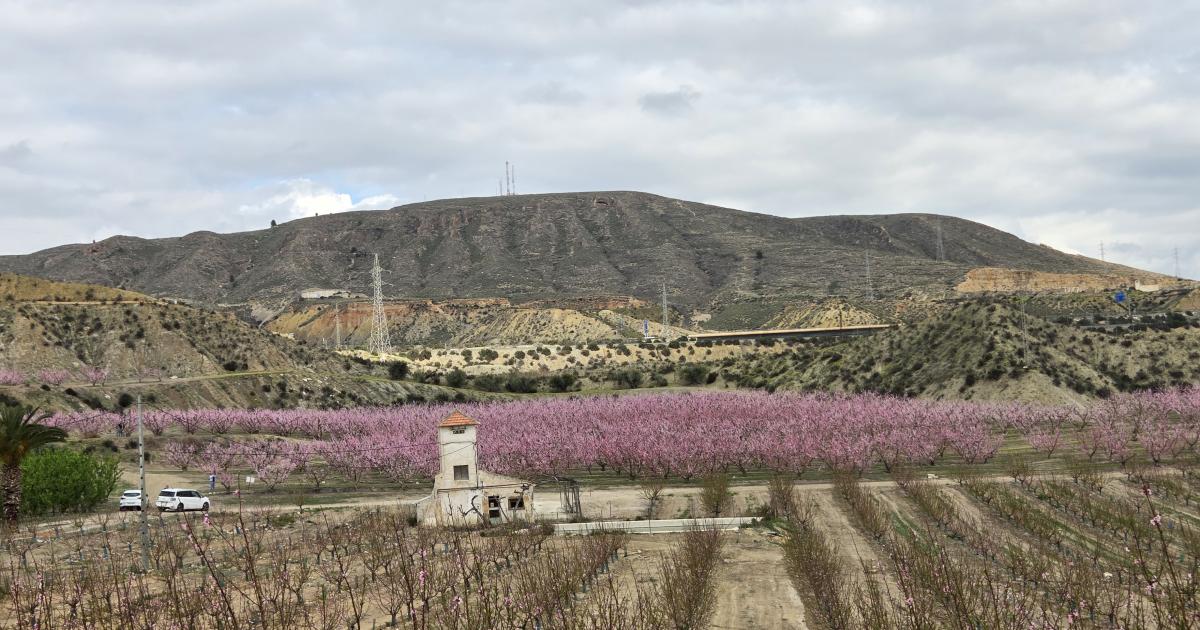
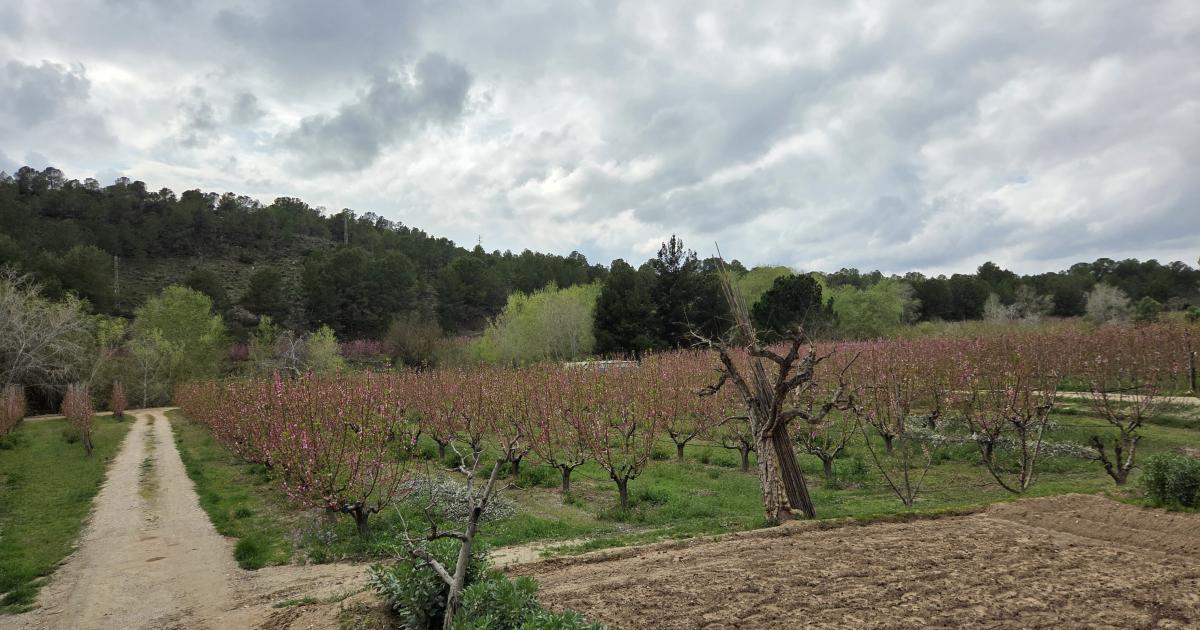
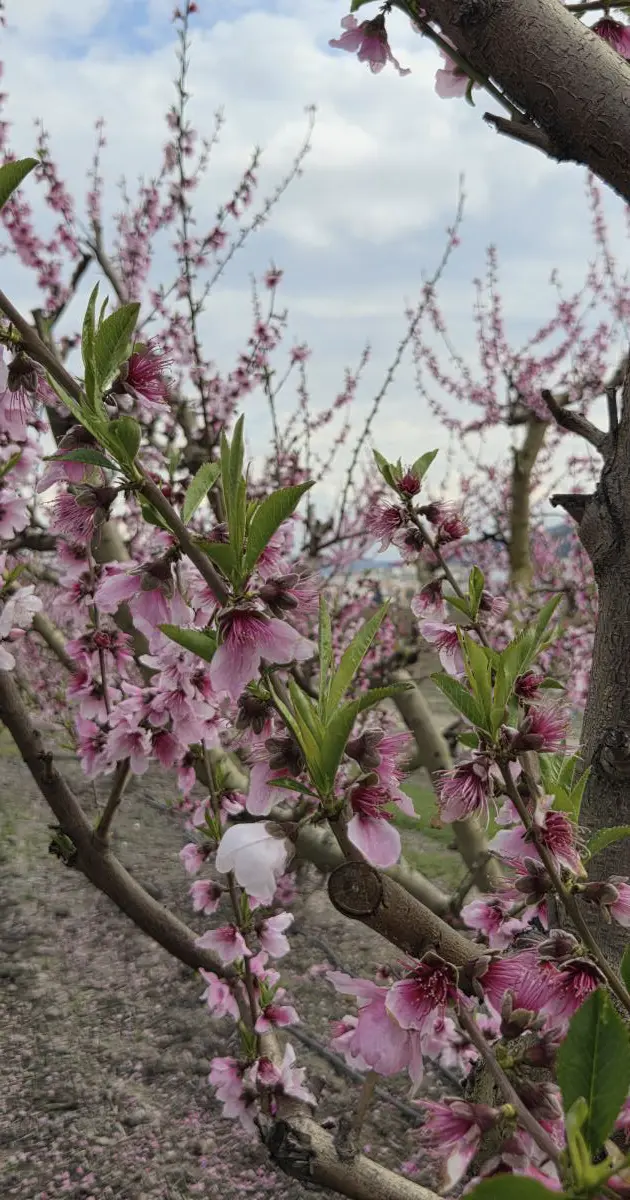
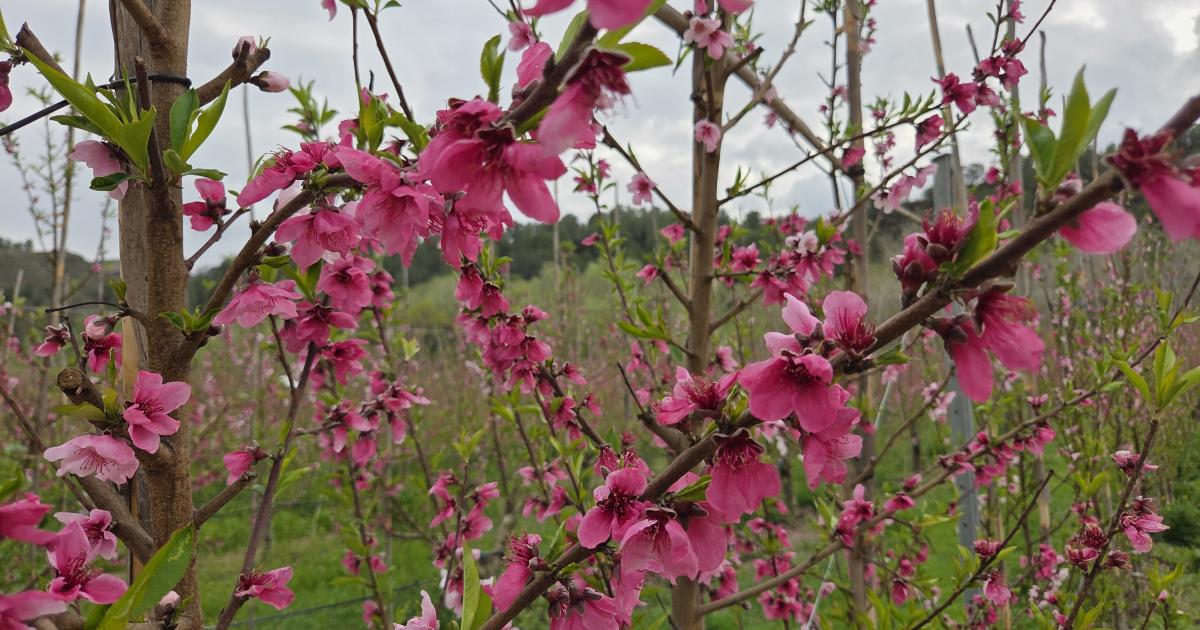
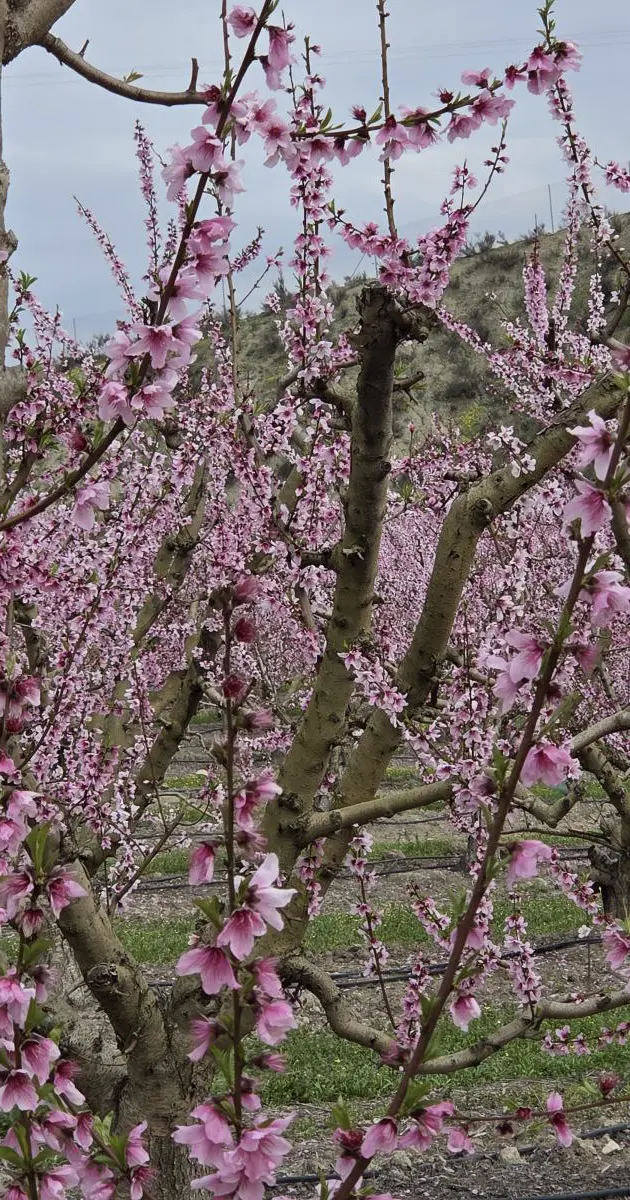
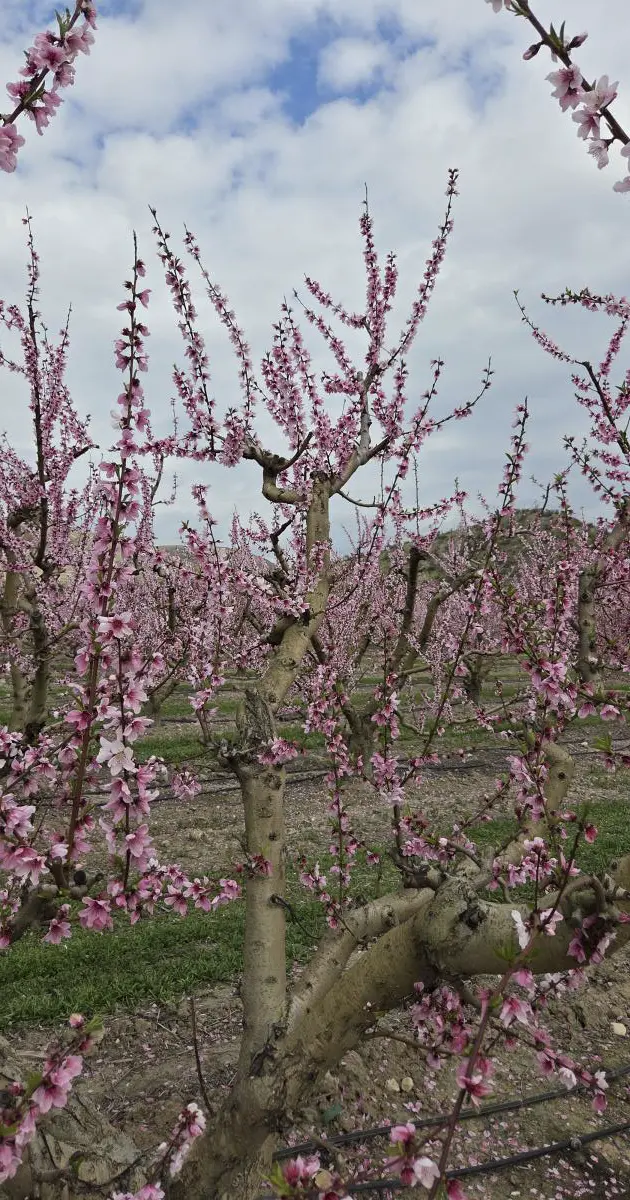
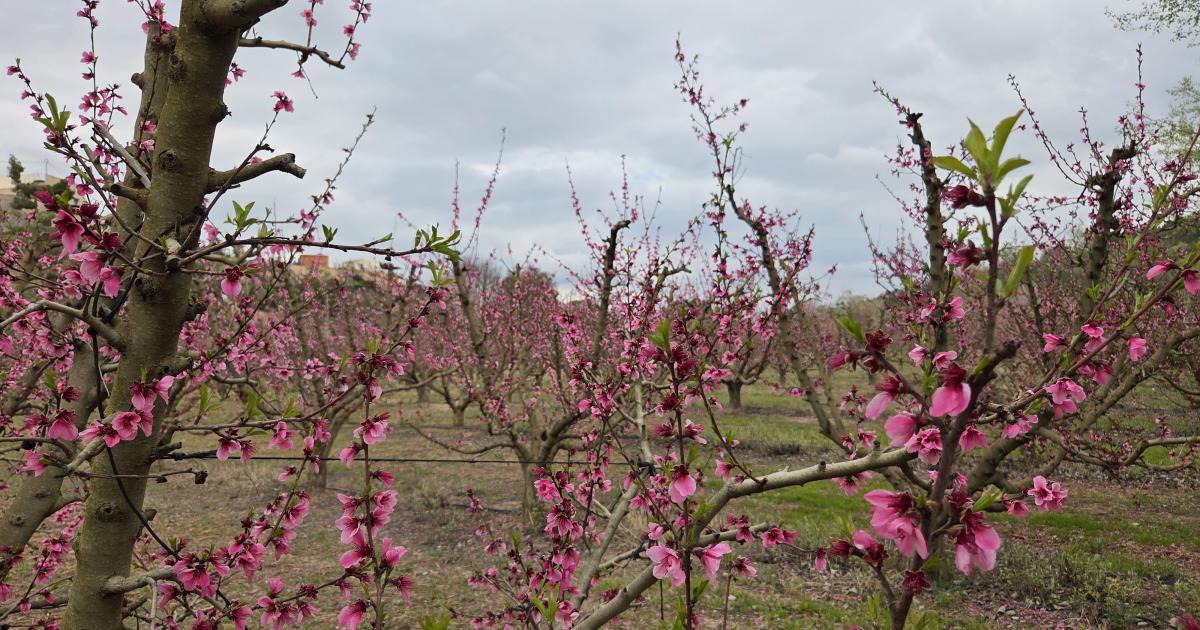
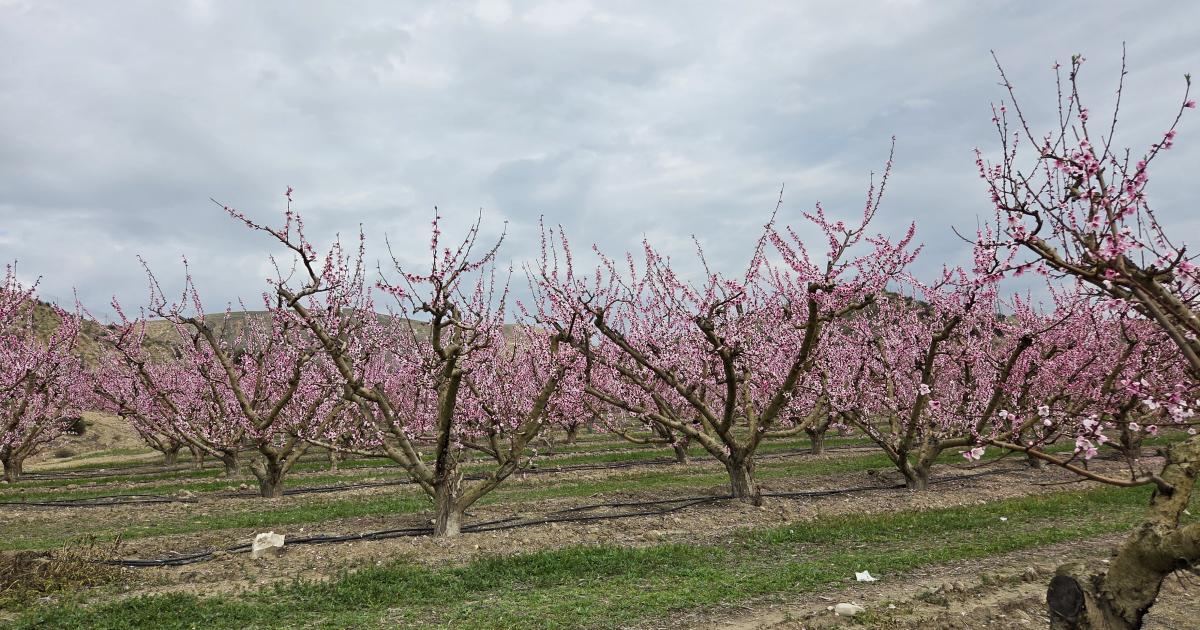
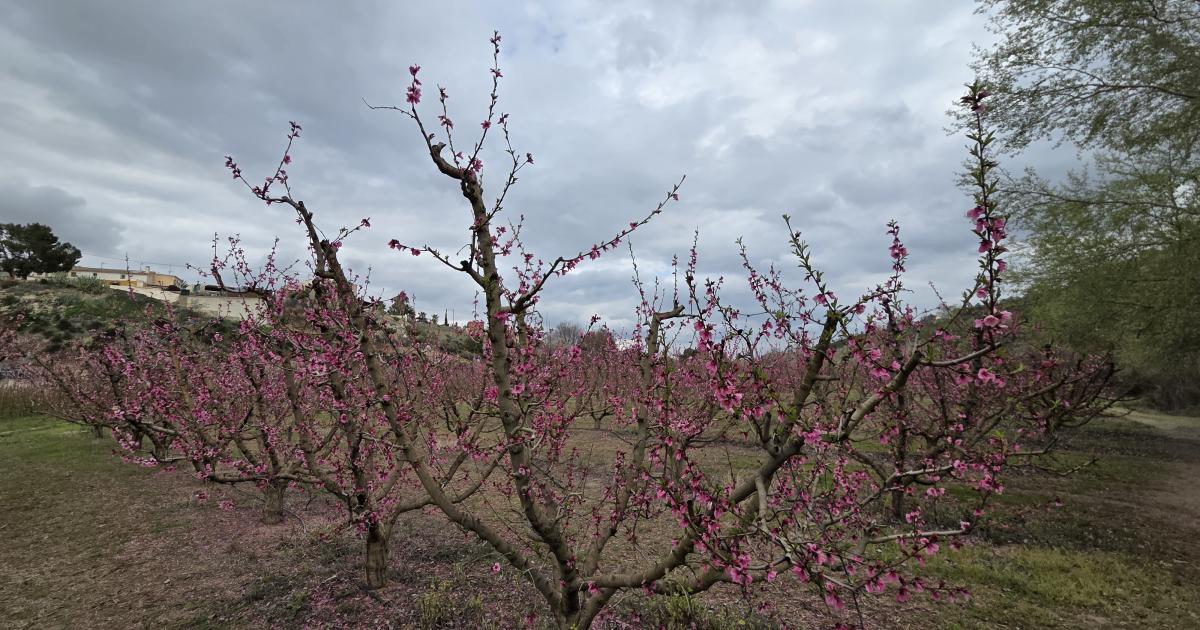
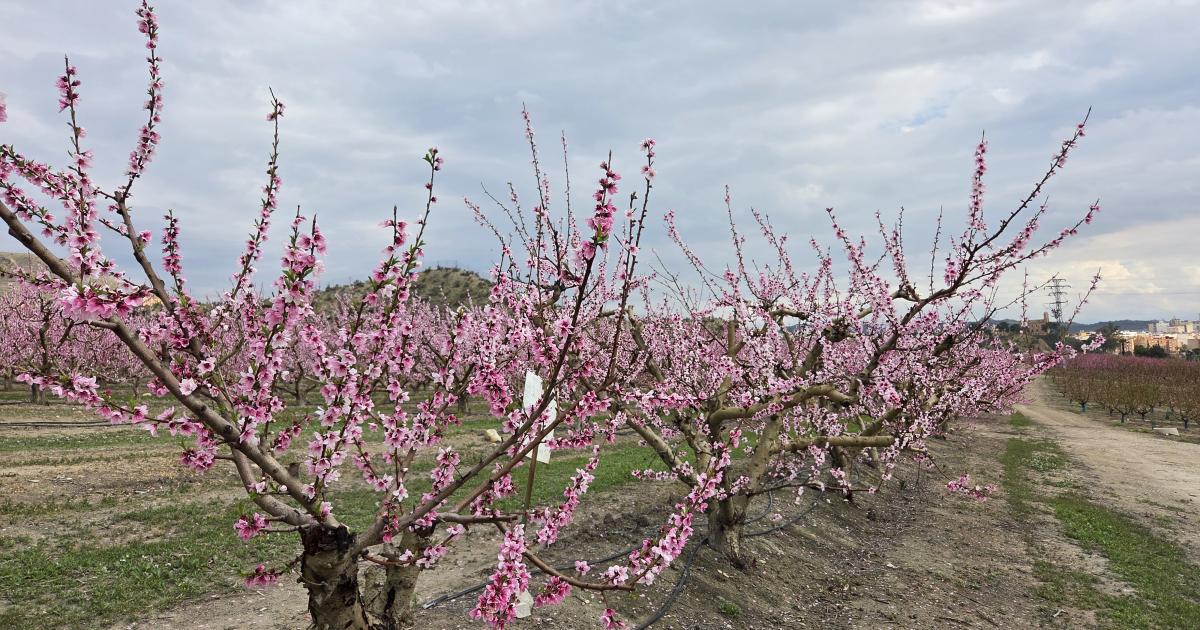
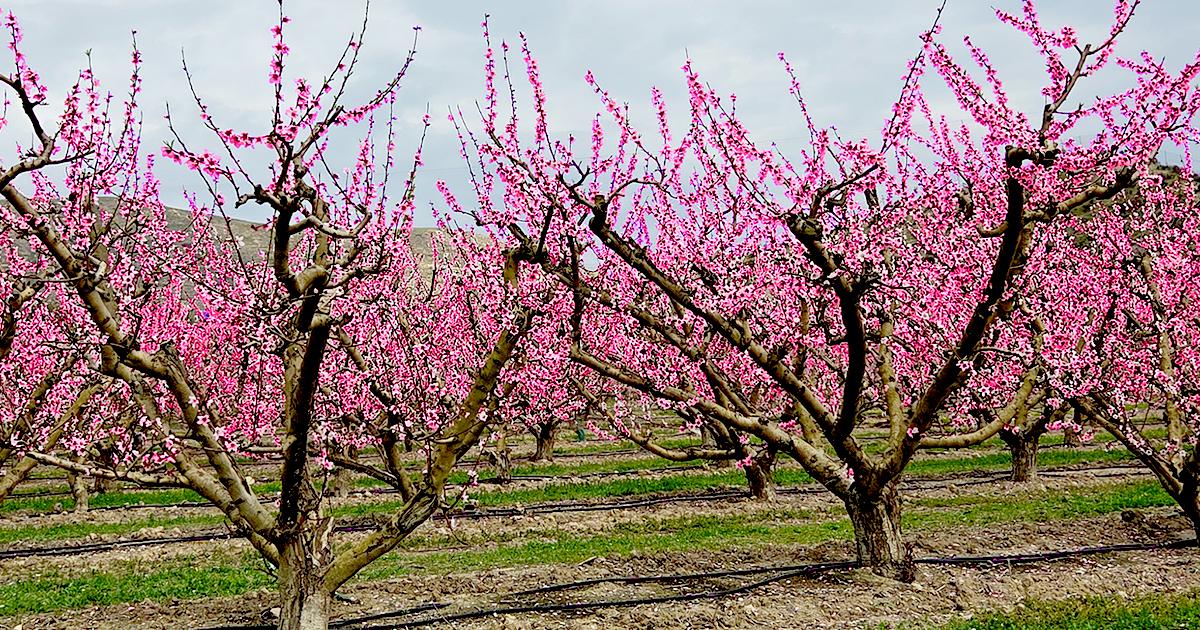
These are no ordinary orchards. In the Cieza area, peaches are grown on more than 13,000 hectares. When spring arrives (usually from late February to mid-March), millions of trees bloom almost simultaneously. The effect? Seen from vantage points such as Mirador del Muro or La Parra, the landscape resembles a fluffy, pink carpet stretched at the foot of the mountains.
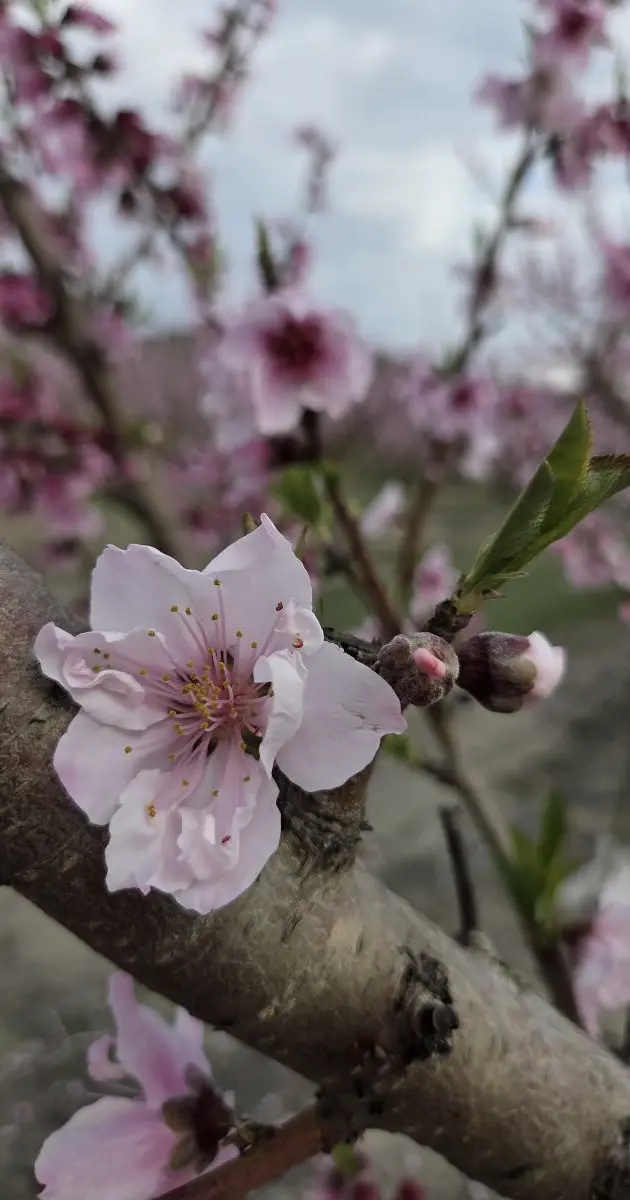
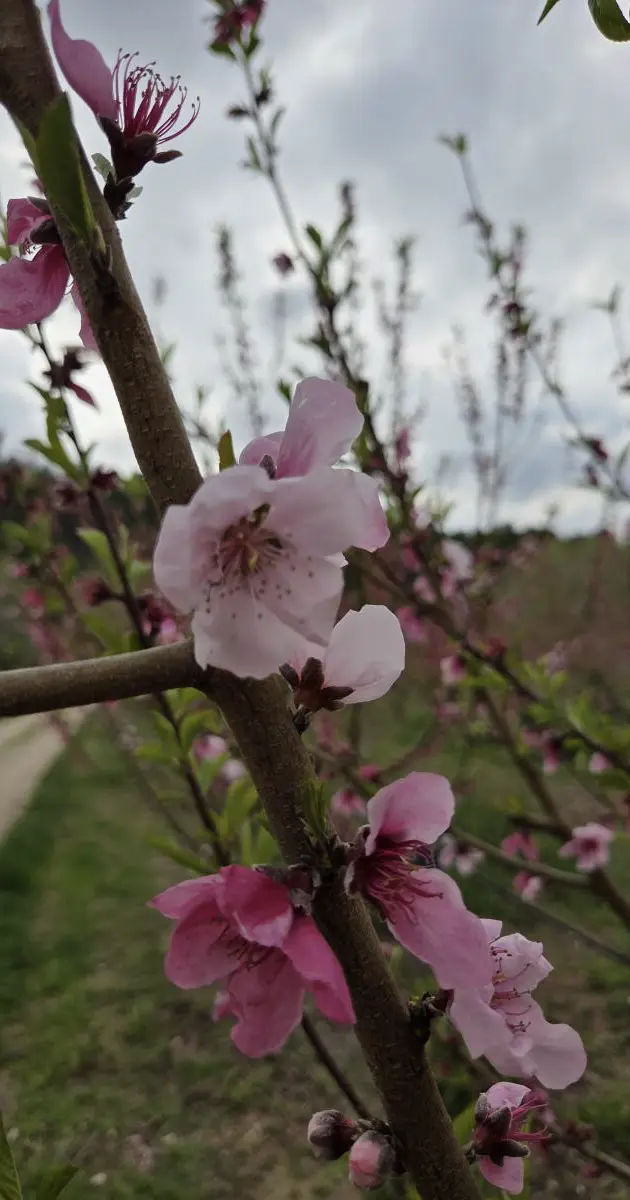
This phenomenon, known as "La Floración de Cieza," has become a brand in its own right. The intensity of the colors - from pale pink to deep fuchsia - depends on the variety of peaches (including the famous Melocotón de Cieza), and the fragrance wafting through the air is simply insane.
History hidden in the seed: From the 3rd century to today
Although today's scale of cultivation is the result of modern agriculture, Cieza's fruit-growing tradition has ancient roots. Archaeologists in the Sima de la Serretta cave found charred peach seeds dating to the 3rd century AD. (Roman times). This proves that the peach has accompanied the region for nearly two thousand years.
The Sima de la Serretta cave itself, by the way, is another reason to visit the site. It is located in the spectacular Almadenes Canyon and hides not only Roman remains, but also prehistoric cave paintings listed by UNESCO.
Not only flowers - what to do in Cieza?
An article for Poles would not be complete without specific tips. Cieza is not only a "spring mail", but also an adventure:
- Rafting the Segura River: For those who enjoy adrenaline, rafting through the Almadenes Canyon in pontoons is an absolute must-do. The river winds between vertical rock walls, offering views inaccessible from a car.
- Medina Siyâsa: Ruins of an Arab town from the 11th-13th centuries that provide a glimpse of what life was like in the region before the Reconquista. The Siyâsa Museum in the center of town has amazing reconstructions of the interiors of houses from that period.
- Gastronomy: After a walk among the flowers, be sure to try the local tapas and, of course, the peaches themselves (in summer) or their preserves.
Travel Planning Tips:
- When to go The peak of flowering is usually in March. It's worth keeping track of the official Floración de Cieza website, as the dates depend on the weather that year.
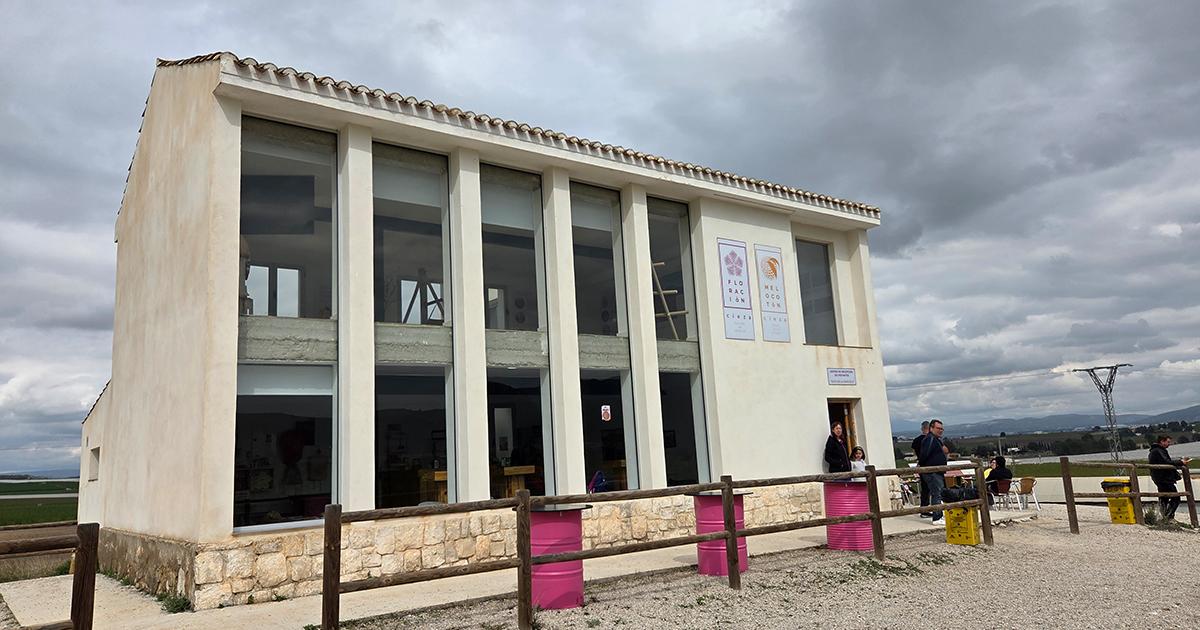
- How to visit You can take an organized "Floración Bus" tour or explore the orchards on your own by bicycle or on foot (special routes are designated, such as the Ruta de la Parra).
- Who's it for For photographers, families with children and anyone who wants to get away from the hustle and bustle of seaside resorts.
Cieza is proof that the Murcian "huerta" (orchard) is not only agriculture, but also the most beautiful art that nature can create in cooperation with man. If you're on the Costa Blanca in spring, you can't miss this pink spectacle!