Twelve Lenten Treasures: the Symbolism and Taste of Christmas Traditions
Christmas Eve is a moment of suspended time and deep reflection in Poland. For this one evening, regardless of latitude, the smell of dried plums, marjoram and forest mushrooms creeps into our homes, awakening the memory of Poland. The Christmas Eve supper is the culmination of the year, played out on its own symbolic stage - a table set with Twelve Lenten dishes.
Symbolism that connects
The custom of serving Twelve is one of the most distinctive features of the Polish Christmas Eve. Its origins are both religious and folk:
- the 12 Apostles: each dish symbolically refers to their presence and mission,
- 12 Months of the Year: each dish is supposed to bring good luck and abundance for the next month.
All dishes must be Lenten, meaning no meat or animal fats. This is a symbolic nod to Advent tranquility and spiritual purity.
Canon that soothes the memory
Although every family has its own habits, there is a canon of dishes that almost everywhere evoke the same soothing shiver of memory:
- Soups: red borscht with ravioli or mushroom soup.
- Fish: fried carp or carp in jelly.
- Appetizers and side dishes: herring and cabbage with peas.
- Flour dishes: cabbage and mushroom dumplings.
- Desserts: kutia or poppy seed noodles and dried fruit compote.
These traditional dishes are not just a list of ingredients, they are the essence of Polish warmth. It is the sour-sweet balance of borscht with the tenderness of ravioli, it is the unique moist sweetness of kutia, broken by the bitterness of poppy seeds. These flavors, created over generations, constitute our culinary alphabet of longing, which reads with redoubled force in the Diaspora.
Culinary journey: regional flavors worth saving
However, it is worth remembering that Poland is also made up of local flavors - rarely found in emigration today, but worth saving.
- Culinary exotica: Hempiota and Cranberry,
- Konopiotka: Formerly popular in Podkarpacie and Lublin regions, cooked from hemp seeds. It symbolizes strength, simplicity and health.
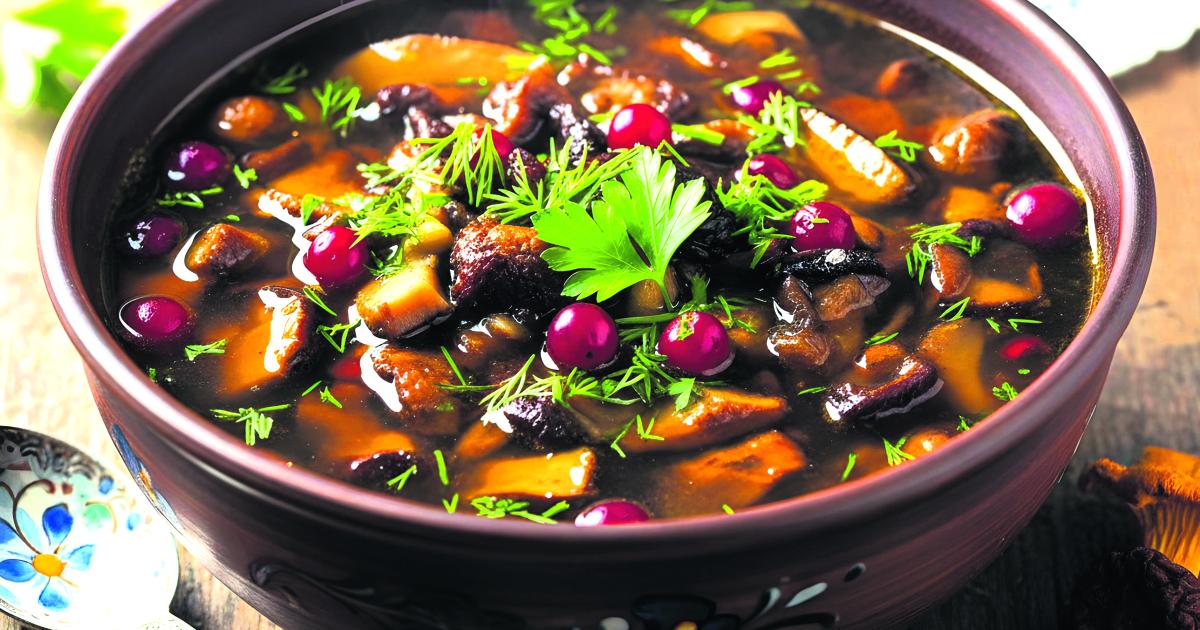
- Mushroom soup with cranberries: a Kashubian variation of the classic, in which the sour note of cranberries highlights the deep flavor of forest mushrooms.
Regional secrets: Lenten alternative to carp
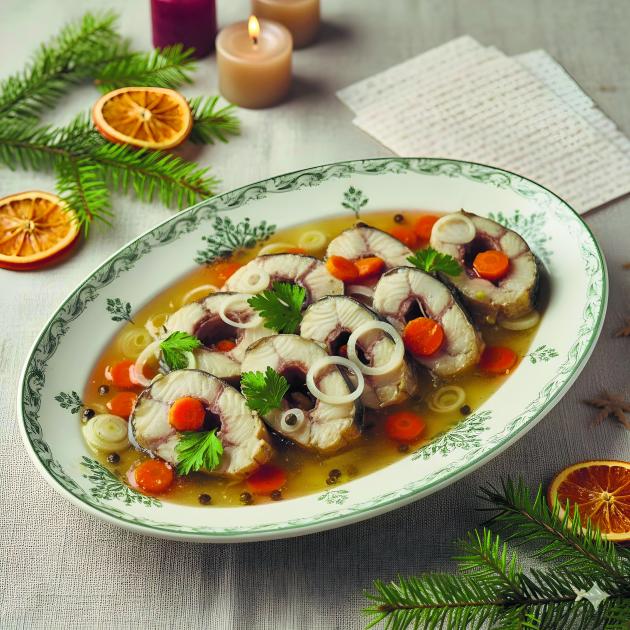
- Jelly eel: Common in Kashubia and Pomerania, considered a rarity.
- Baked burbot: Traditional in Kuyavia, a fastidious river fish often more available than carp.
- Borscht side dishes: Borscht patties.
In the Borderlands, small pasties with beet and horseradish stuffing are served with borscht. This is a sharp, distinctive alternative to the classic ravioli, bringing a new, distinctive texture to the table.
[#{{}}]
Special Recipe for Polonia: Polish style cod in vegetable and tomato sauce
(Inspired by the classic Greek Fish)
This is one of the easiest Christmas Eve dishes to prepare in Spain, fitting perfectly with the idea of the Twelve. The ingredients are available at any supermarket, and the taste remains thoroughly traditional. It perfectly blends Polish traditional flavor with Spanish everyday life and local products.
Ingredients:
- Fish (of your choice): 1 kg of fillet (e.g., cod - bacalao, hake - merluza, dorado).
- Vegetables: 3 large carrots, 1 onion, 1 red bell pepper, celery (optional), 2 cloves of garlic.
- Sauce: 400 g of tomato puree (passata / tomate triturado), olive oil, bay leaf, allspice, salt, pepper, pinch of sugar.
Preparation:
- Fish: Cut the fillet into portions, lightly salt. Fry in a small amount of olive oil or steam. Set aside to cool.
- Vegetables: Coarsely grate the carrots. Cut onion, bell bell pepper and celery into strips or cubes. Chop the garlic.
- Sauce: Fry onions in oil, then add the remaining vegetables. Simmer covered until they soften. Add tomato puree, bay leaf, allspice, salt, pepper and a little sugar. Cook for another 15-20 minutes until the flavors combine.
- Combination: In an ovenproof dish or glass dish, arrange a layer of vegetable sauce, then fish and cover with the rest of the sauce.
- Serving: Set aside in the refrigerator for a minimum of several hours. It tastes best the next day, when the flavors have had time to "meld".