December in Sun and Fiestas: A Christmas Calendar That Changes the Spanish Rhythm
December in Spain is a month whose wealth of traditions goes far beyond its association solely with Christmas. The official holiday calendar, interspersed with public events, provides Spaniards with a uniquely festive and celebratory atmosphere from the very beginning of the month.
The festive atmosphere is often heralded as early as the end of November, when many cities hold spectacular Christmas lighting inaugurations (often combined with concerts and city parties), signaling the start of the shopping and celebratory season.
However, the month takes on an official, celebratory character thanks to two key public holidays. on December 6, Spain celebrates Constitution Day (Día de la Constitución), commemorating the nation's approval of the current constitution in 1978. Just two days later, on December 8, is the Feast of the Immaculate Conception of the Blessed Virgin Mary (Inmaculada Concepción). This is one of the most important holidays on the Catholic calendar, established as a national holiday and celebrated throughout the country with great pomp.
As the first festive touch passes, attention naturally shifts to Navidad (Christmas) celebrations, which focus on family gatherings and traditional meals.
december 24 marks Christmas Eve (Nochebuena). Although not officially a public holiday, it is the most important family evening of the year, during which a festive dinner is held, often ending with attendance at the Midnight Mass (Misa del Gallo). The following day, December 25, Spain celebrates Christmas (Navidad), which is a legal holiday dedicated to further feasting and the exchange of small gifts. December 26, on the other hand, is Saint Stephen's Day (San Esteban). This is a regional holiday that is a public holiday only in certain autonomous communities, the best known of which are Catalonia and the Balearic Islands.
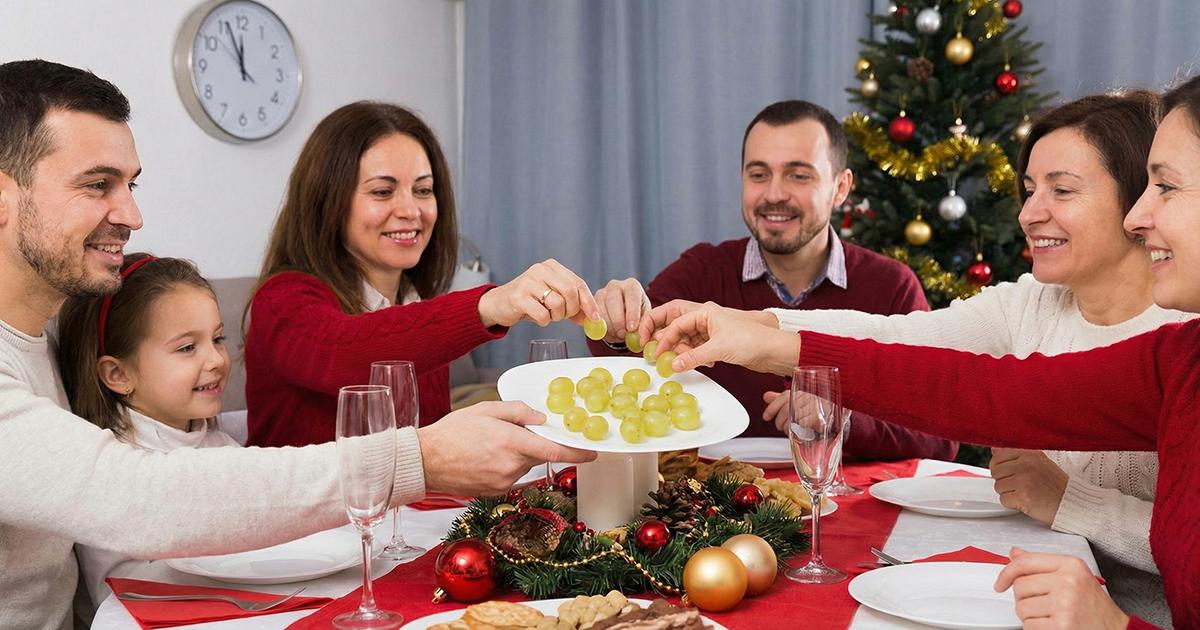
The month closes with a lavish New Year's Eve custom that is globally recognized but deeply rooted in Spanish culture. december 31 is New Year's Eve (Nochevieja). It's worth noting that it's not a legal holiday, but in the evening a grand fiesta begins, culminating in the tradition of eating twelve grapes (las doce uvas) to the beat of the clock at midnight. Of course, January 1 (New Year's Day, Año Nuevo) is already a legal holiday, giving you time to relax after a night of partying.
How do Spaniards Connect this Christmas?
This accumulation of holidays on the calendar, especially the proximity of Constitution Day (December 6) and the Feast of the Immaculate Conception of the Blessed Virgin Mary (December 8), is conducive to the phenomenon known as "Puente" (Bridge).
It is the Puente, the possibility of public vacations with just a day or two off, that encourages Spaniards to take extended time off. Like in Poland, this "long weekend" is a time for mass travel, shopping and full immersion in the joyous pre-Christmas atmosphere, making Spain the ideal place to celebrate the winter season.