Spain as Europe's automotive giant
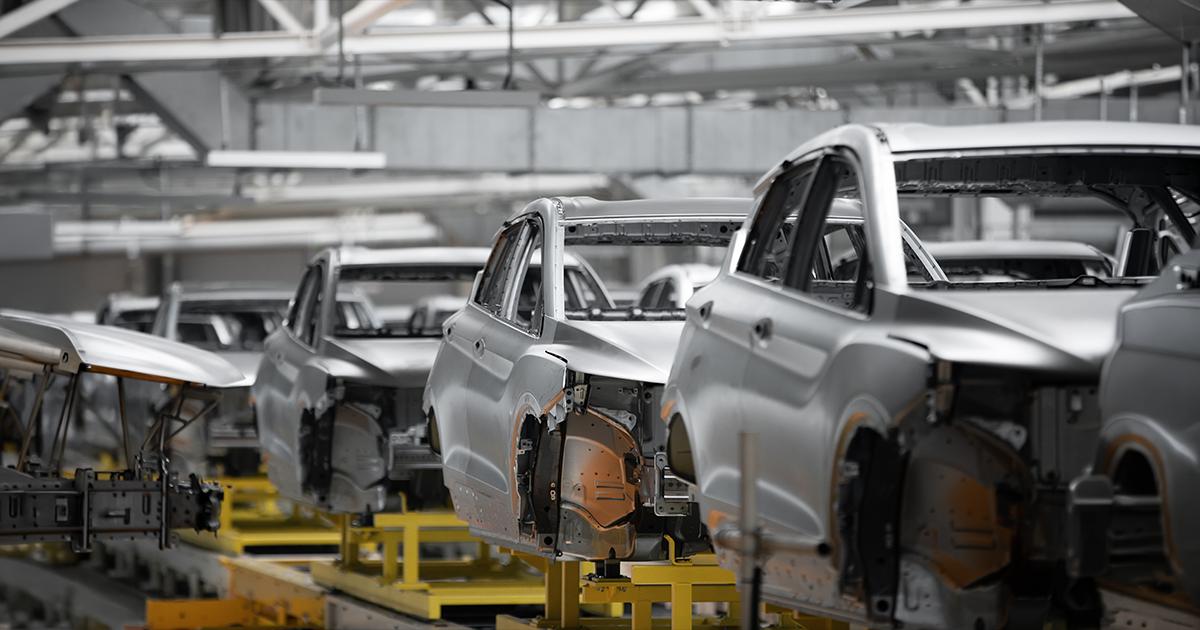
Spain has remained one of Europe's leading car manufacturers for years, second only to Germany. The country has 17 factories owned by 9 multinationals and about 1,000 component manufacturers. The automotive sector generates nearly 300,000 direct jobs and more than 2 million related positions, accounting for as much as 12% of Spain's manufacturing industry.
Major production facilities
Spain is home to the factories of many well-known automakers, such as:
- Ford in Valencia
- SEAT (part of the Volkswagen Group) in Barcelona
- Renault in Valladolid and Palencia
- Peugeot-Citroën in Vigo and Zaragoza
- Opel in Zaragoza
- Mercedes-Benz in Alava
- Nissan in Ávila and Barcelona
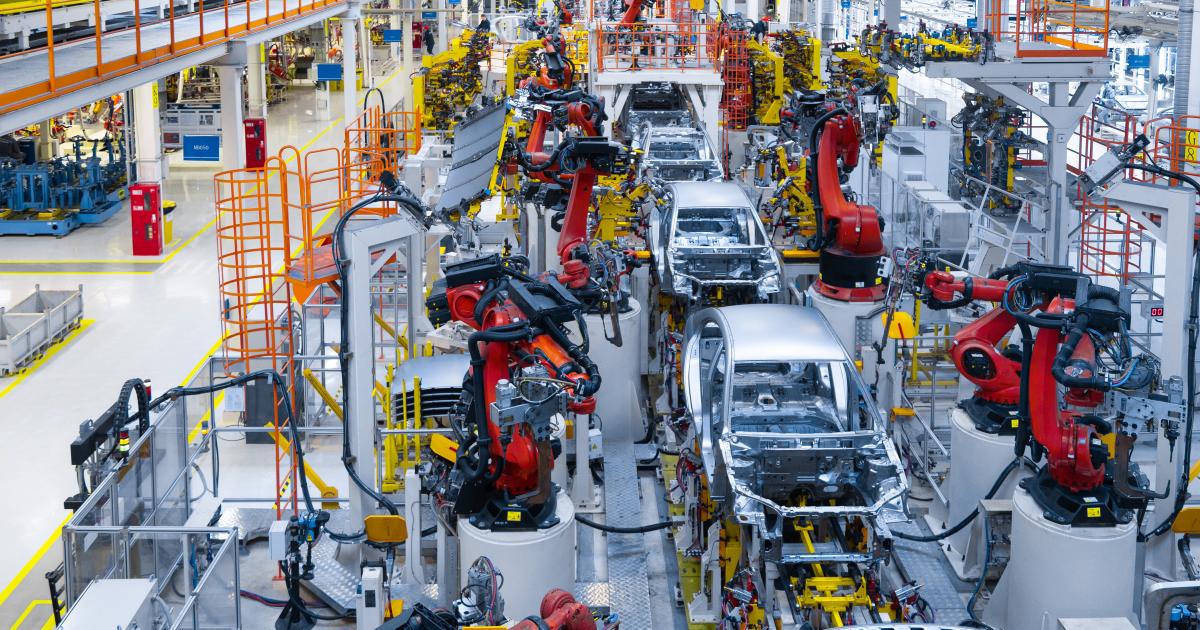
The factories produce both internal combustion, hybrid and electric models, and Spain's automotive industry is one of the most automated in Europe, with an average of 980 robots per 10,000 employees there.
New investments and the future of the sector
Spain's automotive sector is expanding heavily into electromobility. One of the largest projects is the construction of a gigafactory for electric car batteries by Stellantis and Chinese company CATL. The plant, to be built by 2026, will reach a maximum capacity of 50 GWh per year.
In addition, Chinese conglomerate Chery has announced the opening of its first factory in Spain. This will be their first European facility producing cars under the Omoda and Jaecoo brands.
Challenges for the industry
Despite its rapid growth, Spain's automotive industry faces several challenges:
- Transformation to electromobility - the need to adapt factories to produce electric and hybrid vehicles.
- Competition from Asia - the growing presence of Chinese manufacturers in the European market.
- Labor and raw material costs - Spain remains competitive in terms of production costs, but global raw material prices are affecting manufacturing costs.
Spain remains one of the most important car manufacturing centers in Europe. The country is attracting investment from both European and Asian automotive companies, which see it as an ideal base for expansion into EU markets. At the same time, the challenges of electrification and global competition will require further investment in innovation and automation of production processes.