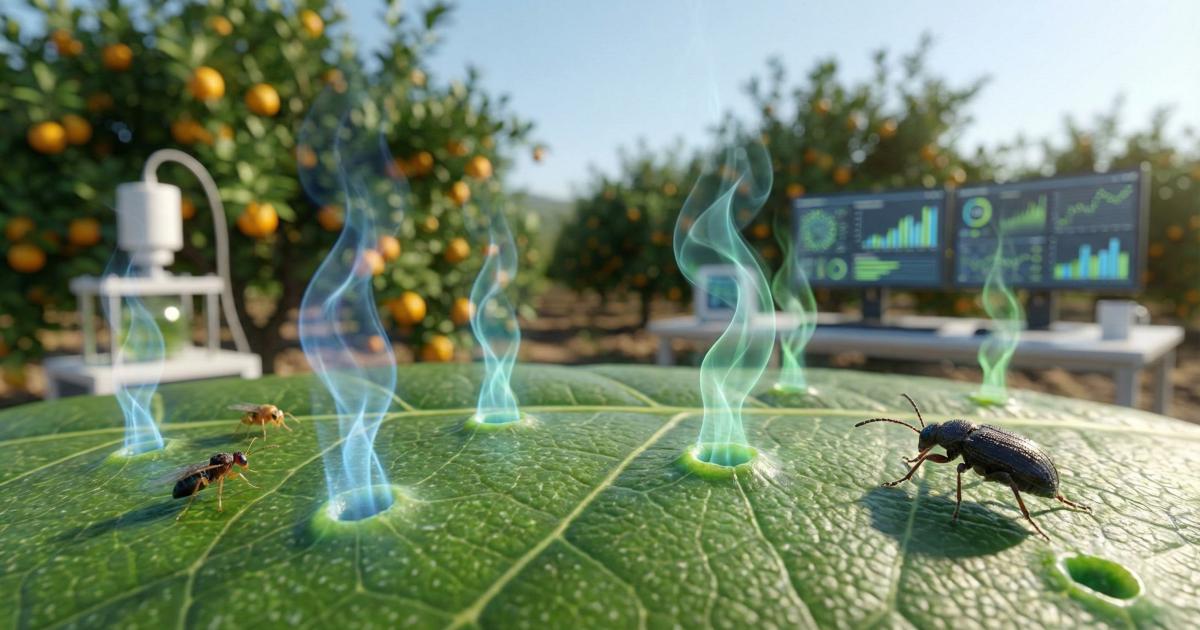
The invisible language of citrus: How science activates trees' natural defenses to fight pests
With globalization of trade and advancing climate change, European citrus crops are facing unprecedented challenges. New pests and diseases threaten production stability, and traditional chemical methods are becoming insufficient. The answer to these threats may lie in the "invisible language" of the plants themselves. Dr. Meritxell Pérez-Hedo of the Institute of Plant Molecular and Cellular Biology (IBMCP-CSIC) is investigating how to use natural chemical signals to "arm" trees against threats before they even arrive.
The citrus sector is at a turning point. Six of the eight pests considered the most economically, socially and environmentally dangerous by the European Commission are already present in the EU or the Mediterranean. The seventh threat - the devastating bacterium that causes the Huanglongbing (HLB, or citrus greening) disease - has not yet reached crops, but its vectors (transmitting insects) are already circulating in Spain and Portugal. So the risk is real and growing every year.
In this difficult scenario, Dr. Meritxell Pérez-Hedo, an expert in applied entomology, proposes a paradigm shift: instead of curing, plants should be taught to defend themselves more effectively.
Chemical plant talk
The key to the new strategy is understanding how plants communicate with the world. Dr. Pérez-Hedo refers to this as the "invisible language."
When I talk about invisible language, I mean the ability of plants to communicate among themselves and with insects in their surroundings by means of chemicals, so-called volatile organic compounds, which they release into the air, the researcher explained.
The mechanism is fascinating and highly specialized. When a plant is attacked by a pest, within minutes it begins to emit a specific mixture of odors. This is not a random process - the chemical composition of the "cry for help" depends on the type of damage, and often even on the specific species of insect (e.g., whether it is a biting or sap-sucking pest).
These chemical messages serve a triple function:
- Watch out for neighbors: Nearby plants receive the signal and activate their defense systems, preparing for an attack before the pest reaches them.
- Call Meals: The scent attracts the pest's natural enemies (predators and parasitoids), indicating to them the location of the prey.
- Deter the aggressor: The infestation itself may find such a plant less attractive or "dangerous" and move elsewhere.
Immune induction: Vaccine for the tree
A team from IBMCP-CSIC is working to put this knowledge into practice through a strategy called induction of defense. It involves artificially stimulating the plant's natural immune system using signals it recognizes as a warning.
In citrus studies, exposure to certain volatile compounds, such as propane (Z)-3-hexenyl, has been shown to act as a test alarm. The tree, receiving this signal, increases the production of defense compounds and strengthens its antioxidant systems.
Instead of killing the pest with an insecticide, we are helping the plant become less attractive or more toxic to the insect, explains Dr. Pérez-Hedo.
The results are promising. In the study, a reduction in pest impact of up to 60% was observed in plants that had been properly "prepared" beforehand. What's more, this strategy fits perfectly with EU requirements for pesticide reduction, prevents the development of resistance in pests and is safe for beneficial insects.
Climate resilience and the future of agriculture
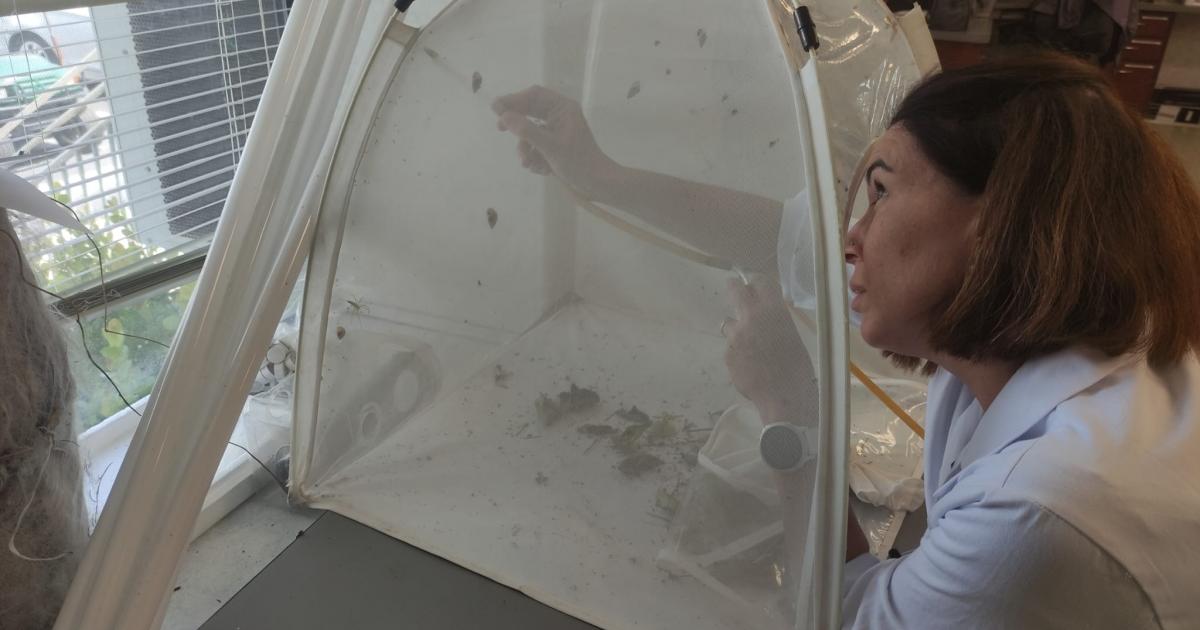
The Spanish researchers' research goes beyond fighting insects. In the context of climate change - hotter summers and droughts - the key point is that the induction of defenses strengthens the overall health of the tree.
This method induces a state of so-called. priming (a state of readiness). A plant exposed to the right signals reacts faster and more effectively not only to pests, but also to water or oxidative stress. This is particularly important in the context of the threat of HLB, which causes chronic, severe stress in trees.
When will the technology hit the orchards?
Although the technology sounds futuristic, it is already in advanced testing. Patents exist, and field trials using volatile release diffusers are underway in Spain and other countries.
However, for the solution to become widespread, close cooperation between science and industry (development of stable formulators, such as nanoemulsions) and farmer education are needed. The new methods are more subtle than chemical sprays - they require knowledge and confidence in biotechnology.
Dr. Pérez-Hedo remains optimistic:
The future of crop protection is not about revisiting the past or relying solely on chemistry, but a combination of tools: biological control, soil care and strategies that activate the tree's own defenses. Citrus trees have a sophisticated immune system. If we learn to listen to them, we will gain healthier and more stable plantations.
For the European fruit industry, facing increasing regulatory and climate pressures, this "invisible language" may prove to be the loudest argument in the fight for survival.