Polonaise, Mazur and Carnival: Polish New Year's Balls and Traditions
After caroling - it's time for the ball!
After Christmas Eve's focus comes a time of joy and elegance. For centuries, Poles have begun the New Year with a dance - the stately Polonaise, the exuberant Mazur or the joyful Oberek. Carnival is not only fun, but also a living lesson in Polish culture, where every step carries history and national pride. For Polonia, it is also an opportunity to show that tradition does not grow old - it only changes the dance floor.
Polonaise - the dance of kings and ambassador of diplomacy
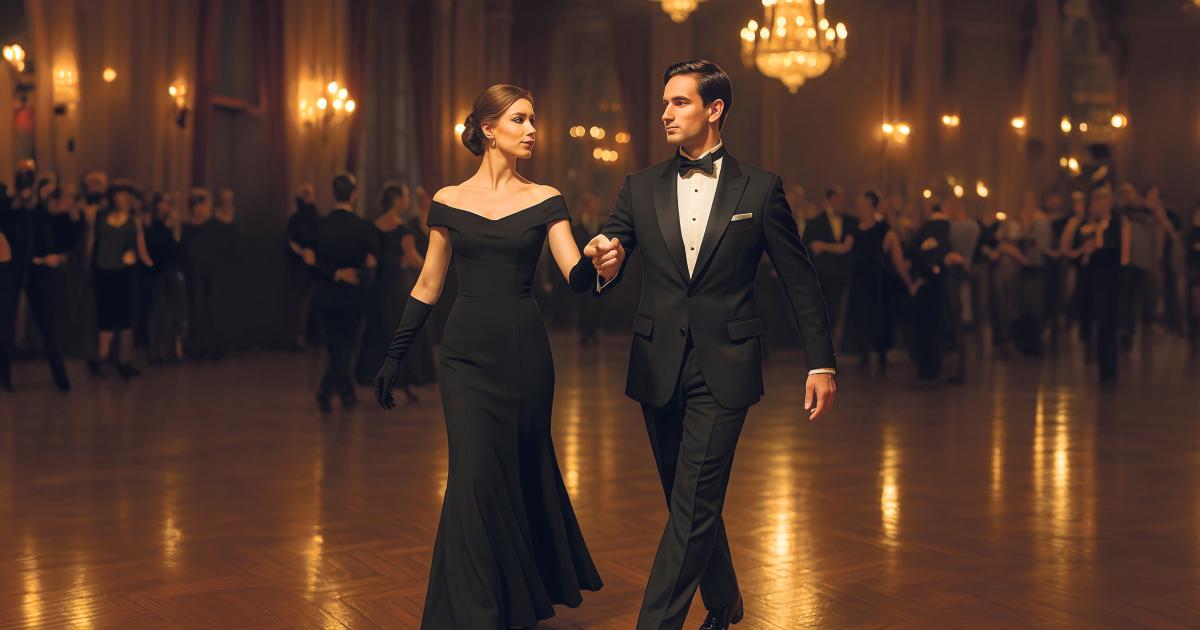
Almost every Polish ball, especially the New Year's Eve one, must begin with the Polonaise. This majestic dance, formerly called "chodzony," is much more than an element of choreography - it is a symbol of Polish dignity and national identity.
Historical role: Since the 18th century, the Polonaise has opened ceremonies at royal courts. Its slow rhythm and complex figures symbolized the hierarchy, order and elegance of the Republic.
Emigration role: At Polonia balls, the Polonaise serves as a link to the homeland. It is a solemn moment, often initiated by the older generation, to whom participation is an honor and a declaration of belonging. Leading the Polonaise is sometimes entrusted to distinguished guests, which emphasizes the community's stature and its respect for tradition.
lows of the dance floor: Mazur, Kujawiak and Oberek
While the Polonaise is the dance anthem, the rest of the carnival floor belongs to the more dynamic dances that are the essence of fun:
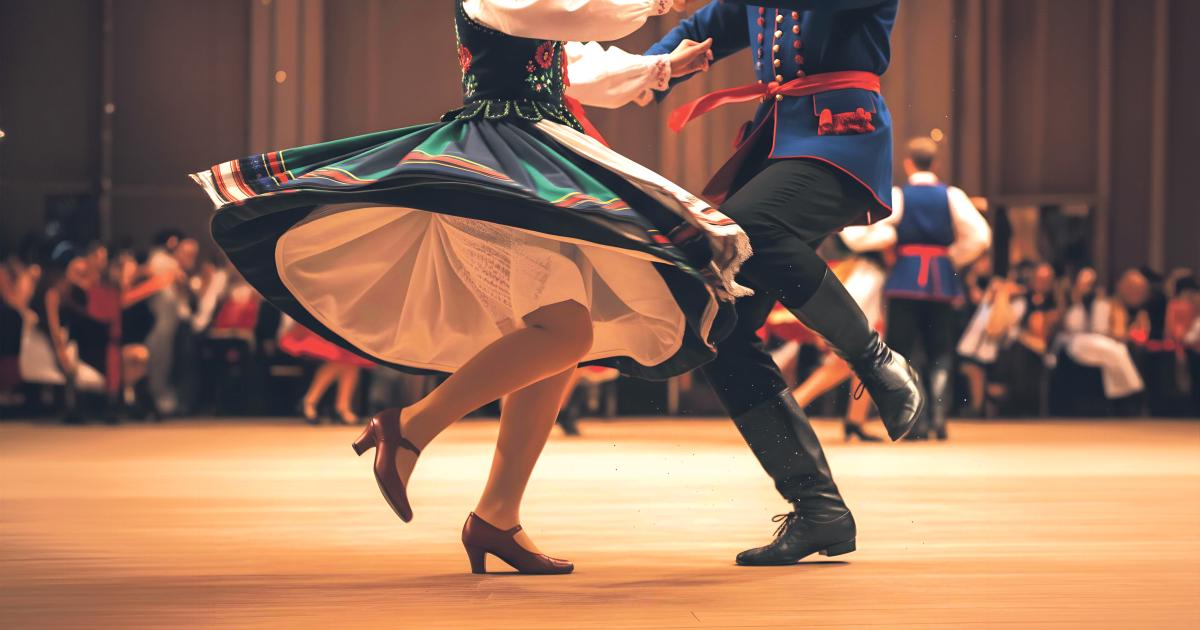
- Mazur - fast,full of verve and improvisation. It is characterized by military elements - bows, jumps, and displays of gentlemen. It is a dance of courage and energy.
- Kujawiak and Oberek - Kujawiak is lyrical and graceful, while Oberek is the fastest of the Polish dances, symbolizing joy and spontaneity.
- Communing with these dances at Polish balls allows the elderly to return to their youth, and the young to learn elegance and respect for Polish musical and social culture.
Before the fireworks went off - New Year's Eve in ages past
Although today it's hard to imagine the New Year without a bang of firecrackers and a lit-up sky, for most of Polish history the entrance into the new year looked very different. Instead of fireworks - singing, dancing and symbolic gestures.
- The 19th century - a time of courts and salons: In magnate residences and noble manors, the turn of the year was celebrated with class. The evening began with a festive dinner, followed by a ball. The main "shot" of midnight was not fireworks, but... the sound of church bells and the first Polonaise dance to start the year.
- Symbolic noise instead of firecrackers: Peasants believed that noise scared away evil spirits. Instead of fireworks, they used knockers, hitting pots, cracking whips and ringing cow bells. Only later did the custom evolve into fireworks and firecrackers.
- New Year's divination: In homes, divination was practiced - the host scattered grain at the door to ensure fertility, and the maiden listened to the barking of dogs to "know" from which side her future husband would come. New Year's Eve was a combination of fun and magic.
- Great balls in the Second Republic: In interwar Poland, New Year's Eve balls were held in theaters, hotels and literary salons. Midnight was struck with champagne, the national anthem was treated as the dance equivalent of fanfare, and the Polonaise still opened the first dance of the year.
All of this shows that the deepest tradition of New Year's Eve and Carnival in Poland is not fireworks - but dance, fellowship and rhythm, which carries the memory of the culture from generation to generation.
Etiquette and fashion - how people used to enjoy themselves at Polish balls in the past
Contemporary balls organized by Polonia often refer to old models of nobility and pre-war elegance.
- Attire: the classics apply - a long dress for the lady, a tuxedo or suit for the gentleman. Attention to detail was and remains an expression of respect for tradition and the hosts.
- At midnight: although in many countries grapes or fireworks reign supreme, Polish balls end with a common toast. It's a beautiful combination of thoughtfulness and joy.
- Auctions and raffles: some balls are charitable - they support Polish schools, parishes or cultural centers, so that the dance also becomes a gesture of solidarity.
Let's dance - because tradition lives in the rhythm of the heart
New Year's Eve and Carnival balls are more than just an opportunity for Polonia to have fun. They are an elegant and joyful way to manifest love for Polish culture. The Polonaise, Mazur and Kujawiak are not just dance routines - they are rituals of remembrance in which the echoes of history and community still resonate.