Polish Light in the Sun of Spain: How Polonia Nurtures Christmas Eve
Christmas Eve, this one of the most important evenings in the Polish calendar, is more than just a dinner for Poles living abroad - it is a ritual of identity, an act of remembrance and a deep connection to their roots.
The challenges of everyday life in sunny Spain - a different culinary culture, climate and availability of ingredients - force the Polish diaspora to creatively adapt the tradition, but without losing its deep, spiritual meaning.
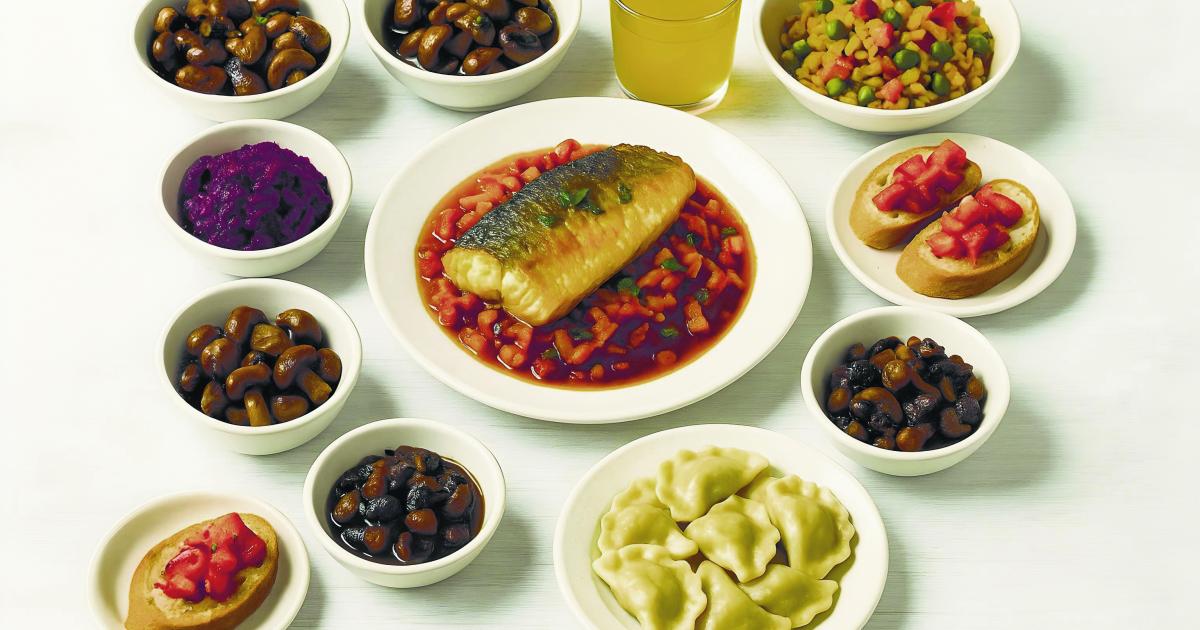
"Twelve" in Spanish Fashion
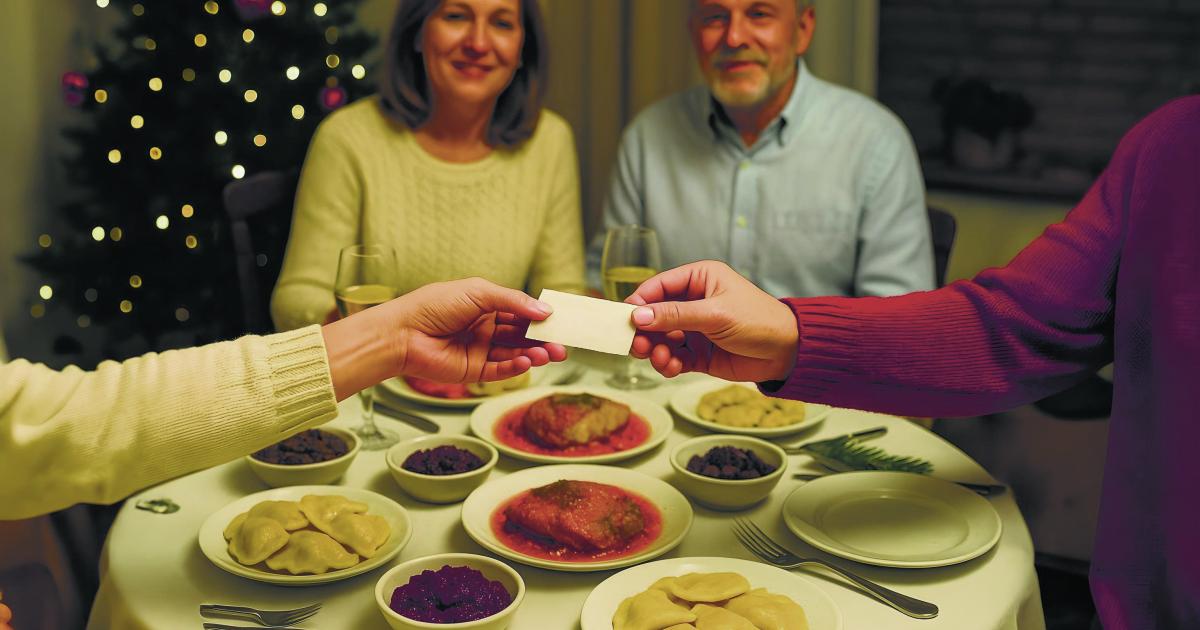
Keeping a full traditional Twelve Lenten dishes is often quite a logistical challenge for a Polish family in Spain. The biggest culinary problem turns out to be carp. This fish is not popular in Spanish cuisine and is often difficult to obtain. Instead of carp, Polonia ingeniously reaches for easily available, and equally fasting, Mediterranean fish: cod (bacalao) or dorado (dorada), often preparing the classic Polish Fish in Greek. In this way, it manages to preserve the symbolism of the fasting fish, a key element of the Twelve.
Another challenge is forest mushrooms - dried bay boletes or boletes, essential for Christmas Eve soup and ravioli. They are often expensive and hard to find in Spanish stores. Many families therefore rely on supplies brought from Poland or use local mushrooms creatively. The traditional Kompot de Susz in Spain's warm climate is sometimes a less obvious choice. It is often replaced by lighter, citrusy drinks, although the symbolism of dried fruit is still cultivated. Polish stores in Spain are also helpful, organizing special deliveries of carp, pierogi or poppy seeds before the holidays.
Polonia has successfully used these substitutions, with a focus on keeping the dinner lenten. Many families introduce local, Lenten dishes, such as vegetable tapas or vegan paella, to supplement the token number of twelve in the absence of traditional ingredients.
Ceremony: What Remains Inviolable
Although the menu is subject to modification, the core of Christmas Eve - its spiritual and ceremonial dimensions - remains the same and is especially cherished in the Diaspora. Sharing a wafer is an absolute staple. This, most often imported from Poland, symbol of mutual love and forgiveness, is an inalienable part of every Christmas Eve dinner, regardless of latitude.
Equally important is the symbolism. An empty covering for the wanderer is cherished, a gesture of hospitality and particularly appealing in the context of emigration. Also maintained is the tradition of looking out for the First Star (even in the warm Spanish sky), which gives the signal to begin the festive supper.

The Role of the Community and the Parish
A great role in preserving traditions is played by Polish parishes and cultural associations in Spain. They often organize Christmas Eve for the Lonely or communal wafer meetings. It is there, in a community environment, that it is easier to maintain a full ceremony and a full menu.
During this time, Polish Carols, rarely heard in a Spanish setting, resound in Polish churches and homes, building a spiritual bridge to the homeland. The adaptation of the Polish Christmas Eve in Spain is thus a beautiful example of the flexibility of tradition. It involves cleverly combining religious and cultural symbolism with local possibilities, so that every year, despite the distance, we can feel the authentic taste of the Polish Christmas.