Walatka, cress and searching for the bunny: Easter games and rituals worth knowing
Easter is not only a time spent at a lavishly set table. It is also a wealth of small rituals and games that have been building the joyful atmosphere of Polish holidays for generations. For the Polish community in Spain, these simple games are the best way to smuggle a piece of the Polish soul into Spanish daily life.
Walatka, or the egg duel
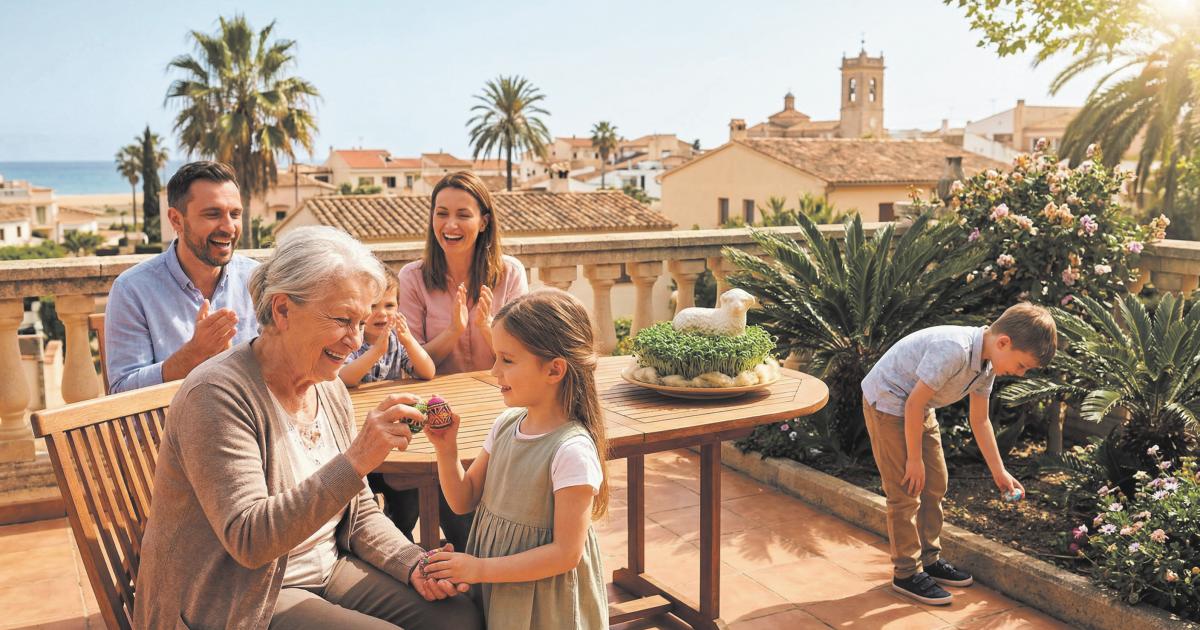
Do you know this game? Walatka (also known as knocking out) is one of the oldest Polish Easter games. The rules are childishly simple: two people hold hard-boiled eggs (preferably Easter eggs!) in their hands and hit them against each other. The winner is the one whose egg did not break. The winner takes the egg of the defeated one or simply earns the title of "Easter Champion." It's great fun at the Easter breakfast and involves all generations - from the youngest to seniors.
Cress - Polish "micro-garden" on the windowsill
In Spanish stores it is difficult to find ready-made cress, and yet for a Pole it is the smell of Easter! Growing cress is a beautiful symbol of waking life.
- Why it's worth it It is a treasure trove of vitamins (A, B, C, K), which we desperately need after winter.
- How do you make it in Spain? All you need is a plate, cotton wool or cotton pads and seeds (often available in organic food stores as lepidio or mastuerzo). Remember that under the Spanish sun, cress grows rapidly - it's a good idea to sow it about 5-6 days before Sunday. Putting a sugar lamb in it is the highlight of table decorating for many of us.
Searching for the hare: a field city game
Although the custom of searching for sweets and gifts hidden in the house or garden "from the rabbit" came to us from Germany, it has become a permanent part of the Polish landscape. In Spanish conditions, this tradition acquires a unique charm. Instead of looking for gifts at home, Polish families often move this game to parks or beaches. Hiding chocolate eggs among palm trees or in the sand is a joyful mix of both cultures that children will remember for years to come.
Why are these small traditions important?
Living far away from the country, it is these small gestures - the smell of cress on the window, tapping eggs or looking for trinkets together - that build the identity of the younger generation. They don't require much preparation, and they make Polish Easter alive, joyful and simply "their own" for our children, no matter what latitude they are celebrating.
Material published with the financial support of the Consulate General of the Republic of Poland in Barcelona