The cork oak: the unsung hero of the South
Although it rarely attracts the attention of tourists, the cork oak (Quercus suber) is a true treasure of Spanish nature and culture. It is found mainly in the southwestern part of the country—particularly in Andalusia and Extremadura—where it grows in distinctive, semi-natural forests known as dehesas. These unique landscapes combine wild nature with traditional livestock grazing, creating a harmonious model of human coexistence with nature.
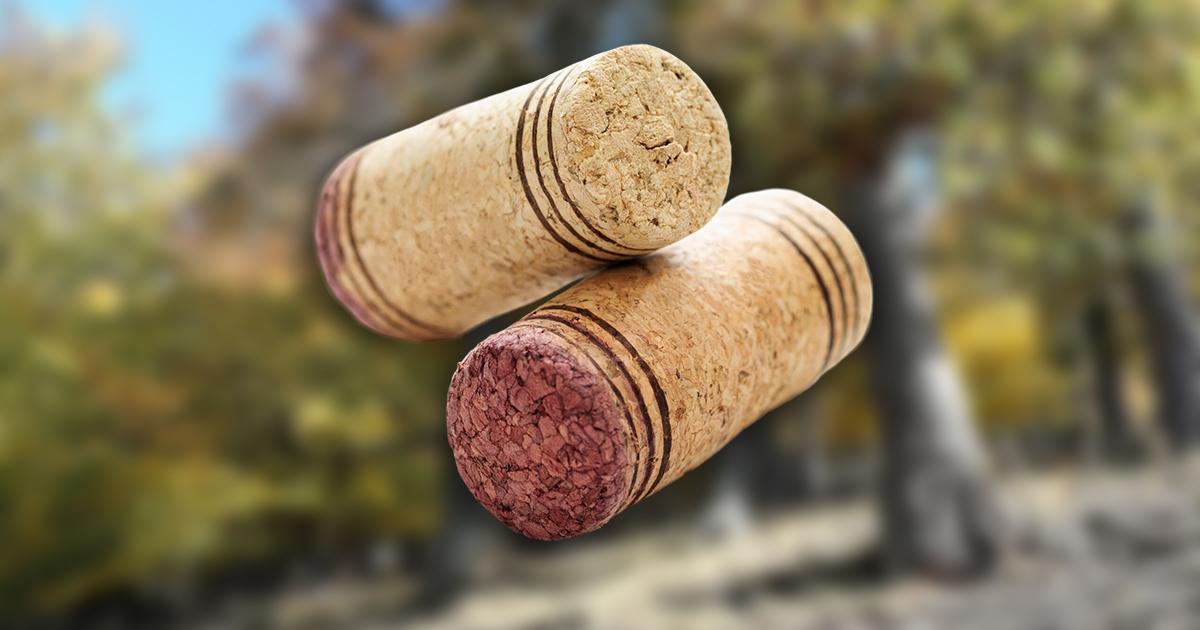
The cork oak is best known for the fact that its bark is used to make natural corks for wine bottles—a product that has been part of Mediterranean culture for centuries. Interestingly, the process of harvesting cork not only does no harm to the tree but actually promotes its growth. The bark can be harvested every 9–12 years, and the tree itself can live up to 200 years, providing raw material for most of its life.
But that's not all—the cork oak also plays an important ecological role: it protects the soil from erosion, absorbs carbon dioxide, and provides shelter for endangered species such as the Iberian lynx and the imperial eagle. It is also a source of employment for local communities, which have been tending to the trees and harvesting their bark for generations.
This remarkable tree is a living symbol of sustainable development—it gives so much to people, asking for nothing in return but patience and respect.