Spain – A Land of 50 UNESCO Treasures
Spain boasts as many as 50 sites inscribed on the UNESCO World Heritage List (as of 2024), placing it among the world’s very best. From the Moorish palaces of the south, through medieval old towns, to pristine national parks—the diversity of Spain’s cultural and natural treasures is truly breathtaking. Every region of the country harbors a unique history that is recognized internationally. How did Spain come to be among the leaders in the UNESCO rankings?
What is UNESCO and the World Heritage List?
UNESCO stands for the United Nations Educational, Scientific and Cultural Organization. Founded in 1945, the organization set itself the goal of preserving peace through educational, scientific, and cultural cooperation. One of its best-known tools for heritage preservation is the World Heritage List, which includes sites of exceptional value to all of humanity. This list was established in 1972 and has since grown to include more than 1,200 sites around the world (in 168 countries). Being inscribed on the UNESCO list is not only a mark of prestige but also a commitment to protect and preserve the site. for future generations. World Heritage sites benefit from international protection and attention—it is easier to secure funding for their conservation, and this status helps protect them from threats such as urbanization, mass tourism, and neglect. Furthermore, inclusion on the list often increases tourist interest and supports the local economy, fostering a sense of pride and a commitment to caring for the treasure in their community.
Spain Among the World's Leaders in Cultural Heritage
Spain ranks fifth in the world in terms of the number of UNESCO sites (behind only Italy, China, Germany, and France), with an impressive total of 50 sites. This attests to the country’s extraordinary cultural, historical, and natural wealth. Over the centuries, the Iberian Peninsula has been a melting pot of civilizations—the ancient Romans (aqueducts, theaters), the Muslim rulers of Al-Andalus (palaces, mosques), the Christian kingdoms of the Middle Ages (cathedrals, castles), and the geniuses of the Modernist era (e.g., Antoni Gaudí). Add to this the incredibly diverse landscapes—from the Sierra Nevada mountains to the volcanic Canary Islands—and it becomes clear why Spain is home to such a wide variety of sites that UNESCO has recognized Here, you’ll find architectural landmarks, entire historic cities, and natural wonders. For years, the Spanish have been actively working to preserve their heritage. As early as 1984, the first Spanish sites (including Córdoba and the Alhambra) were added to the list, and it has continued to grow ever since. Local authorities and communities are making every effort to keep these sites in the best possible condition—from restoring historic monuments to creating national parks. Some regions promote their UNESCO gems as tourist attractions, which further helps in their preservation.
UNESCO Treasures from Andalusia to the Canary Islands
Spain’s UNESCO sites are scattered throughout the country; below are some of the most famous ones worth visiting—each offers a unique experience, like a journey through time and space.
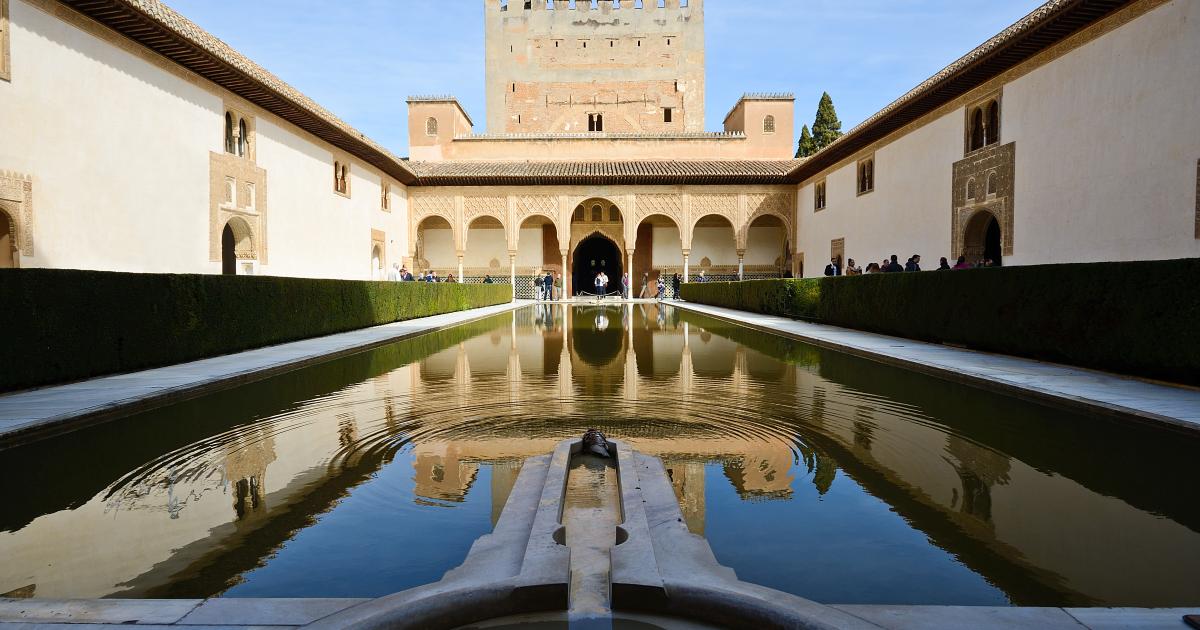
The Alhambra in Granada (Andalusia) is one of Spain’s most famous landmarks and a symbol of the rich Muslim heritage on the Iberian Peninsula. Picturesquely situated on a hill, this fortress with red walls (the name Alhambra means “Red Castle”) houses the intricately decorated Nasrid palaces and the fabulous gardens of the Generalife.
During the Middle Ages, the Alhambra served as the seat of the emirs of Granada, and its exquisite architecture—filled with arabesques, geometric patterns, and cool courtyards with fountains—continues to delight visitors to this day. After the Reconquista, Christian rulers also appreciated the beauty of the Alhambra, leaving behind, for example, the Renaissance palace of Charles V. Today, the Alhambra, along with the neighboring Albaicín historic district, is a UNESCO World Heritage Site, recognized as a unique testament to the coexistence of Eastern and Western cultures. An evening stroll along the illuminated walls of the fortress, with a view of the snow-capped peaks of the Sierra Nevada, is an experience that will long remain in the memory of every lover of history and beauty.
The historic center of Toledo (Castile-La Mancha)—if you want to travel back to the Middle Ages and experience the intermingling of cultures, be sure to visit Toledo. This city, once the capital of the kingdom, is known as the “city of three cultures” — for centuries, Christians, Muslims, and Jews lived side by side here, and traces of this can be seen in the city’s historic sites. Toledo’s Old Town, surrounded by the Tagus River and massive walls, is a treasure trove of architecture: dominating the skyline is the magnificent Gothic cathedral, and you’ll also find former synagogues converted into churches and a one-of-a-kind medieval mosque (Cristo de la Luz). Narrow, winding streets, stone gateways, and defensive towers create the atmosphere of a living open-air museum. The complex Historic Toledo has been inscribed on the UNESCO World Heritage List as a prime example of a medieval city where the influences of many civilizations have layered over time. Walking through Toledo, it’s easy to understand what fascinated El Greco, who created his famous paintings right here—the spirit of history is present at every turn.
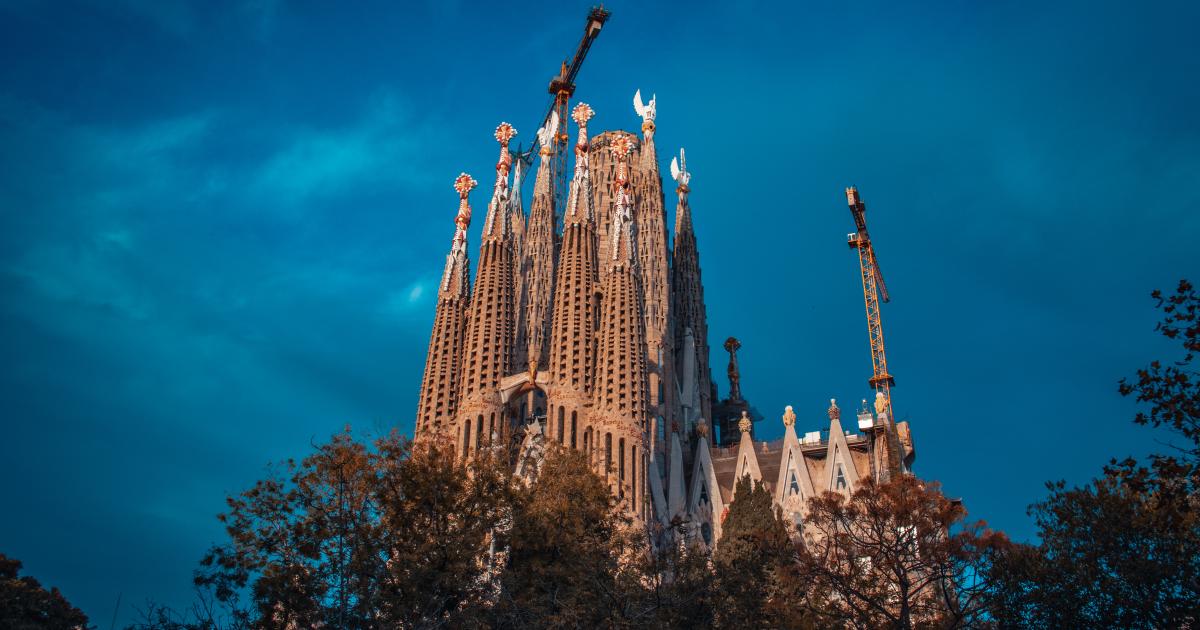
The Sagrada Família Basilica in Barcelona (Catalonia) is perhaps the most extraordinary church in the world, and at the same time an icon of the Catalan capital. Designed by the brilliant architect Antoni Gaudí, the basilica has been under construction... since 1882 and remains unfinished to this day. Its soaring towers and facades look as if they were created by nature—they resemble petrified trees, honeycombs, and whimsical sculptures. Drawing inspiration from nature and faith, Gaudí designed a structure full of symbolism, plays of light, and organic shapes. Although the Sagrada Família is still under construction, its existing parts have already been recognized by UNESCO (as part of the “Works of Gaudí” inscription) as an outstanding achievement of human creative genius. The basilica attracts millions of visitors every year tourists who, with their heads tilted back, admire the ornate facade of the Nativity Façade or the colorful stained-glass windows inside. Construction is scheduled to be completed in the 2020s, making the Sagrada Família a living work of art that is growing right before our eyes. A visit there is an encounter with absolutely unique architecture—with a touch of magic that Gaudí breathed into the stone.
Garajonay National Park (La Gomera, Canary Islands)—Spain’s UNESCO heritage includes not only cities and historical sites, but also natural areas of exceptional value. The small island of La Gomera hides a true botanical treasure—an ancient laurel forest dating back to the Tertiary Period. Garajonay Park protects the remnants of the laurisilva—a dense, evergreen cloud forest that, millions of years ago, covered much of the Mediterranean region. A walk through the humid Garajonay Forest, fragrant with laurel leaves and moss, feels like a journey into “The Lost World”—amid moss-covered trunks and ferns, it’s easy to feel as if you’ve stepped back into prehistory. UNESCO has listed this park as an exceptional biodiversity reserve: it is home to many endemic plant and animal species, and the ecosystem is unique on a global scale. The name Garajonay refers to a local legend about star-crossed lovers (Gara and Jonay), which adds a touch of romance to the place. From the park’s peaks, views stretch out over oceans of clouds and neighboring islands, but it is the green heart of La Gomera—an ancient forest shrouded in mist—that is the greatest attraction, offering solace and a sense of awe at the power of nature.
Altamira Cave (Cantabria) – to complete the picture of Spain’s treasures, one must go back to the very distant past. In northern Spain, not far from Santillana del Mar, there is an unassuming cave that houses some of the oldest and most famous cave paintings in the world. Altamira is sometimes called the “Sistine Chapel of the Paleolithic”—nearly 15,000 years ago, Stone Age artists immortalized colorful silhouettes of bison, deer, horses, and handprints pressed into ochre. When these paintings were discovered in the late 19th century, people initially did not believe they could be so old—they were simply too perfect. Today, there is no doubt that these are authentic works of art created by prehistoric people, preserved in excellent condition thanks to the specific conditions inside the cave. The Altamira Cave, along with other Paleolithic paintings in Cantabria, has been inscribed on the UNESCO World Heritage List as a testament to the origins of art—the first art gallery of its kind created by prehistoric humans. For conservation reasons, the original interior of the cave is currently closed to mass tourism (tourists’ breath could damage the microclimate), but a museum featuring a faithful reconstruction of the paintings has been established nearby. Looking at these ancient drawings, one can feel a thrill of emotion—here we connect with people from thousands of years ago through their art. It is remarkable that in the 21st century, Spain is still able to delight us not only with the creations of various civilizations but also with the message from our prehistoric ancestors.
A Legacy That Inspires and Commits Us
The examples above are just a handful of the fifty Spanish sites on the UNESCO list—and each one has its own story to tell. From the architectural beauty of the Alhambra to the untamed greenery of Garajonay, from the spiritual atmosphere of cathedrals and basilicas to the silent testimonies of prehistory—Spain emerges as a living open-air museum of history and nature, fascinating travelers at every turn. Inclusion on the UNESCO list is a recognition of these sites’ value, but also a reminder never to lose what makes them unique. Spaniards are well aware of this—caring for their heritage is a source of national and regional pride. For Poles living in Spain (and those who do not (only) is a great opportunity to see these wonders with your own eyes: to stroll through the streets of ancient cities, to touch the history enshrined in stone, and to marvel at nature preserved for future generations. Each of these treasures is an invitation to travel through time—all you have to do is open yourself up to these stories, and Spain will enchant you with its passion for life and the richness of its heritage, which belongs to all of humanity.