Spanish Cuisine: A Journey Through the Flavors of a Nation
So Much More Than Just Paella and Jamón
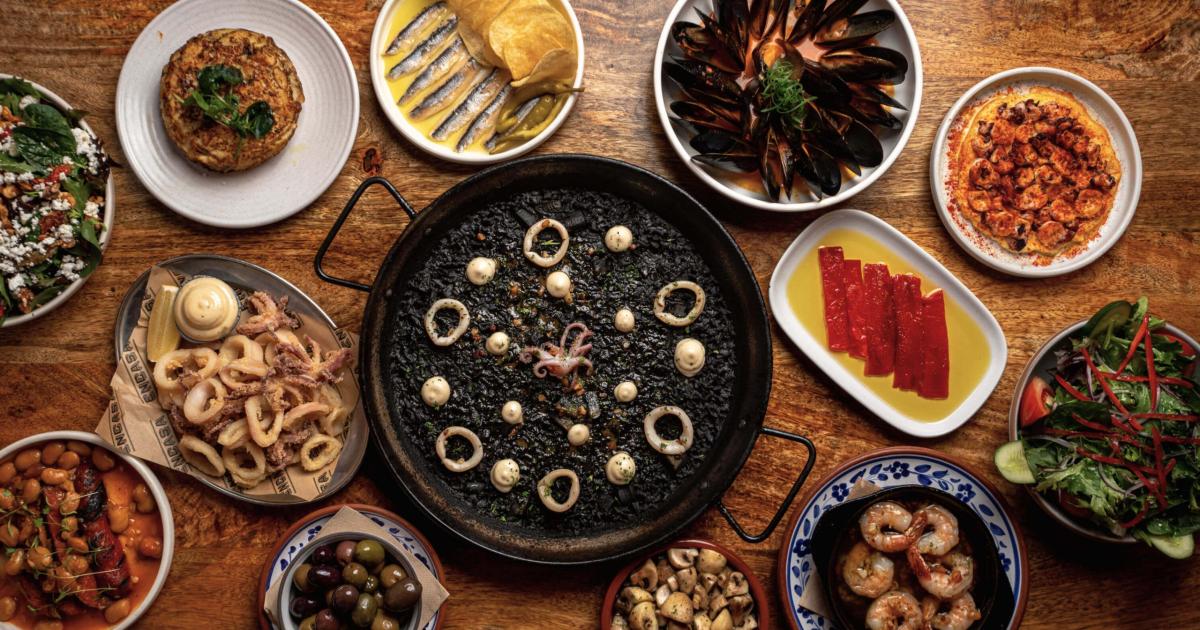
When we think of Spain, we inevitably picture colorful dishes, top-quality ingredients, and a culture in which food is much more than just sustenance: it is a ritual, a gathering, and an identity. Spanish cuisine is one of the fundamental pillars of Spanish culture, recognized worldwide for its diversity, richness of flavors, and deep connection to the land and the seasons.
What many people don’t know is that Spain doesn’t have a single, unified cuisine, but rather many regional cuisines, each with its own character, indigenous ingredients, and techniques passed down from generation to generation for centuries. From the green valleys of the north to the sunny fields of the south, along the coasts washed by two seas, the Iberian Peninsula offers a culinary mosaic as diverse as its geography.
Regions and Their Culinary Treasures
Andalusia: The Sunny South
Andalusian cuisine is a melting pot of cultures—Phoenician, Roman, Arab, and Jewish—that have left an indelible mark. It is the land of extra virgin olive oil (arguably the best in the world), nuts, fresh fish from the Atlantic and the Mediterranean, and spices reminiscent of Al-Andalus.
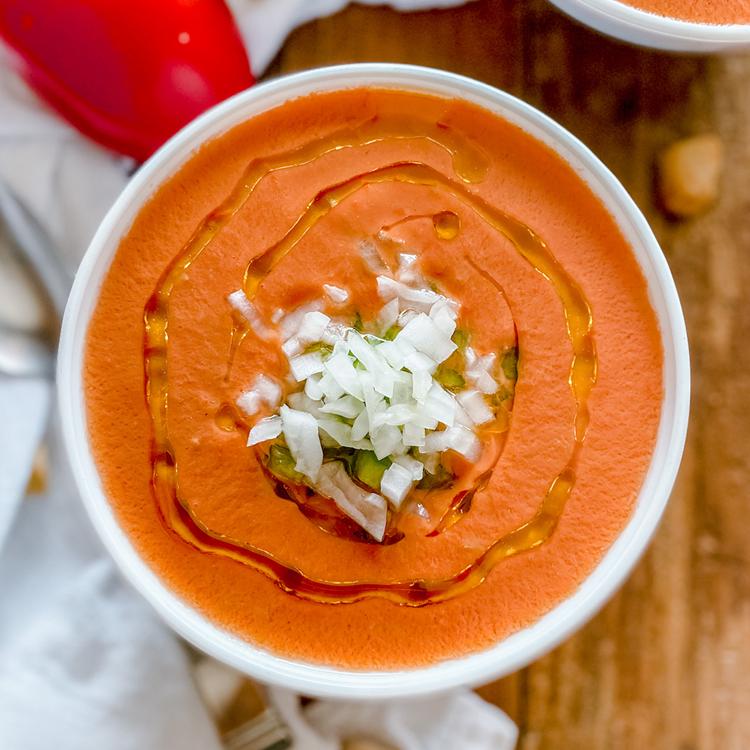
- Gazpacho: A perfect cold soup. Tomatoes, bell peppers, garlic, bread, olive oil, and vinegar, blended into a refreshing elixir for hot summers.
- Salmorejo: Its cousin from Córdoba, thicker and creamier, topped with ham and a hard-boiled egg.
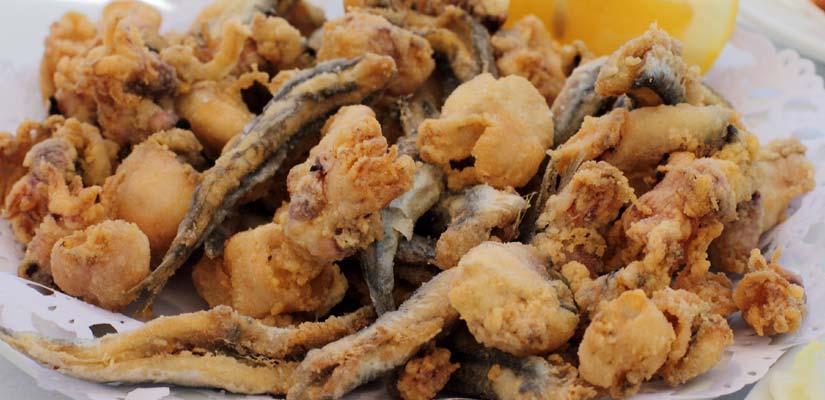
- Pescaíto frito: Fried anchovies, squid, and baby squid in batter, a typical dish found at beaches and festivals.
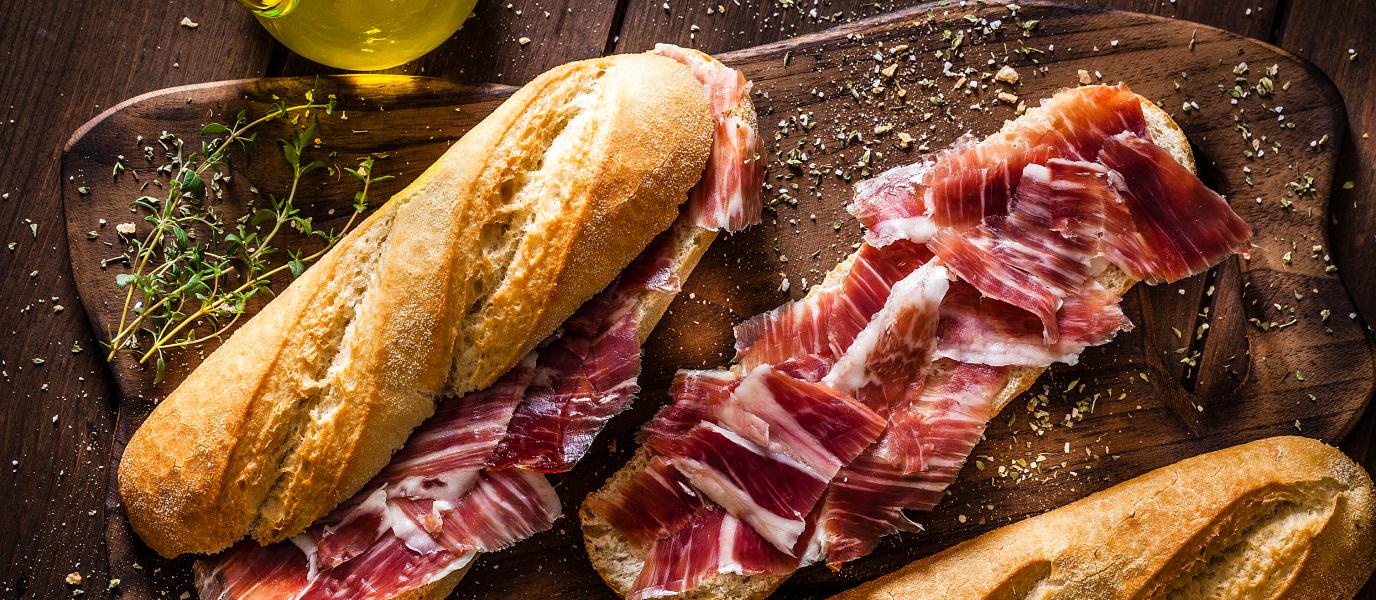
- Jamón ibérico: Although it is produced in many regions, the varieties from Jabugo (Huelva) and Los Pedroches (Córdoba) are legendary.
- Fritura de pescado: In Cádiz, frying fish is almost a religious ritual.
Catalonia: Cuisine of Fire and Sea
Catalan cuisine combines mountain traditions with the bounty of the Mediterranean. It is a land of sofregit (a base of onions and tomatoes), cured meats, and a unique maritime tradition.
- Escudella i carn d'olla: A hearty winter stew made with pilota (a type of giant meatball), vegetables, and various meats.
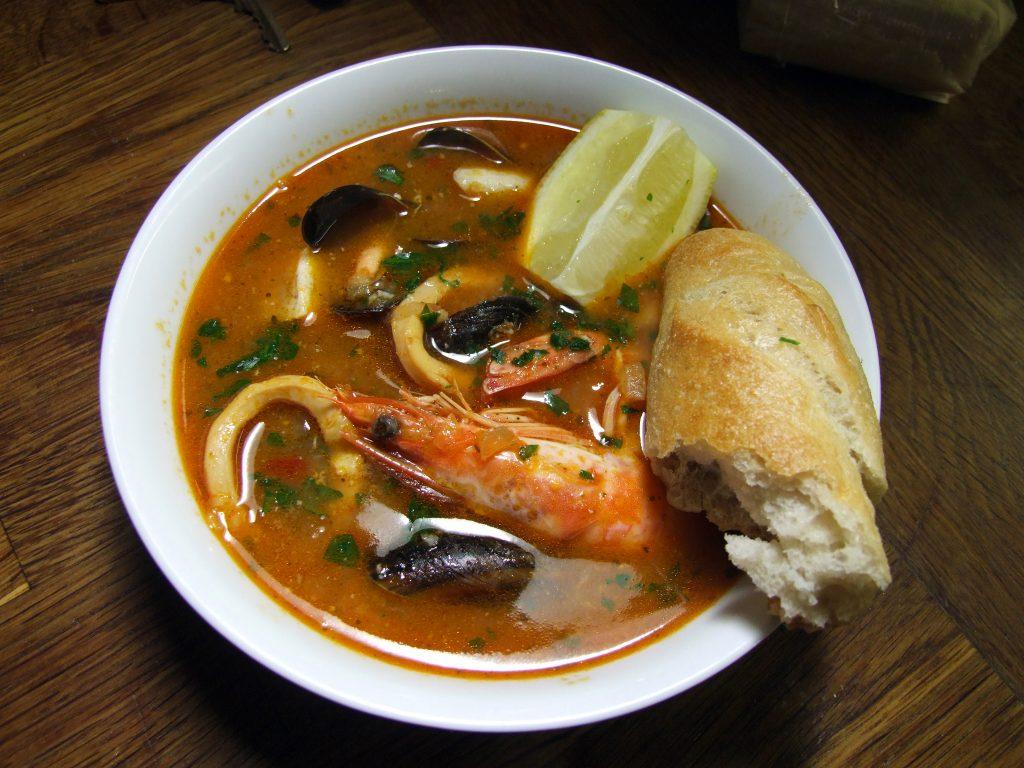
- Suquet de peix: A seafood stew with potatoes, tomatoes, and saffron.
- Fricandó: Braised veal with mushrooms and almonds.
- Pan amb tomàquet (Pa amb tomàquet): A simple slice of bread rubbed with tomato and drizzled with olive oil, served with almost every meal.
- Crema catalana: The predecessor to crème brûlée, with its characteristic caramelized sugar crust.
The Basque Country: A Temple of Fine Dining
The Basque Country is probably the region with the highest density of Michelin-starred restaurants in the world. Here, gastronomy is almost a religion.
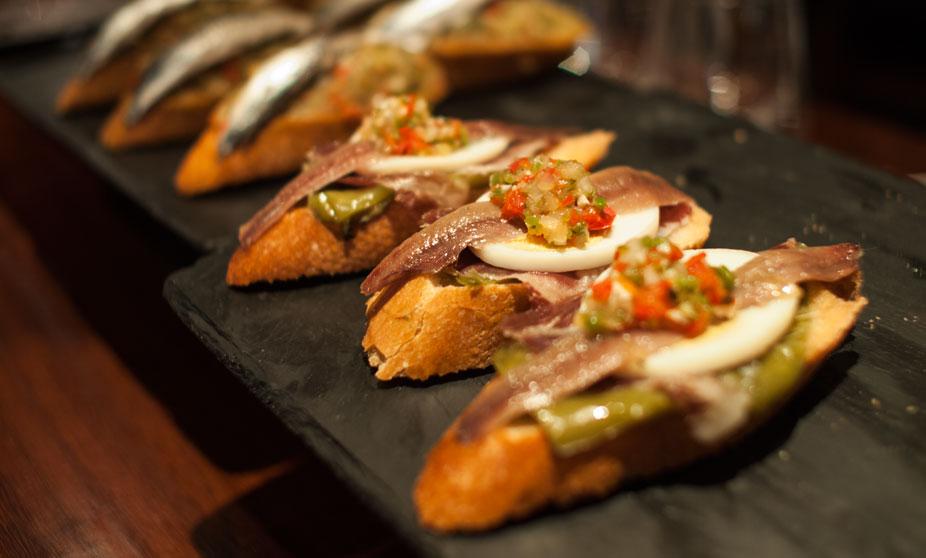
- Pintxos: The evolution of tapas. Tiny works of art on a slice of bread, served in bars in San Sebastián and Bilbao.
- Bacalao al pil pil: Cod confit in olive oil with a garlic and chili pepper emulsion—a technique that requires patience and skill.
- Marmitako: A stew made with tuna, potatoes, bell peppers, and onions, originating among fishermen.
- Chuletón a la parrilla: A famous beef steak, grilled over oak charcoal, with a distinctive charred exterior.
- Tarta de queso: The Basque version of cheesecake, with a caramelized top, has taken the world by storm.
Galicia: The Wet Garden
In the northwest, abundant rainfall nourishes a region of lush greenery and wild coastlines that offer the best seafood on the planet.
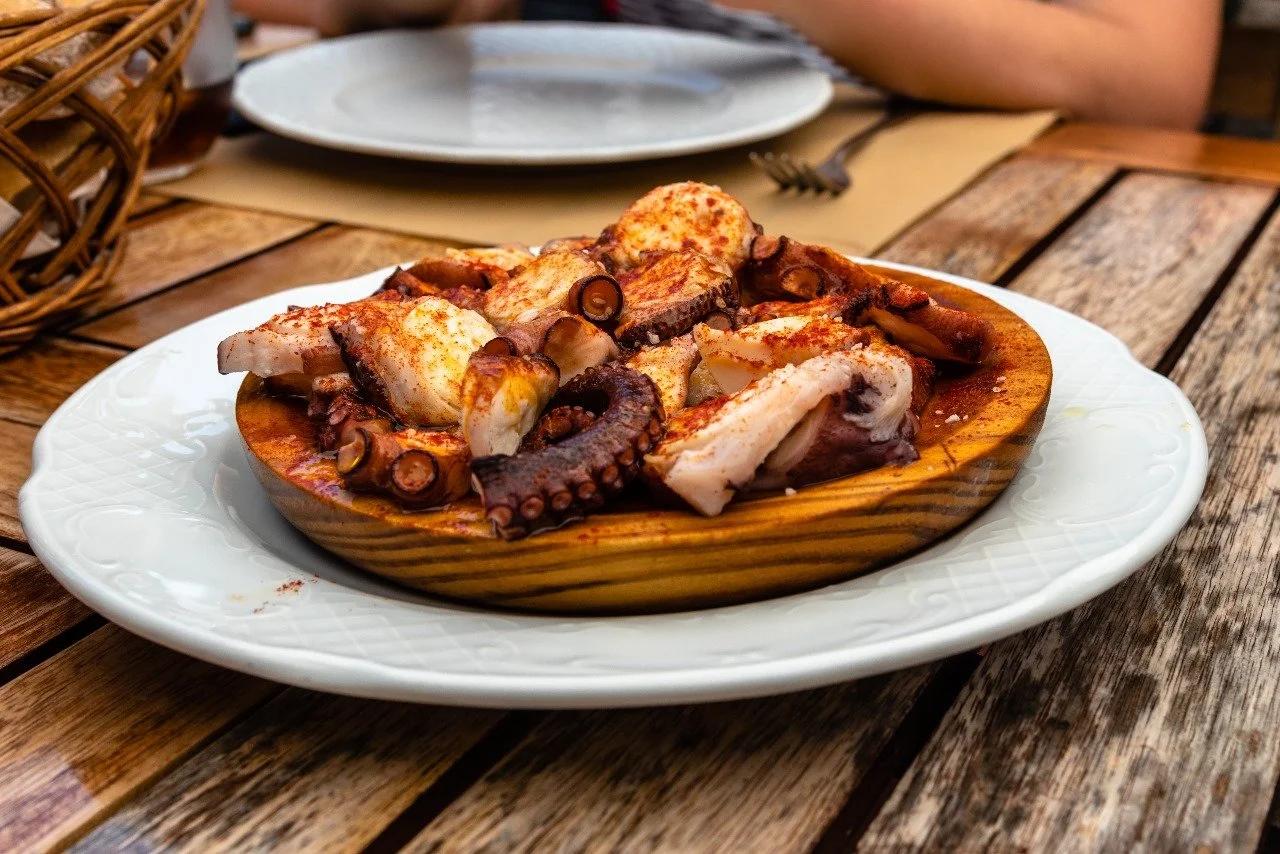
- Pulpo a la gallega (Pulpo á feira): Cooked in copper pots, cut with scissors, drizzled with olive oil and paprika, and served on a bed of potatoes.
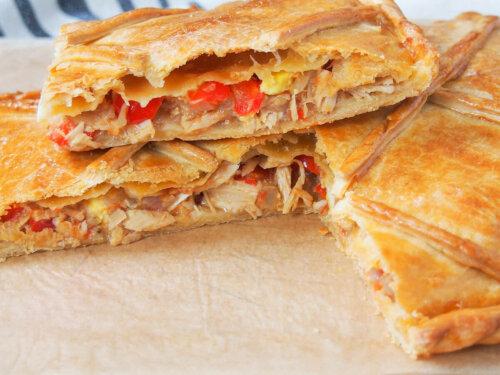
- Galician empanada: Bread dough stuffed with tuna, bonito, meat, or mussels, baked until golden brown.
- Zorza: A dried sausage similar to chorizo, but with its own distinct character.
- Mariscada: Crabs, hermit crabs, sea urchins, clams, scallops... Galicia is a seafood paradise.
- Tarta de Santiago: Almonds, eggs, and sugar, with the Cross of St. James cut into the top.
Castile and León: Cuisine and Interiors
The Meseta is a land of extreme climates, lambs, piglets, legumes, and highland wines.
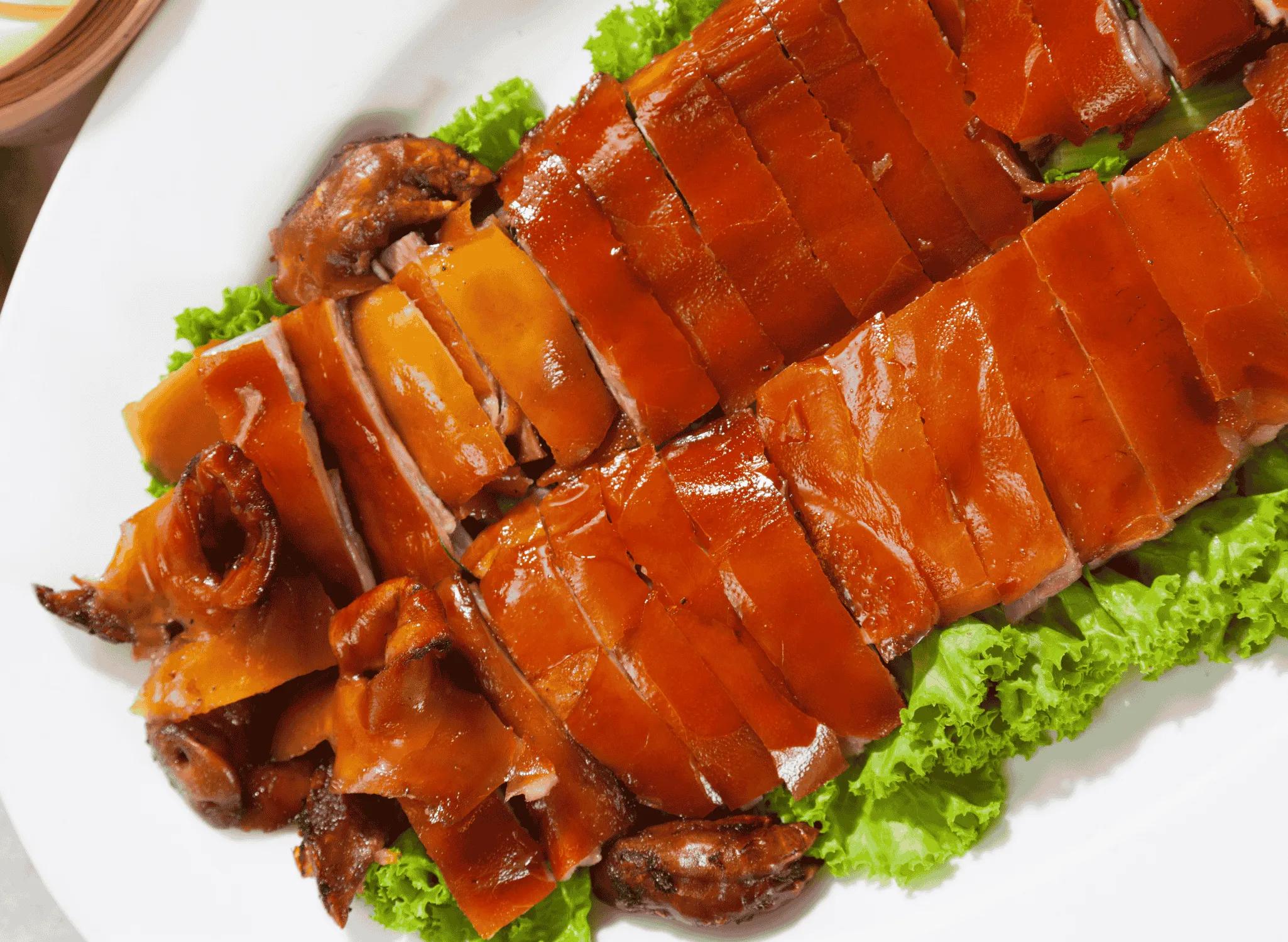
- Cochinillo asado: A Segovian suckling pig roasted in a wood-fired oven until it falls off the bone—famous all over the world.
- Roast lamb: Especially from Aranda de Duero or Castile, with crispy skin and tender meat.
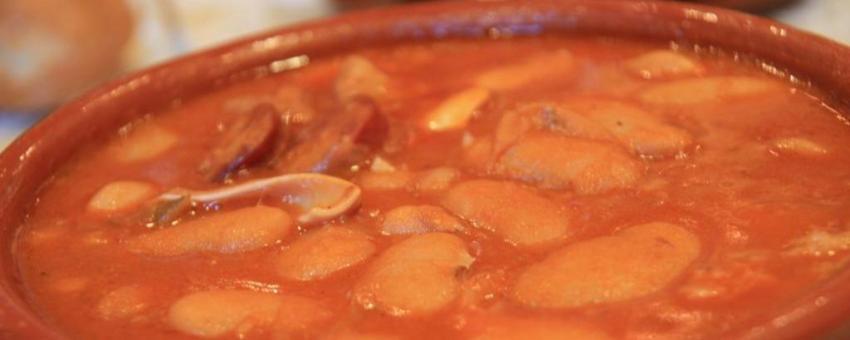
- Judiones de la Granja: Hearty beans, cooked with pig's ears, tails, and chorizo.
- Sopa de ajo: A Castilian garlic soup with bread, bell peppers, and a poached egg—perfect for cold weather.
- Lechazo: Milk-fed lamb, slow-roasted.
The Valencian Community: The Land of Rice
Valencia is synonymous with rice. With over 300 varieties, this region has elevated the grain to an art form.
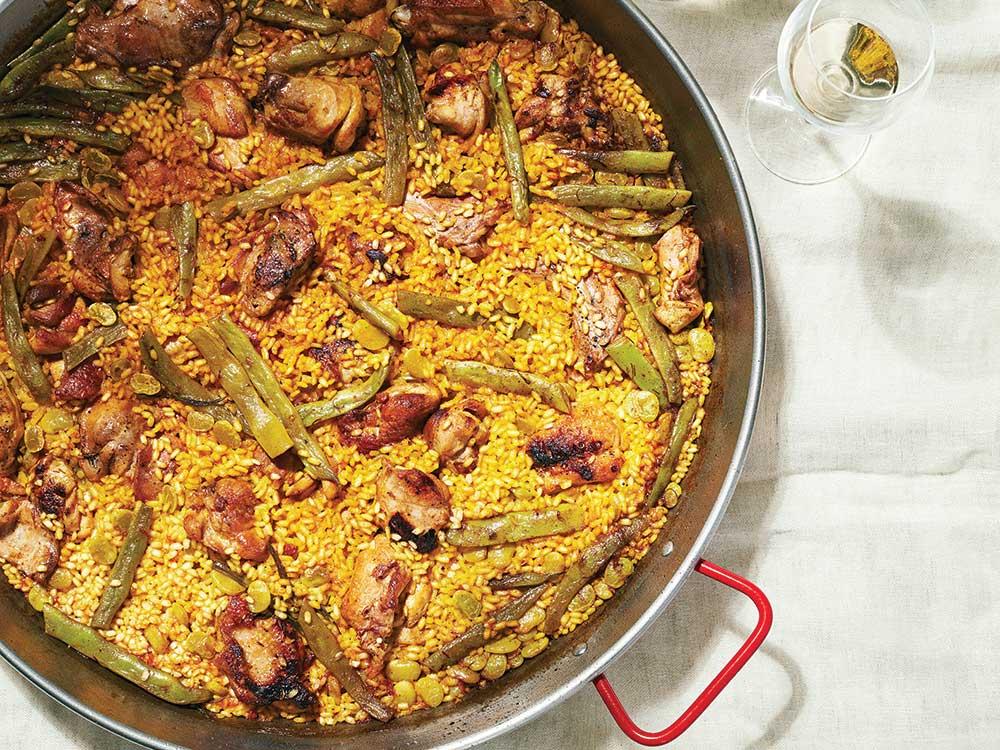
- Paella valenciana: Authentic, made with rabbit, chicken, fava beans, green beans, tomatoes, saffron, and rosemary. No seafood (that’s something completely different).
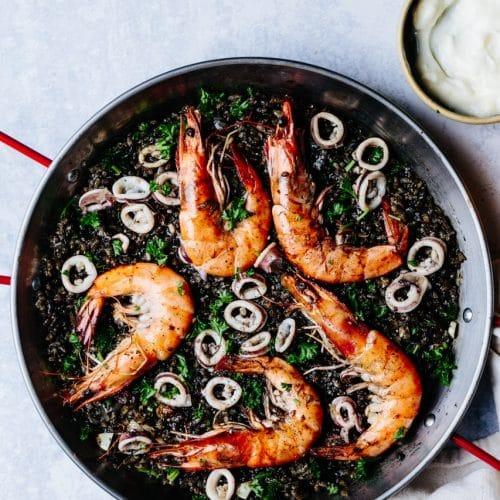
- Arroz negro: Cooked with squid ink, with a distinctive ocean flavor.
- Arroz al horno: With ribs, cold cuts, chickpeas, and potatoes, cooked in a clay pot.
- Fideuá: Like paella, but made with short noodles; it originates from Gandía.
- Horchata: A refreshing and sweet drink made from groundnuts (chufa), typical of summer.
Extremadura: The Land of the Iberian Pig
Extremadura is the heartland of the Iberian acorn-fed pig. Its dehesas, covered with oak and cork oak trees, are the natural habitat of these animals.
- Jamón ibérico de bellota: The most highly prized, with the Dehesa de Extremadura designation of origin.
- Caldereta de cordero: A traditional shepherds' stew.
- Migas: Crumbled dry bread, fried with garlic, bell peppers, bacon, and sometimes grapes.
- Torta del Casar: A sheep's-milk cheese with a runny center beneath the rind, intense and complex.
- Zorongollo: A salad made with bell peppers, tomatoes, and onions, from northern Cáceres.
La Rioja and Navarre: Between Vineyards and Vegetables
A country known for its wines, but also for its excellent vegetables and mountain stews.
- Pimientos del piquillo: Roasted and stuffed with cod or meat, from Lodosa (Navarre).
- Alcachofas a la montesina: Artichokes confit with ham.
- Patatas a la riojana: With chorizo, bell peppers, and chili peppers.
- Bacalao a la riojana: With bell peppers and tomatoes.
- Menestra: A stew made with seasonal vegetables (asparagus, peas, artichokes).
Aragon: Between Moncayo and the Ebro
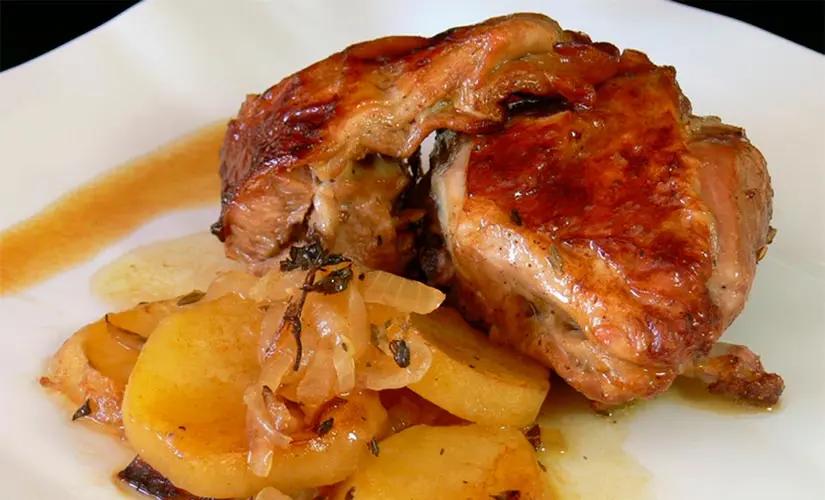
- Ternasco asado: Young lamb, roasted with potatoes.
- Migas de pastor: Like in Extremadura, but with its own identity.
- Borrajas: A common vegetable, braised with ham.
- Jamón de Teruel: The first cured ham in Spain to bear the Denominación de Origen designation.
- Fruta confitada de Fraga: An Arab tradition that has endured.
The Canary Islands and the Balearic Islands: Island Cuisines
The Canary Islands have a simple yet distinctive cuisine, with influences from the Americas and Africa:
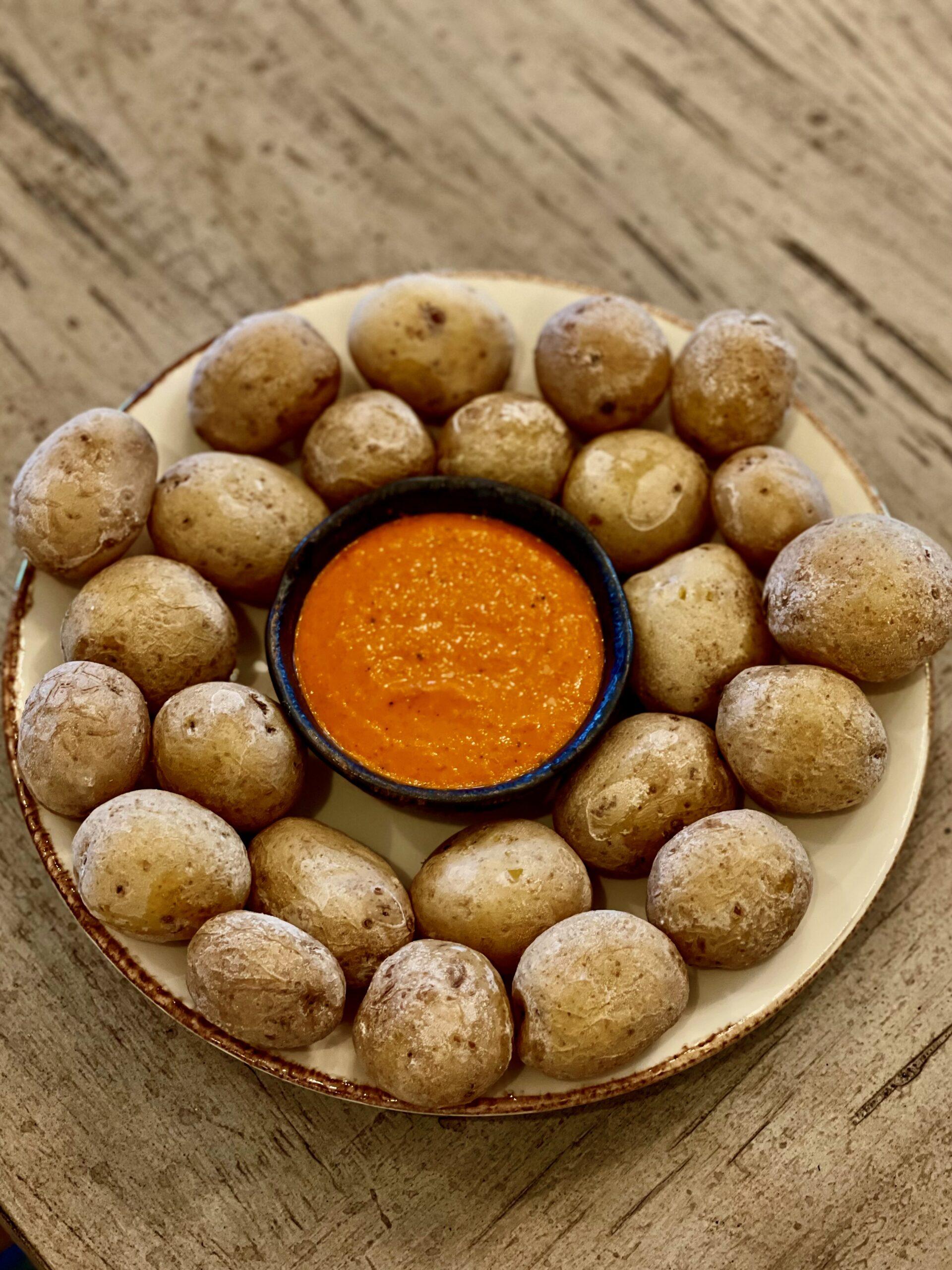
- Papas arrugadas: Boiled in their skins in salted water, served with mojo picón or mojo verde.
- Gofio: Roasted corn or wheat flour, a staple of the Canarian diet.
- Sancocho: Salted fish cooked with sweet potatoes and mojo.
The Balearic Islands combine the maritime with the rural:
- Sobrasada: A Majorcan pork sausage with paprika, spreadable and aged.
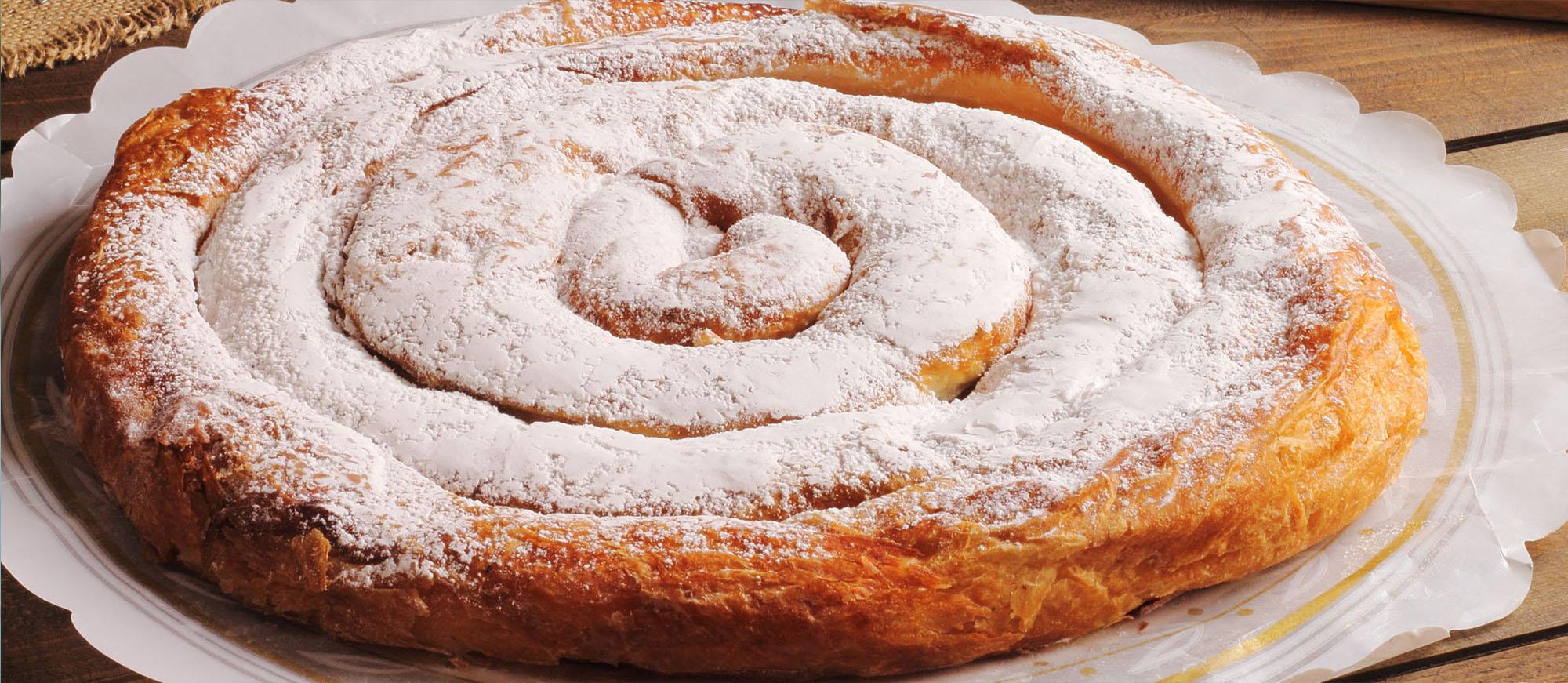
- Ensaimada: A spiral-shaped pastry made from leavened dough and sprinkled with sugar.
- Tumbet: A gratin made with eggplant, potatoes, and bell peppers in tomato sauce.
- Frito mallorquín: Fried offal and vegetables.
Culinary Traditions: Beyond the Plate
Tapas: A Philosophy of Life
Tapas aren’t just small bites; they’re a way of understanding a meal as a social act. From north to south, ir de tapas (or ir de pintxos) means chatting, sharing, and savoring without rushing. Every region has its own version: in Granada, tapas are complimentary with a drink; in Seville, they’re shared at high tables; in San Sebastián, they’re sophisticated works of art displayed on the bar counters.
Vermú
On Sundays at noon, especially in Madrid, Barcelona, and the north, vermú is a ritual. A glass of vermouth accompanied by olives, anchovies in vinegar, patatas bravas, and croquettes, before a family lunch.
Afternoon Snack
Between lunch (2:00 p.m.) and dinner (9:00–10:00 p.m.), merienda is a must. Chocolate with churros, squid sandwiches, or simply coffee with pastries.
Portions and Sharing
Unlike in other European cuisines, in Spain it’s rare for each guest to order their own dish. You order for the whole table: a ración of ham, croquettes, or tortillas—and everyone shares the food. It is a social cuisine by nature.
Holidays and Food
- Matanza del cerdo (Pig Slaughter): In winter, in small towns throughout Spain, especially in Extremadura and Castile. A community event during which cured meats are prepared.
- Romería del Rocío: In Andalusia, a meal in the countryside organized by a religious brotherhood.
- Las Fallas: In Valencia, giant street paellas, fried foods, and doughnuts.
- San Fermín: In Pamplona, chistorra and ajuarriero.
- Vendimia (Grape Harvest): In Rioja, Jerez, and Ribera del Duero—festivals celebrating the grape harvest.
Fundamental Ingredients
Spanish cuisine is built on pillars of unquestionable quality:
- Extra virgin olive oil: Liquid gold. Spain is the world’s largest producer. It’s used for everything: frying, salad dressings, cooking, and confit.
- Ham: Iberian acorn-fed ham is the king, but there’s also serrano ham, ham from Teruel, and ham from Trevélez.
- Garlic: The foundation of countless sofrito dishes.
- Paprika: Sweet, hot, or smoked (pimentón de la Vera), it adds color and flavor.
- Tomato: Especially in the summer, grated on bread or as a base for sauces.
- Legumes: Chickpeas, beans, lentils. Cocido is an intangible cultural heritage.
- Fish and Seafood: Fresh, from the fish market, seasonal. Anchovies, sardines, cod (always salted), hake.
- Bread: Baguette, country bread, Catalan pa de cristal.
- Potatoes: In tortillas, stews, and fried.
- Wine: From Rioja to Priorat, Albariño, Cava, Jerez, and Ribera del Duero.
Beverages: The Perfect Companion
- Wine: Spain has over 70 designations of origin. Red, white, rosé, and sparkling.
- Beer: Drunk very cold, especially in the summer, often with tapas.
- Sangría: Red wine with fruit—refreshing and popular with tourists, though Spaniards prefer tinto de verano (wine mixed with lemonade).
- Horchata: Made from groundnuts (chufa) in Valencia.
- Coffee: Café solo, cortado, con leche, bombón... these are the perfect way to end almost any meal.
- Digestifs: Orujo, pacharán, chinchón, herbal liqueur.
Desserts: A Sweet Finale
- Tarta de Santiago: An almond tart from Galicia.
- Crema catalana: With a caramelized layer of sugar.
- Flan: An egg-based dessert with liquid caramel.
- Torrijas: Bread soaked in milk, fried, and sprinkled with sugar—a traditional Easter treat.
- Buñuelos: Light and fluffy, creamy, made with pumpkin.
- Churros con chocolate: Especially for breakfast or during merienda.
- Tarta de queso: The Basque version has taken the world by storm.
- Miguelitos: A French pastry filled with cream, from La Roda (Albacete).
- Yemas: From Ávila, the hometown of St. Teresa, sweets made from egg yolks and sugar.
A Vibrant and Versatile Cuisine
Spanish cuisine is not a museum of old recipes; it is a living tradition that is constantly evolving. Spanish Nouvelle Cuisine, spearheaded by Ferran Adrià and El Bulli, revolutionized the world of cuisine in the 1990s. Today, chefs such as Joan Roca, Martín Berasategui, Dabiz Muñoz, and Eneko Atxa continue to innovate while drawing on tradition.
But what’s truly remarkable about Spanish cuisine isn’t just the Michelin stars or iconic dishes. It’s the philosophy of the table: the idea that eating is a communal act, that time spent at the table is time well spent, that the quality of the ingredients takes precedence over the complexity of the technique, and that every region, every town, and every family has something unique to contribute.
From churros for breakfast at dawn in Madrid to a seafood dinner in a Galician port, from Sunday paella in a Valencian home to pintxos at a bar in San Sebastián, Spanish food is, above all, an invitation to joy, togetherness, and delight.
And that, perhaps, is what makes them so irresistible.