Fall in Spain—What to Eat to Get a Taste of the Local Atmosphere?
Although Spain is mainly associated with sunshine and summer, it is actually fall—a quieter, less touristy, and more “Spanish” season—that offers a wealth of flavors and aromas worth discovering. For Poles living on the Iberian Peninsula, this is a perfect opportunity to better understand the rhythm of local life through the local cuisine. Fall in Spain is the season for chestnuts, mushrooms, pumpkins, stews, and one-pot dishes. It’s also the season for the grape harvest, olives, and dishes with soul.
Chestnuts – The King of Autumn
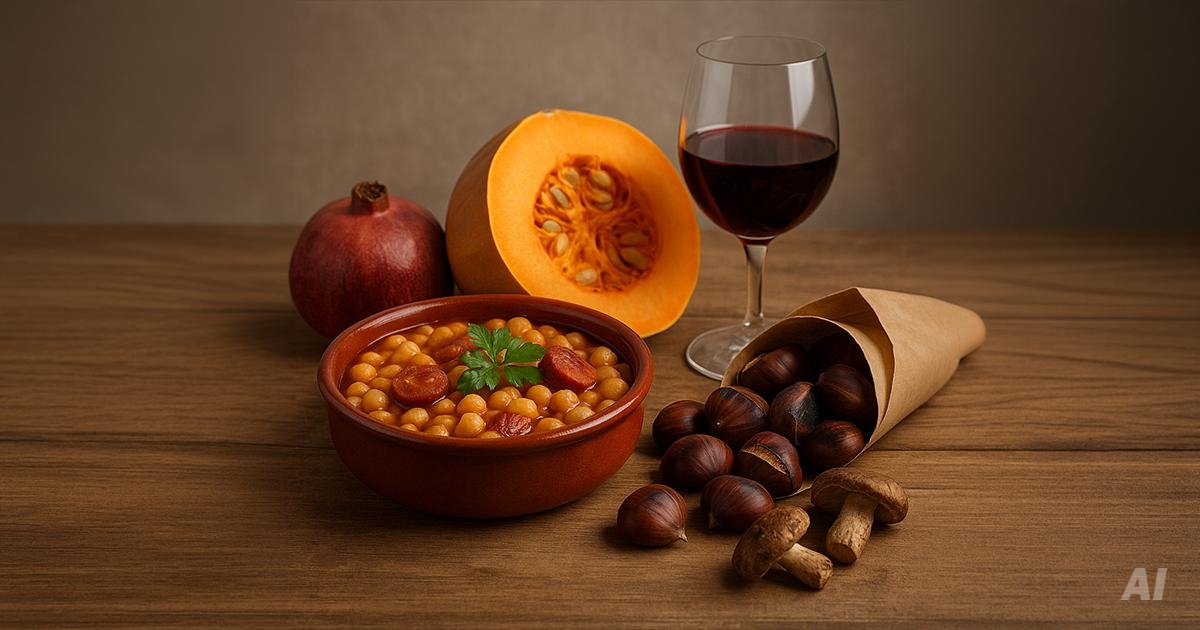
In the fall, many Spanish streets are lined with distinctive, smoke-filled stalls selling roasted chestnuts—castañas asadas. Their aroma wafts through cities and towns from October through December. They’re not just a snack, but a part of local identity, especially in Galicia, Asturias, and Catalonia. In November, traditional chestnut festivals—Magosto and Castanyada—are celebrated here with bonfires, wine, and music.
Fall Dishes: A Heartwarming Classic
Although Spain is regionally diverse, during the colder months it favors hearty, filling, and aromatic dishes. Be sure to try:
- Cocido madrileño – a classic stew made with chickpeas, meat, and vegetables, served in stages: first the broth, then the vegetables, and finally the meat.
- Fabada asturiana – a hearty bean stew made with white fabes beans, chorizo, and bacon. Perfect for cooler days.
- Potaje de garbanzos con espinacas – a stew of chickpeas and spinach, typical of Andalusia, but also served in the fall in other regions.
- Crema de calabaza – a delicate pumpkin soup, often served with croutons or toasted pumpkin seeds. The Spanish version differs from the Polish one in that it includes olive oil, nutmeg, and... sometimes a pinch of orange zest.
Seasonal Fruits and Vegetables: What to Buy in the Fall?
Fall is a time of abundance at Spanish markets. Be sure to check out:
- Pomegranates (granadas) – sweet and tart, perfect for salads, yogurt, and even meat dishes.
- Quince (membrillo)—whether cooked or as a thick jam (dulce de membrillo)—pairs perfectly with Manchego cheese.
- Pumpkin (calabaza) – roasted, boiled, in soups and desserts.
- Mandarins (mandarinas) – they appear in late fall; juicy and fragrant, they’re perfect as a healthy snack.
- Mushrooms (setas)—including níscalos (chanterelles), which are particularly popular in Castile and Catalonia. Fall is the season for mushroom hunting, and some towns even hold “mushroom festivals” featuring tastings and cooking demonstrations.
Spanish Autumn at the Table: More Than Just Paella and Tapas
Although paella and tapas are icons of Spanish cuisine, they’re less common on local tables in the fall. Instead, stewed and baked dishes—with more legumes and spices—take their place. Spaniards love to enjoy pucheros, estofados, and cremas, which are not only filling but also warm you up from the inside out.
Fall is also the time to taste new wines—especially in regions like Rioja and Ribera del Duero. Many towns host wine festivals (fiestas de la vendimia), where you can sample local wines and snacks.
What should you try to get a feel for the atmosphere?
Try a Spanish-style fall dinner at least once: pumpkin soup with bread, baked cheese with dulce de membrillo, red wine from a nearby vineyard, and a handful of roasted chestnuts for dessert. Instead of rushing home, sit down at a bar in the evening with some local seniors, order a plate of fabada, and warm up with a conversation.
Spanish autumn doesn’t call out with vibrant colors, but speaks in whispers—in the scent of chestnuts, the taste of soup, and the warmth of heated olive oil. To truly experience it, you have to eat slowly, savor local foods, and keep an open heart.