Murcia: The Quiet Star of Southern Spain
Murcia is one of those Spanish cities that all too often falls victim to its own modesty. There are no crowds with selfie sticks here like in Barcelona, and no rowdy festival tourists from Ibiza shouting from the balconies. And yet—or perhaps precisely because of this—Murcia charms with its authenticity and laid-back vibe, which are hard to find in more famous cities.
A Brief History Lesson (But No Yawning)
Murcia was founded in 825 by the Emir of Córdoba, Abderramán II, and was originally called Mursiya. Over the centuries, it changed hands repeatedly: from the Arabs, to the Castilian kings, and finally to the uninvited French Napoleonic guests. This centuries-old blend of cultures is still evident in its architecture, street layout, and cuisine.
A Stroll Through the Heart of the City
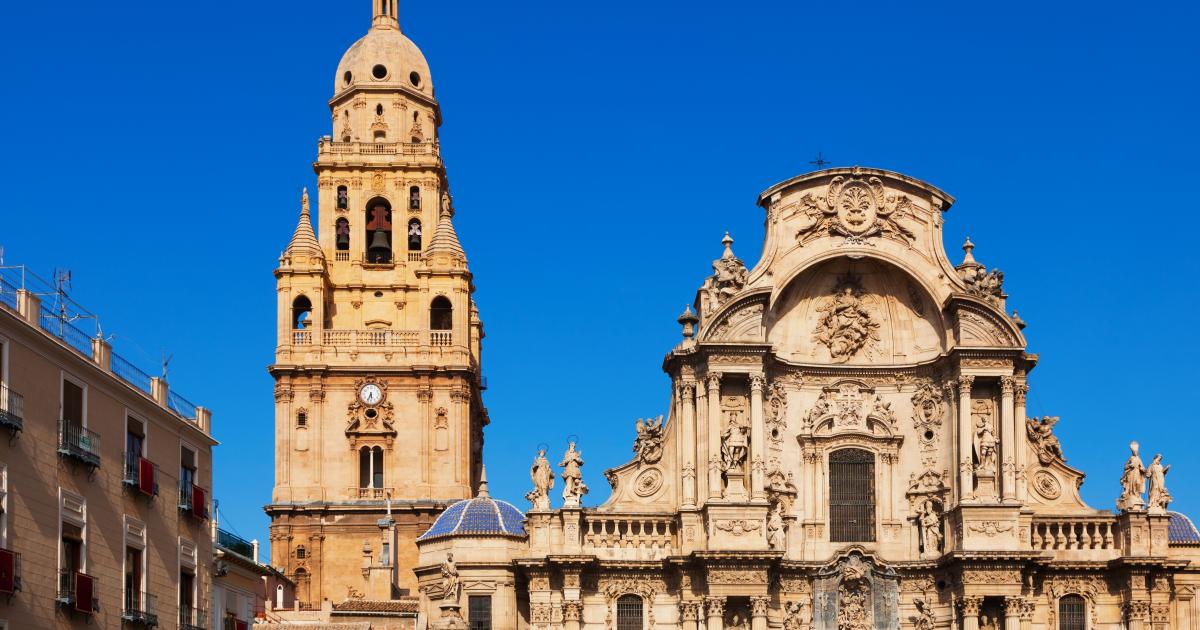
Murcia’s biggest star (aside from the sun—which shines here more than 300 days a year) is undoubtedly the Cathedral of Santa María —a marvelous blend of Gothic, Renaissance, and Baroque styles that impresses not only architecture enthusiasts but also those who came here “just for ice cream.”
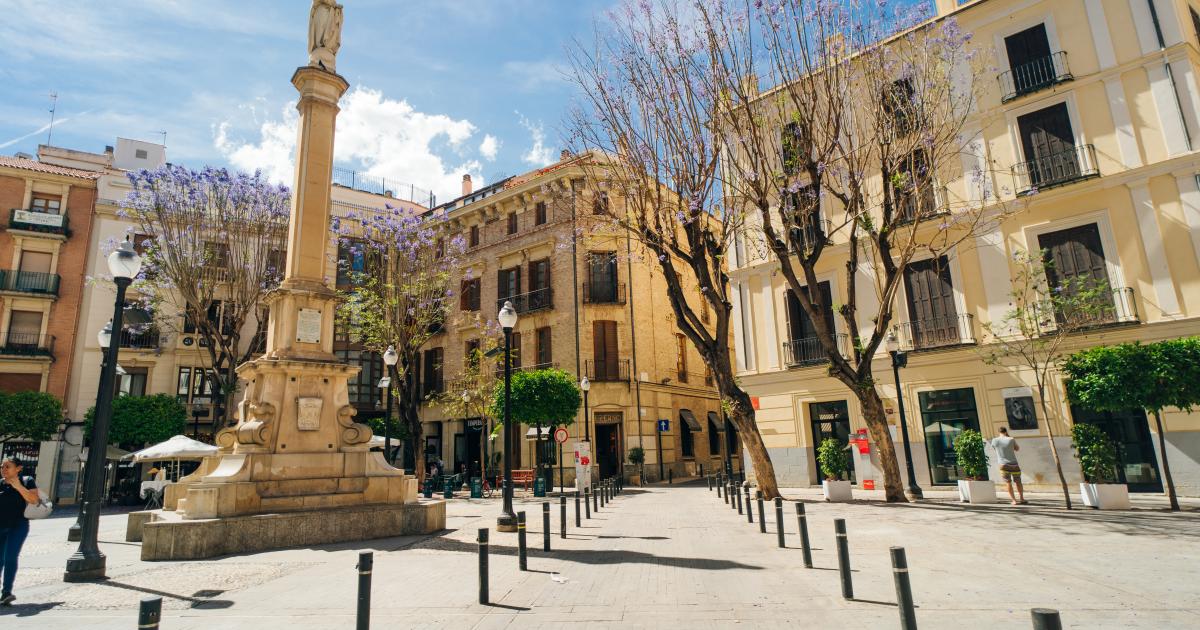
Next door is Cardinal Belluga Square, the perfect spot for a coffee and to watch city life unfold—which in Murcia moves at a leisurely pace, with southern grace and the obligatory siesta.
Attractions Worth Seeing (and Photographing, but in Moderation)
- The Casino in Murcia—an elegant 19th-century building that looks like a sultan’s palace after a visit to an Art Nouveau stylist.
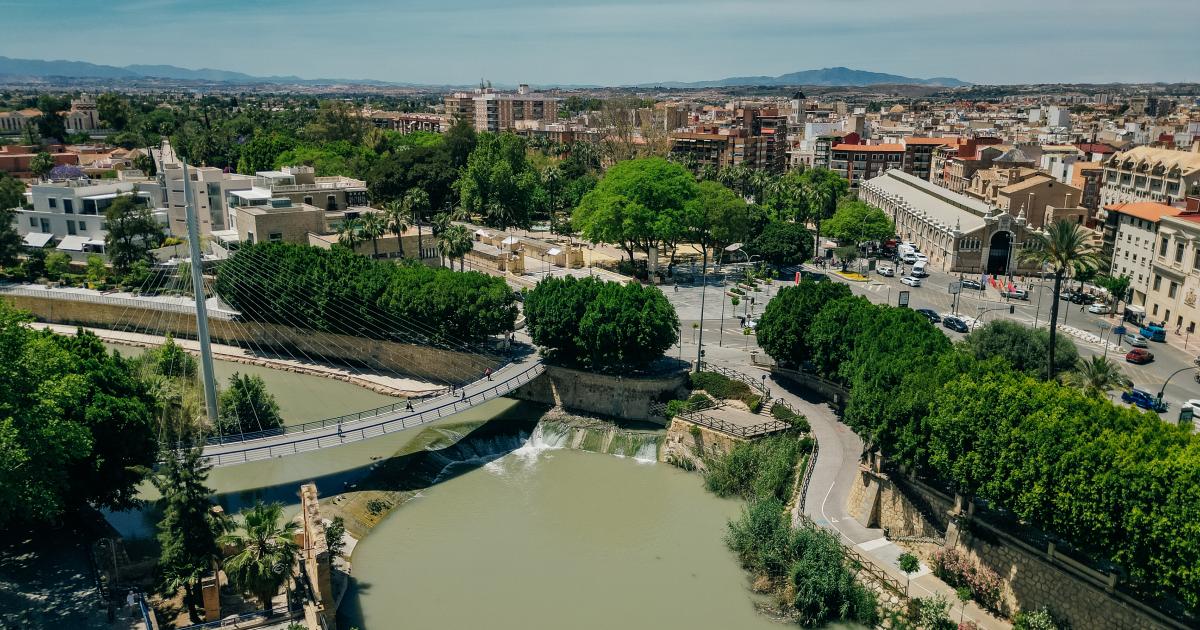
- The Roman Bridge (Puente Viejo) – a symbol of the city, a great spot to watch the sunset and send vacation greetings.
- Floridablanca – Spain’s oldest public garden, perfect for a stroll with a cup of coffee or with someone you’re falling in love with.
- The Segura River—lazy, a bit capricious, but charming—flows through the city like a ribbon steeped in history.
The Culinary Side of Murcia
You can’t write about Murcia without mentioning the food. It’s the capital of Mediterranean cuisine with character. You’ll find everything here—from seafood tapas to local stews to desserts so sweet they could sign a contract with a dentist.
You've got to try this:
- Marinera – a cracker topped with potato salad and anchovies (in other words, a local “tapas à la genius”).
- Paparajote – a lemon tree leaf fried in batter (important: don't eat the leaf—it's a test to see if you're a local).
The City of Young Souls
Murcia is also a student city—it’s home to the Universidad de Murcia, founded in 1272 (yes, that’s right). Thanks to this, Murcia is bustling not only during the day but also at night—from tapas bars and small galleries to concerts in parks and cafes.
Murcia in three words? Warm, colorful, surprising.
Murcia isn’t the picture-perfect Spain you see in travel brochures—it’s authentic, everyday life with the scent of oranges, and it’s easy to fall in love with it. And since flights to Alicante or Valencia are cheap, well… who knows? Maybe that’s where your next stop will be?