Uninvited guests in Spanish waters
In the summer, Spanish beaches are bustling with life—the buzz of conversation, children’s laughter, and the lapping of the waves are a daily occurrence on the Mediterranean. However, for several years now, an intruder has been appearing in this idyllic setting that can effectively ruin a vacation—the jellyfish. Although it looks like a delicate jelly floating in the water, it can be a source of pain, stress, and even an allergic reaction.
The presence of jellyfish off the coast of Spain is not a new phenomenon, but their numbers have increased significantly in recent years. Scientists attribute this to climate change, which is causing the waters to warm and creating ideal conditions for these organisms to reproduce. Overfishing of fish—which are natural competitors or predators of jellyfish—also plays a role in this phenomenon. Furthermore, the decline in sea turtle populations—especially around the Balearic Islands—means there are fewer natural “cleaners” of the seas, which previously limited the growth of jellyfish populations.
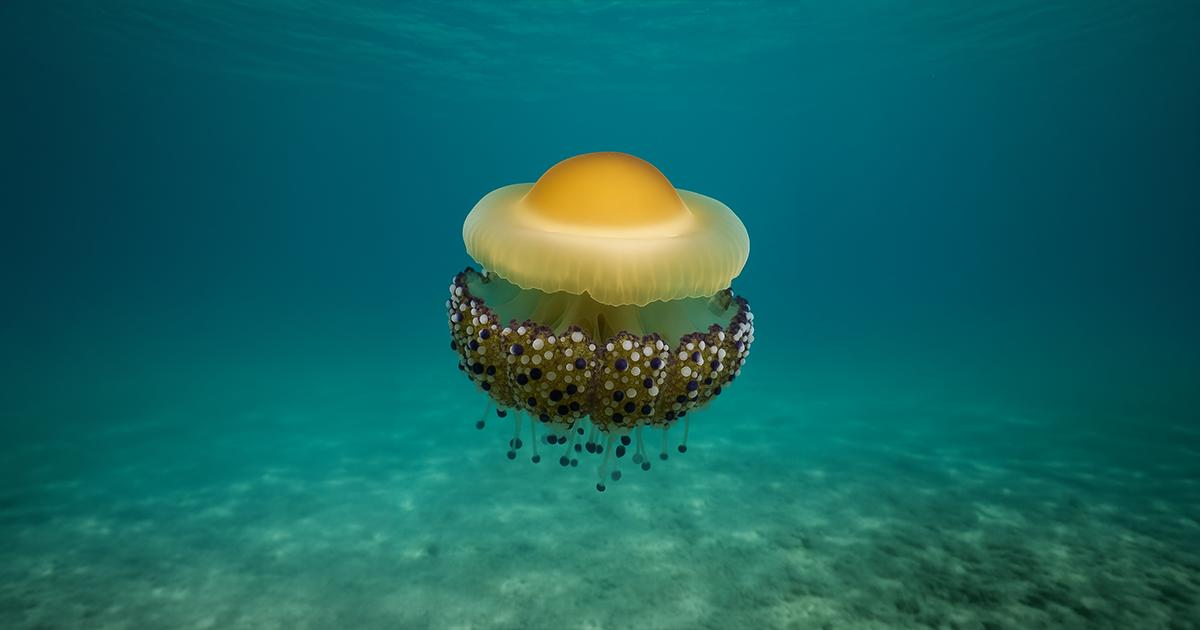
In Spanish waters, Pelagia noctiluca is the most common and, at the same time, the most troublesome jellyfish. Its transparent body, with a pinkish tint and long stinging cells, can be difficult to spot, and contact with it can result in a severe burn. Although not life-threatening, the sting can be very painful and takes a long time to heal. Much more spectacular, but less dangerous to humans, is Rhizostoma pulmo—a large, bluish jellyfish often compared to a gelatinous balloon. You may also encounter Cotylorhiza tuberculata, commonly known as the “fried egg jellyfish”—it looks striking but is usually not dangerous.
Spanish law enforcement and rescue personnel are increasingly monitoring conditions in the water and raising appropriate warning flags. Despite this, many tourists and residents unknowingly enter the water in areas where the risk of encountering jellyfish is high—especially after storms, which can push entire groups of these creatures closer to shore.
It’s important to remember that even a dead jellyfish washed up on the sand can still sting—its stinging cells remain active for many hours. That’s why it’s recommended to exercise caution not only in the water but also on the beach, especially in areas where warnings have previously been issued.
Although an encounter with a jellyfish isn’t exactly a pleasant vacation experience, that doesn’t mean you have to give up swimming in the ocean. The key is knowing how to behave and how to avoid danger. A little caution is all it takes to ensure your summer vacation remains free of unpleasant surprises.
How can you protect yourself from jellyfish, and what should you do if you get stung?
- Always pay attention to the flags and announcements from lifeguards—a red flag often indicates a danger from jellyfish.
- Avoid swimming after storms—that's when jellyfish are more likely to be washed ashore.
- Don't even touch dead jellyfish—their stinging cells can remain active for many hours after death.
- If you get burned, get out of the water immediately and rinse the affected area with seawater.
- Remove any remaining stinging cells—for example, with a plastic card—and apply a cold compress.
- Avoid home remedies like vinegar or urine—they can make the situation worse.
- If you experience a severe allergic reaction, consult a doctor or go to a medical facility.