From Whistlers to Herods: Forgotten and vivid Polish rituals between Christmas and the Three Kings
Christmas is just the beginning!
For most of us, Polish holidays end with the consumption of twelve Christmas Eve dishes. Meanwhile, Polish folk traditions, especially alive in the regions, have a much longer breath! The holiday season, known as the Worthy Holidays or Generous Evenings, extends from Christmas Eve until Our Lady of Thunder (February 2). It's a time full of magic, loud carols and colorful costumes. Someone who thinks he or she is familiar with Polish Christmas may be surprised to discover the characters of Gwidzha, Herod and the mysterious Turon.
We invite you to discover the richness of Polish folklore - rituals that the Polish community in Spain is helping to preserve for future generations.
St. Stephen's Day and St. John's Day: Old post-Christmas customs
Immediately after the solemnity of Christmas, we enter the days dedicated to the saints, which have their own lesser-known but fascinating traditions:
- december 26, St. Stephen's Day: This is an ancient holiday of farmers. Oats were sacred in churches, which were later sprinkled on each other for prosperity and fertility. This custom, though disappearing, symbolized fertility and was a cheerful touch that combined holiness with everyday life.
- December 27, St. John the Apostle's Day: on this day, wine was celebrated - not only as a beverage, but as a healing agent and a symbol of love, fidelity and health. The wine was said to protect against disease, and a symbolic sip of it was said to ensure good luck.
These early post-Christmas days, while focused on religious rituals, also contained a strong folk element aimed at ensuring prosperity and health for the coming year.
Carnival Gate: The secret power of carolers
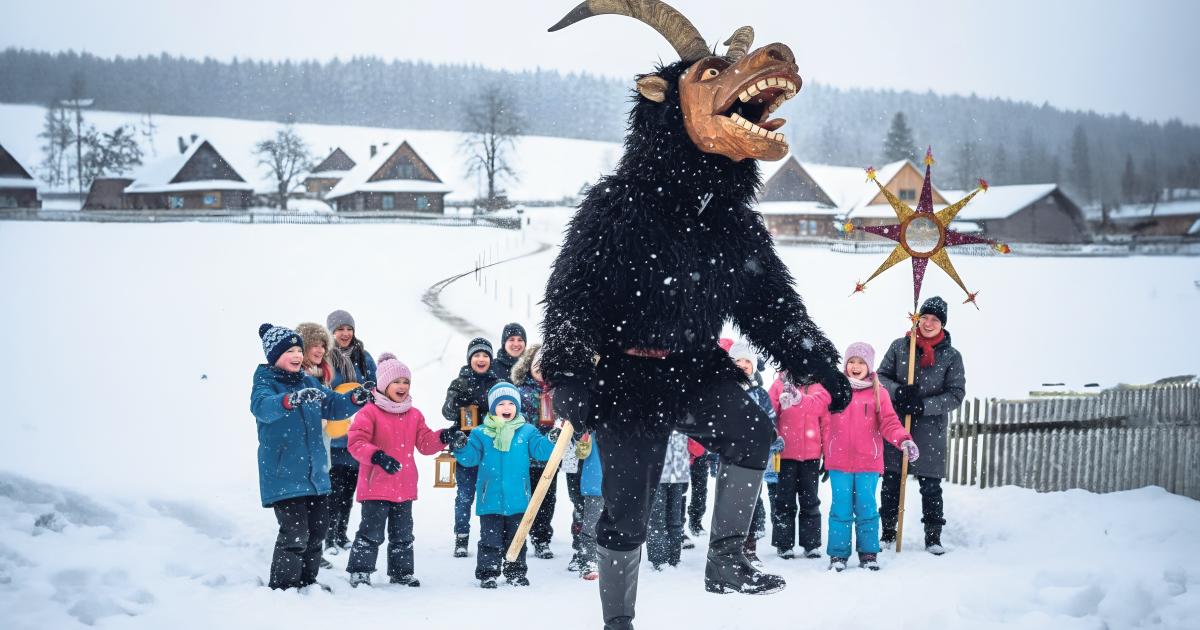
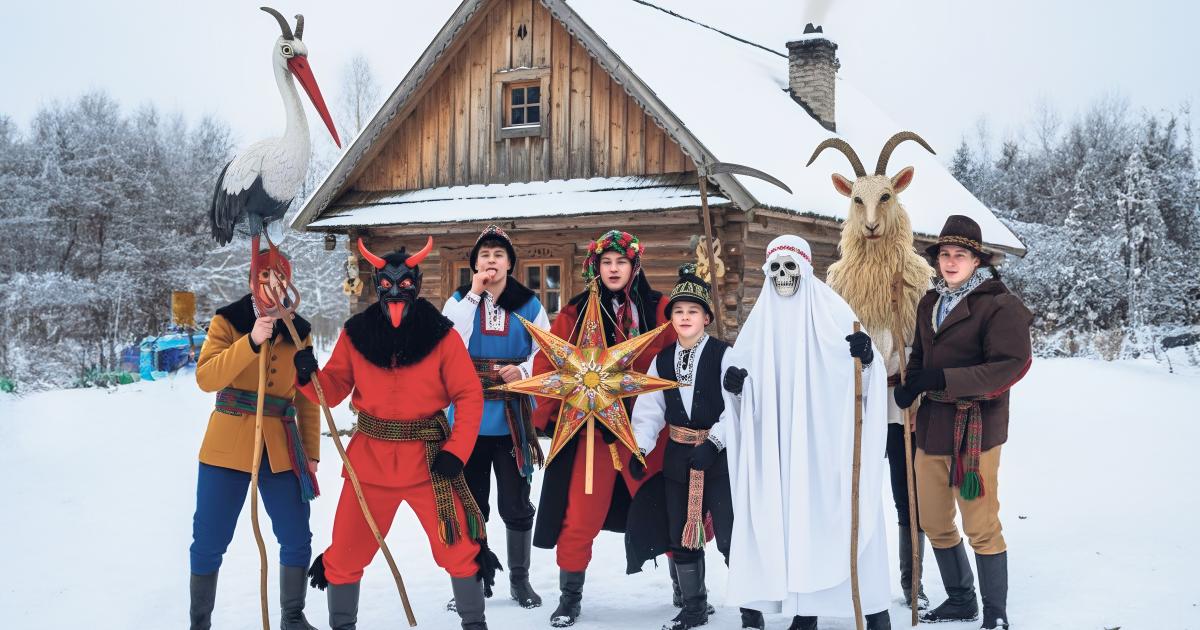
The real fun and folklore begins with the end of the year. From Christmas until Epiphany (or even longer), groups of carolers roamed the villages. They carried with them not only the good news, but also a kind of folk theater:
- Herods: Colorfully dressed groups that acted out scenes from the lives of King Herod and the devil. It was a form of morality play - the struggle between good and evil.
- Turoń: One of the most distinctive characters - a mascot with a bull's head on a stick, symbolizing fertility and strength. The aurochs often burbled about, making noise intended to ward off evil forces and ensure a good crop.
- Whistleblowers and New Year's Eve: Disguised people who went from house to house, singing, dancing and playing pranks. They received refreshments in exchange for their wishes. They were the quintessential community celebration of the holidays.
Today's Polish community, especially at parishes and schools, often revives these traditions by organizing Nativity plays or Epiphany processions, which are visual and educational reminders of this rich heritage.
Last Chord: Three Kings in Spain and Poland
The period of Worthy Holidays ends solemnly on January 6 - the Feast of the Epiphany. This is where Polish tradition merges beautifully with Spanish tradition.
- Polish Tradition: In Poland, the main custom is to write on the door the letters K+M+B (or C+M+B) - the initials of the Wise Men's names or the Latin formula Christus Mansionem Benedicat (May Christ bless this house).
- Spanish Element: In Spain, the day of the Reyes Magos (Wise Men) is pivotal - they, not Santa Claus, bring gifts to children, and the streets of cities are filled with multicolored processions.
- The Polish community in Spain has a unique opportunity to celebrate doubly: to cultivate Polish writing on doors and to participate in lavish local Spanish parades.
Tradition on the move: Polish guardians of folklore
In this age of globalization, maintaining such complex regional rituals requires determination. However, the Polish community in Spain is proving to be a guardian of Polish folklore. The organizations and associations operating here, often with the support of the Polish Consulate, bear witness that Polish culture is not frozen, but alive and passed on.
From caroling to Herodian processions, these unique rituals are our common treasure that, cherished abroad, reminds us of Poland.