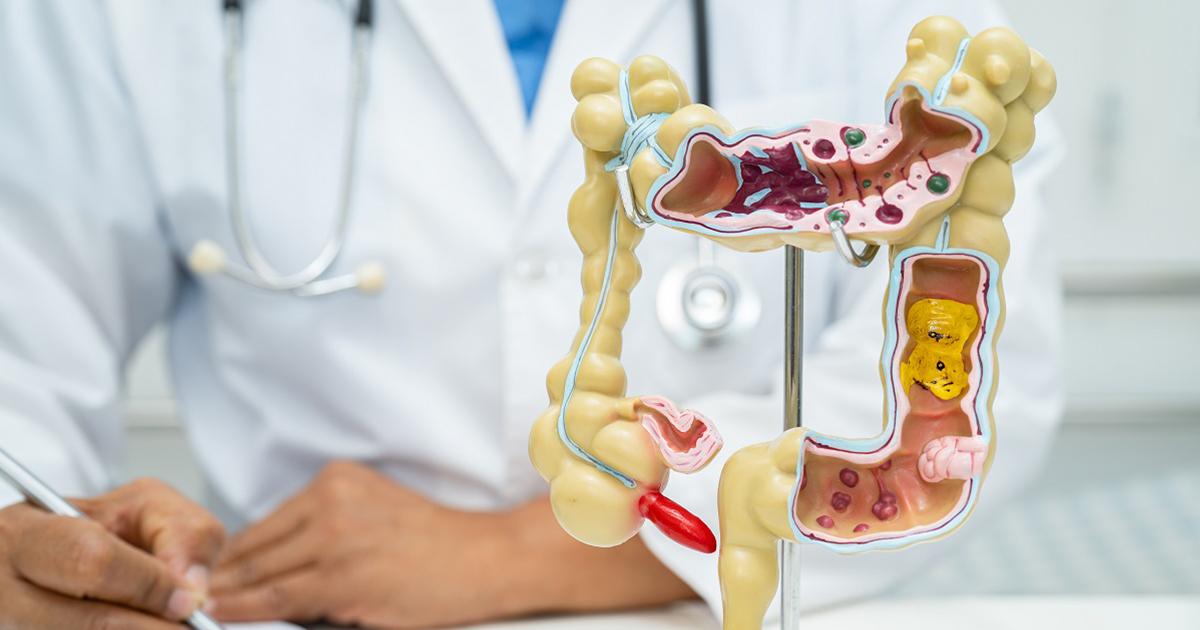
Accurate diagnosis - the key to proper treatment of irritable bowel syndrome and SIBO
SIBO and irritable bowel syndrome (SII) can produce similar clinical symptoms, but from the point of view of body function and treatment, they are different disease entities.
Torrevieja, January 23, 2026 Thousands of patients suffering from abdominal pain, bloating, gas and abnormal bowel movements have lived for years with a diagnosis of irritable bowel syndrome (SII), without experiencing full improvement despite standard therapies. In many cases, another lesser-known but increasingly recognized condition - small intestinal bacterial overgrowth (SIBO) - may be behind these symptoms.
"SIBO and SII may have similar clinical symptoms, but they are different disease entities in terms of both mechanism of onset and treatment," explains Dr. Gerardo Blanco, a gastroenterology specialist at Quirónsalud Torrevieja Hospital. "While SII is a functional diagnosis based on symptoms and clinical criteria, SIBO has a specific organic cause: an abnormal growth of bacteria in the small intestine that interferes with absorption and intestinal motility."
Causes of these gastrointestinal disorders
Irritable bowel syndrome (SII) is a common digestive disorder that causes symptoms such as abdominal pain, bloating or changes in bowel movements, even though there are no apparent structural changes in the gastrointestinal tract. Its underlying cause is complex and is associated with, among other things, impaired intestinal motility, visceral hypersensitivity, stress, past infections and imbalances in the intestinal microbiota.
In the case of small intestinal bacterial overgrowth (SIBO), symptoms appear when there is an excessive proliferation of bacteria in a section of the intestine where their numbers should be low. This can result from intestinal motility disorders, past surgeries or long-term use of certain medications. Excessive bacterial proliferation leads to intensive fermentation of food, resulting in gas and abdominal discomfort.
SIBO diagnosis
"SIBO can coexist with other gastrointestinal diseases, such as Crohn's disease or even irritable bowel syndrome itself, making it difficult to diagnose," explains Dr. Gerardo Blanco of Hospital Quirónsalud Torrevieja.
Precisely because of the similarity of symptoms, it is crucial to distinguish between the two conditions in order to apply the correct treatment. In the case of irritable bowel syndrome (SII), diagnosis is based primarily on clinical evaluation of symptoms, such as recurrent abdominal pain or abnormal bowel movements, and on performing tests to rule out other gastrointestinal diseases.
The diagnosis of SIBO, on the other hand, requires specific tests. The most commonly used is the breath test, a simple and non-invasive method to detect abnormal bacterial fermentation in the small intestine. In selected cases, more complex and accurate tests are used, such as culture of intestinal aspirate obtained during endoscopy.
"A correct diagnosis makes a huge difference and avoids a situation in which the patient struggles for years with symptoms that are not properly controlled. That is why the diagnostic process should always take place under the supervision of a specialist," the gastroenterologist stresses.
Comprehensive approach for improving quality of life
Dr. Blanco also notes the importance of avoiding self-diagnosis and self-medication, which is particularly common among patients seeking quick fixes on the Internet or social media. "Treatment should be individually tailored and take into account the patient's medical history, appropriate diagnostic testing and appropriate medical care, which may include diet, pharmacotherapy and dietary support."
With the correct identification of the cause of the ailment, in many cases patients experience a significant improvement in their well-being and quality of life - something that is highly appreciated by both specialists and patients themselves.