Moving from Poland to Spain: What You Should Know Before You Leave
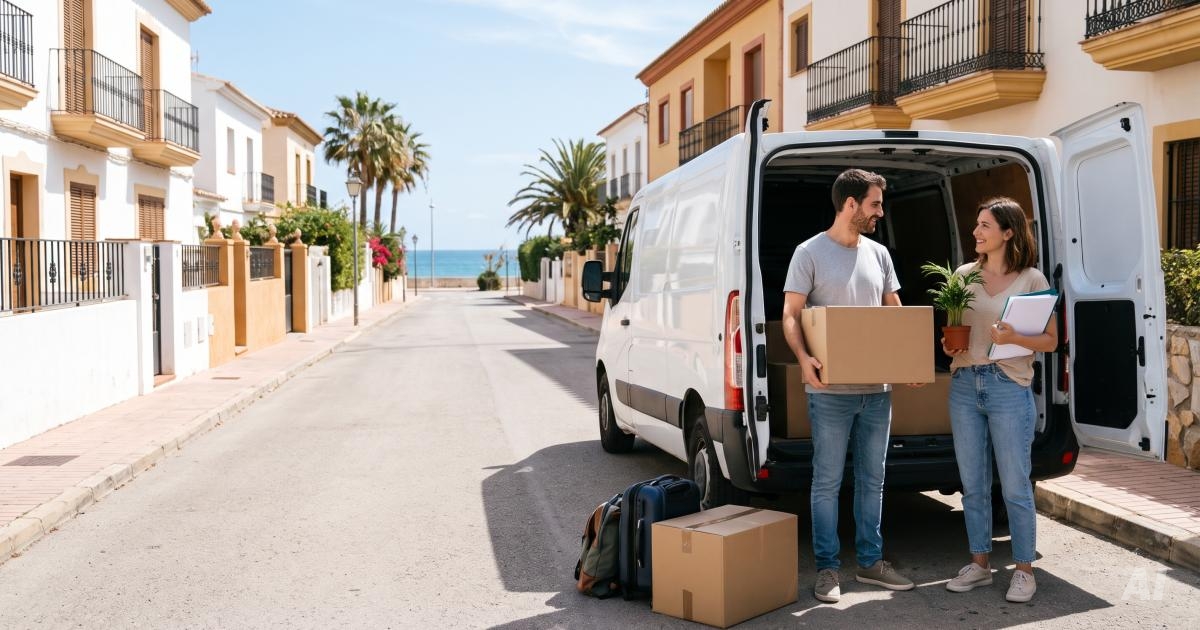
When planning a move from Poland to Spain, finding a place to live is only part of the preparation. Equally important are the formalities related to residence registration, tax status, health insurance, and employment regulations.
Whether you’re moving abroad to retire, work remotely, start a business, or live with your family, familiarizing yourself with the regulations in advance will help you avoid delays and unexpected costs.
Polish citizens enjoy the EU’s freedom of movement, which significantly simplifies procedures compared to those for citizens of non-EU countries. However, this does not exempt them from the obligation to complete local legal and administrative formalities.
Residence Registration and NIE Number
Polish citizens do not need a visa or a work permit to live and work in Spain. However, for stays longer than 3 months, registration with the Central Register of Foreigners (Registro Central de Extranjeros) is required. The application must be submitted within the first three months of entering the country.
The required documents depend on your professional and personal status:
- Full-time employment: documents confirming the employment relationship (e.g., a Spanish employment contract, a certificate from the employer).
- Self-employment (autónomo): documents confirming registration and the conduct of business activities in Spain.
- No employment (e.g., retirees): Proof of sufficient financial resources to support oneself and full public or private health insurance.
- Students: proof of admission to a university, adequate health insurance, and funds to cover living expenses.
The Certificate of Residence Registration (Certificado de registro de ciudadano de la Unión) includes a NIE number (foreign national identification number). It is important to note that simply being assigned an NIE number does not mean that the residence registration process is complete.
If you are moving with family members who are not citizens of an EU country, separate procedures and different formal requirements apply.
Documents from Poland and Formal Matters
Gathering the necessary documents before departure significantly streamlines the procedures once you arrive. Depending on the situation, you may need:
- a valid passport or ID card,
- employment documents or certificates of receipt of retirement benefits,
- proof of account balance or savings,
- Documents confirming health insurance coverage and civil status records (e.g., marriage certificates, birth certificates).
Under EU regulations, many official documents (including civil status records) do not require an apostille when presented in another Member State. In many cases, it is also possible to obtain a multilingual standard EU form, which allows you to avoid the costs of a certified translation. However, this rule does not apply to every type of document, so you should verify the requirements with the specific authority.
It is also important to distinguish between three basic concepts that are often confused:
- NIE Number – tax identification number for foreign nationals.
- Registration of an EU citizen's stay – confirmation of legal residence for more than 90 days.
- Padrón (empadronamiento) – registration in the municipal resident registry, which is required, among other things, to enroll children in school or gain access to a local health clinic.
Remote Work for a Polish Company
Remote work from Spain for a Polish employer or Polish clients requires that legal and insurance matters be settled in advance.
EU citizens are not subject to the regulations governing the Spanish visa for digital nomads (which is intended for non-EU residents). However, simply holding an EU passport does not exempt them from local tax obligations and social security contributions.
The place where work duties are actually performed is determined by the regulations applicable to the specific employment relationship. Simply remaining on a Polish payroll may not be sufficient from the perspective of Spanish social security institutions. Individuals planning to move should clarify these issues with their employer or determine whether registering a business in Spain would be the appropriate solution.
Tax Residency
A key aspect of relocating is determining when you acquire Spanish tax residency.
Under Spanish law, tax resident status is granted, among other things, when:
- the stay in Spain exceeds 183 days in a given calendar year,
- the person's principal place of business or economic interests is located in Spain,
- A spouse (who is not legally separated) and minor children who are financially dependent reside permanently in Spain (presumption of residence).
Spanish tax residents are subject to taxation on income earned worldwide (unlimited tax liability), including pensions, rental income from real estate, and capital gains from Poland. In the event of a potential conflict of residence, the provisions of the Polish-Spanish double taxation treaty apply. A change of residence does not automatically exempt a person from their existing reporting obligations in Poland.
Access to Health Care
Polish citizenship does not automatically guarantee free medical care in Spain. The rules regarding coverage depend on one’s employment and insurance status:
- Retirees and disability benefit recipients: Individuals receiving benefits from ZUS may apply for Form S1, which allows them to register with the Spanish public health care system at the expense of the social security institution in their country of origin.
- Temporary vs. Permanent Residence: The European Health Insurance Card (EHIC) covers only necessary and unplanned medical care during a tourist or temporary stay. It does not entitle the holder to full health care coverage in the event of a permanent move.
- Private insurance: If you are not eligible for public insurance, you must purchase a comprehensive private insurance policy (with no deductible or waiting periods, if it is to be used for the purpose of registering your residence).
Housing Issues and Real Estate Purchases
The procedure for purchasing real estate in Spain differs from the procedures in Poland. Before signing a reservation agreement (contrato de reserva), a preliminary contract (contrato de arras), or making a down payment, it is essential to conduct a legal due diligence review of the property.
A search of the property registry (Registro de la Propiedad) provides an extract (nota simple) indicating the owner and any existing mortgages. It is also necessary to verify that there are no outstanding local property taxes (IBI) or community fees (comunidad) and to confirm the property’s compliance with urban planning regulations.
Please note that the purchase of real estate alone does not automatically grant the right to permanent residence, nor does it replace the mandatory registration with the Office for Foreigners. For many people, renting is a good initial option, as it allows them to assess the location, infrastructure, availability of schools, and cost of living outside the tourist season.
Adapting to and Organizing Daily Life
Moving to Spain also involves adjusting to a different daily routine, banking procedures, and local administrative practices.
Both administrative procedures and the enrollment process for public or private schools have strict deadlines and take time. Knowledge of Spanish—at least at a basic level—significantly speeds up the handling of everyday matters and facilitates integration into the local community.