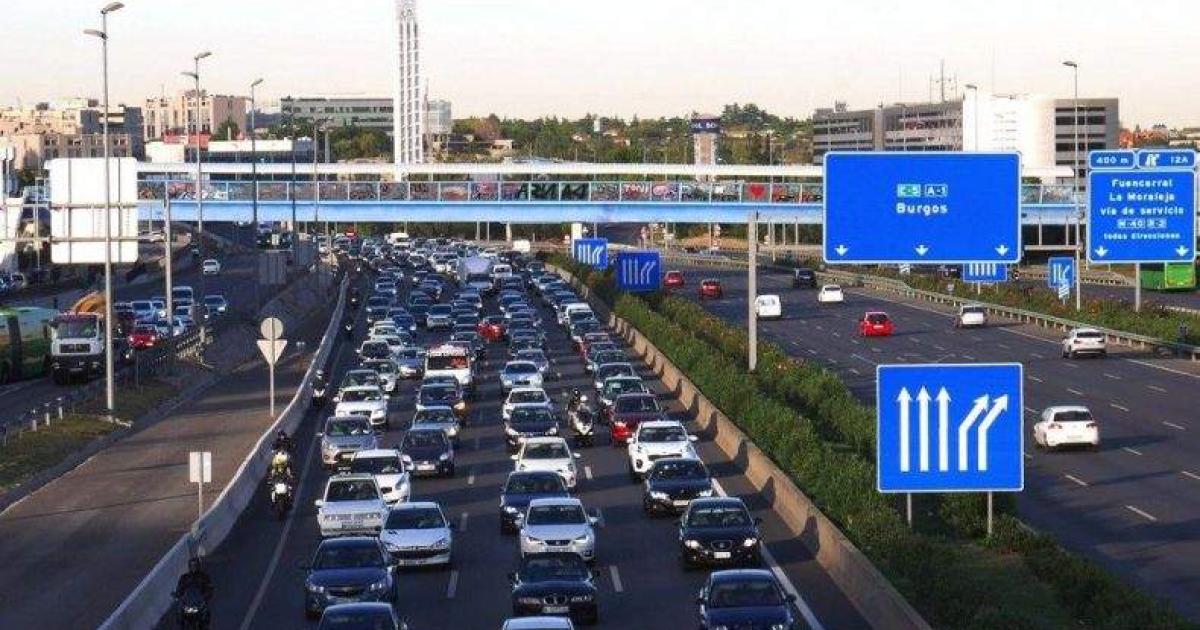
A Revolution for Motorcyclists: DGT Approves the Use of the Shoulder and New Rules on Equipment
Starting October 1, Spain’s traffic regulations (Reglamento General de Circulación) will undergo one of the most anticipated changes. After years of efforts, the General Directorate of Traffic (DGT) will allow motorcycles to ride on the shoulder during traffic jams and will also tighten regulations regarding mandatory protective gear.
October will mark a turning point for two-wheeled mobility in Spain. The new measures aim to adapt regulations to current road conditions, based on two main pillars: reducing traffic congestion during peak hours and ensuring maximum safety for motorcyclists in the event of accidents.
Below, we discuss in detail all the new regulations you need to know to avoid traffic tickets and drive safely.
Driving on the Shoulder: Big News (and the Rules)
Historically, riding a motorcycle on the shoulder was strictly prohibited and punishable by a fine of 200 euros. However, the upcoming amendment to Article 36 of the Traffic Regulations will introduce a much-needed exception aimed at alleviating traffic congestion.
Once the new regulations take effect, motorcyclists will be able to use the shoulder on intercity roads, but only if they strictly comply with the following conditions:
- Only in the event of traffic jams: Driving on the shoulder will be permitted only when there are traffic jams or very heavy traffic.
- Maximum speed of 30 km/h: Under no circumstances may you exceed this speed while traveling in this zone.
- Priority for vulnerable road users: Motorcycles will be required to yield the right of way and respect the rights of vehicles that are required to travel on the shoulder, such as bicycles, mopeds, and horse-drawn vehicles.
- Using the right shoulder: You must use the right shoulder only when traffic on it is clearly permitted by the appropriate signs.
What Will Still Be Prohibited
Please note that the shoulder does not become a traffic lane. The DGT warns that using it will still constitute a serious offense (punishable by a fine of 200 euros) in the following situations:
- Passing slower vehicles.
- Faster travel when traffic is flowing smoothly.
- Using the shoulder as an additional lane.
- Entering an exit ramp early or weaving through traffic on highways when there are no traffic jams.
- Driving in a zigzag pattern or weaving through traffic.
What are the current exceptions that allow driving on the shoulder?
Regardless of the new traffic regulations regarding traffic jams, remember that motorcycles may only pull over onto the shoulder in emergencies or in the event of a breakdown (always at an abnormally low speed and with hazard lights on until a safe place is found) or when, due to roadwork or the opening of additional lanes, authorities temporarily change the traffic flow on the roadway.
New Mandatory Equipment: Helmets, Gloves, and Vests
The change in regulations applies not only to what you can ride, but also to how you should be dressed. The DGT is tightening the requirements to reduce the severity of injuries in the event of a fall.
1. No More “Fines-Beating Helmets” (cascos quitamultas)
With the entry into force of the regulations, the requirement to wear a helmet that is properly certified and correctly fastened has been made more stringent. The DGT’s goal is to completely eliminate dangerous helmets (commonly known in Spain as “quitamultas,” meaning those worn solely to avoid a fine). This technical requirement will be fully and definitively implemented in October 2027.
2. Mandatory Approved Gloves
The hands are one of the most vulnerable parts of the body and are the first to hit the pavement in the event of an accident. That is why the use of approved motorcycle gloves will become strictly mandatory for everyone traveling on intercity roads.
3. Visibility in Emergency Situations: Reflective Vest
Until now, the rules regarding breakdowns have been somewhat unclear for motorcyclists. The new regulations update the rules on signaling: if a motorcyclist breaks down or is involved in an accident and must leave the vehicle to remain on the roadway or shoulder, they will be required to wear a reflective vest to ensure they are clearly visible to other drivers.
Summary
The DGT is taking a major step forward in 2026 to modernize the regulations for two-wheeled vehicles. Allowing riders to use the shoulder at a maximum speed of 30 km/h during traffic jams is a major victory for traffic flow, but it comes with greater responsibility on the part of the rider.
Wearing the proper equipment—an approved helmet and gloves, having a safety vest in case of emergencies, and showing respect for cyclists on the shoulder will be key to using these new amenities without jeopardizing your own safety, the safety of other road users, or your wallet.