Santa Pola recovers more than five thousand tons of sand from its beaches
The Spanish town of Santa Pola has implemented an innovative system for managing residual marine vegetation to simultaneously protect the environment, regenerate the coastline and develop a circular economy. The solution has resulted in the recovery of thousands of tons of sand that naturally disappears from beaches.
Four-stage sand treatment and recovery process
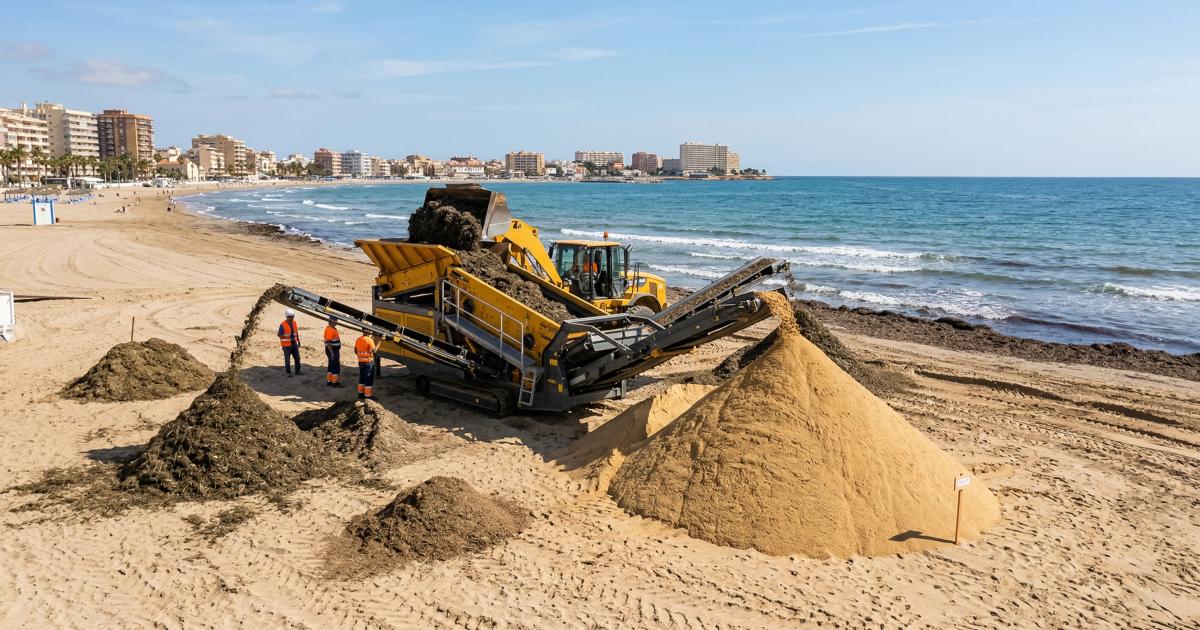
In the past year alone (2025), cleanup services recovered as much as 5,316 m³ of sand (which translates into more than five thousand tons) from discarded seagrass fragments - Posidonia oceanica. Most of the recovered material (74%) came from eastern beaches, particularly Varadero and Santiago Bernabeu, with the remaining 26% from western beaches.
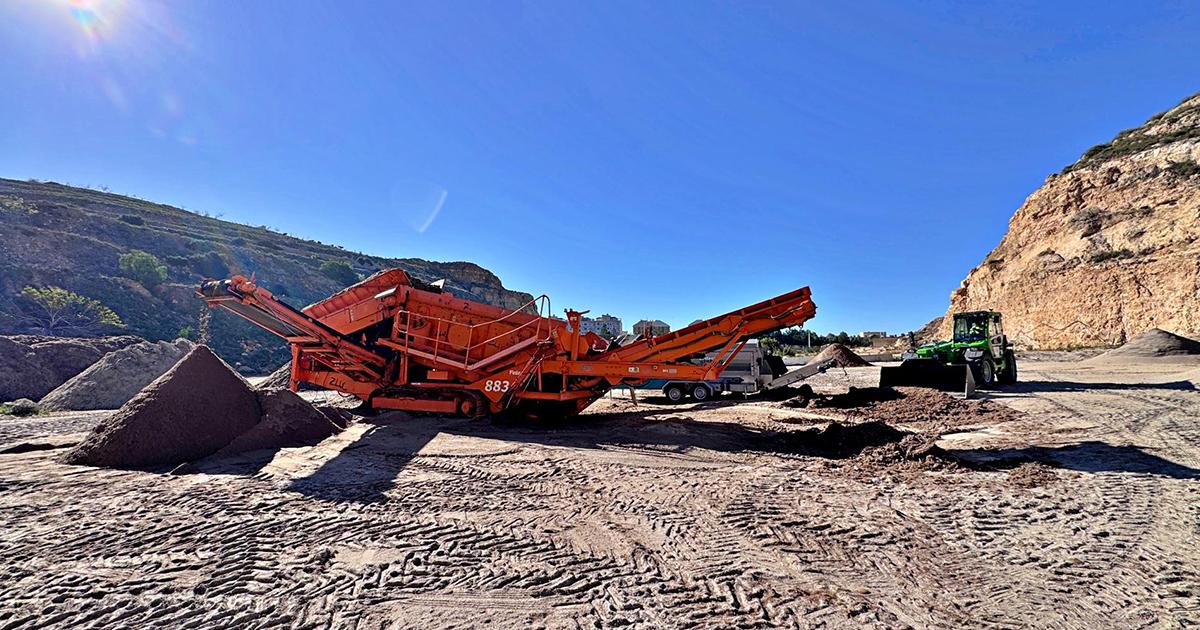
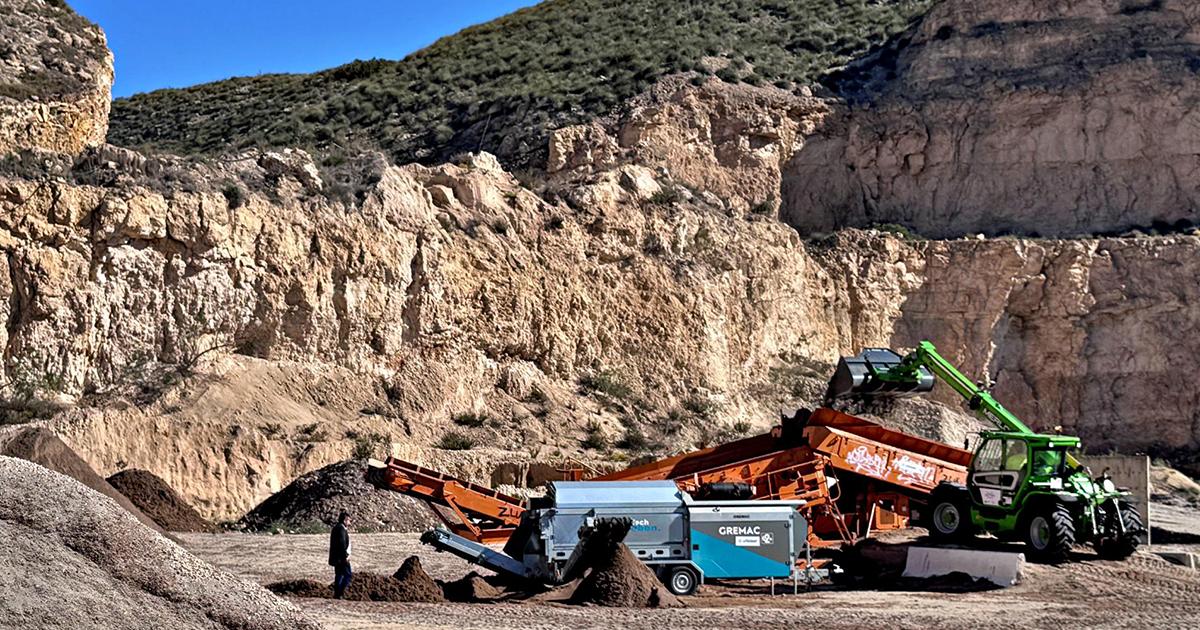
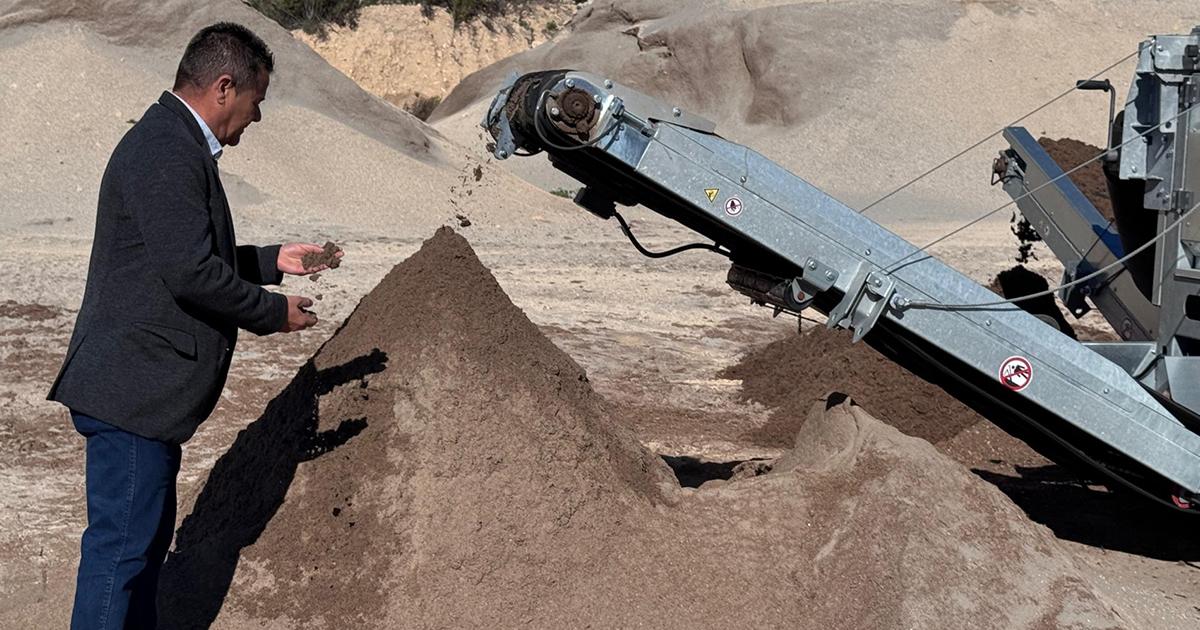
The posidonia collected from the city's beaches is transported to designated zones, where it is separated according to the beach it came from. It then goes to a special screening machine, where it undergoes a meticulous four-step process:
- First sifting: Separation of the coarsest matter.
- Second screening: Extraction of coarser posidonia fibers.
- Third sifting: Separation of much finer fibers that still contain traces of sand.
- Fourth sifting: Obtaining 100% pure sand.
Clean sand is stored in separate piles (corresponding to specific beaches), subjected to quality analysis, and then transported back to its original beach.
Closed-loop economy: the second life of posidonia
In addition to almost 100 percent recovery of sand, the process also involves full utilization of the plant itself. The purified posidonia does not become waste, but a useful raw material.
Thanks to collaboration with researchers at the University of Alicante and local companies (such as Mediterranean Algae), organic matter from posidonia is being used in:
- Production of natural cosmetics.
- Producing fertilizers and organic substrates.
- Research work on creating eco-friendly building panels.
Why is posidonia not being removed from the beaches on an ongoing basis?
The sight of piles of vegetation on the beach often raises questions and even complaints from tourists and residents who mistakenly take it for pollution. In fact, it is an entirely natural phenomenon and subject to strict legal protection.
- Seasonal Restrictions: In accordance with regional regulations on the protection of seagrass meadows and good ecological practices, posidonia can only be removed from urban beaches between March 15 and October 30. For the rest of the year, it is strictly prohibited.
- Protection of natural beaches: On natural beaches (e.g., La Gola, El Pinet in the west and Calas de l'Aljub, Bancal de l'Arena, Calas del Cuartel and La Ermita in the east), the removal of residual posidonia is prohibited year-round, except in extreme storms and massive accumulations. The presence of the plant prevents erosion and naturally protects the shore from waves.
The presence of Posidonia oceanica on the coast is not a sign of dirt - quite the contrary. It testifies to the fact that one of the largest meadows of this plant is located off the coast of Santa Pola, which guarantees exceptional oxygenation, transparency and excellent water quality in the bay.