Easter holidays - between Poland and Spain
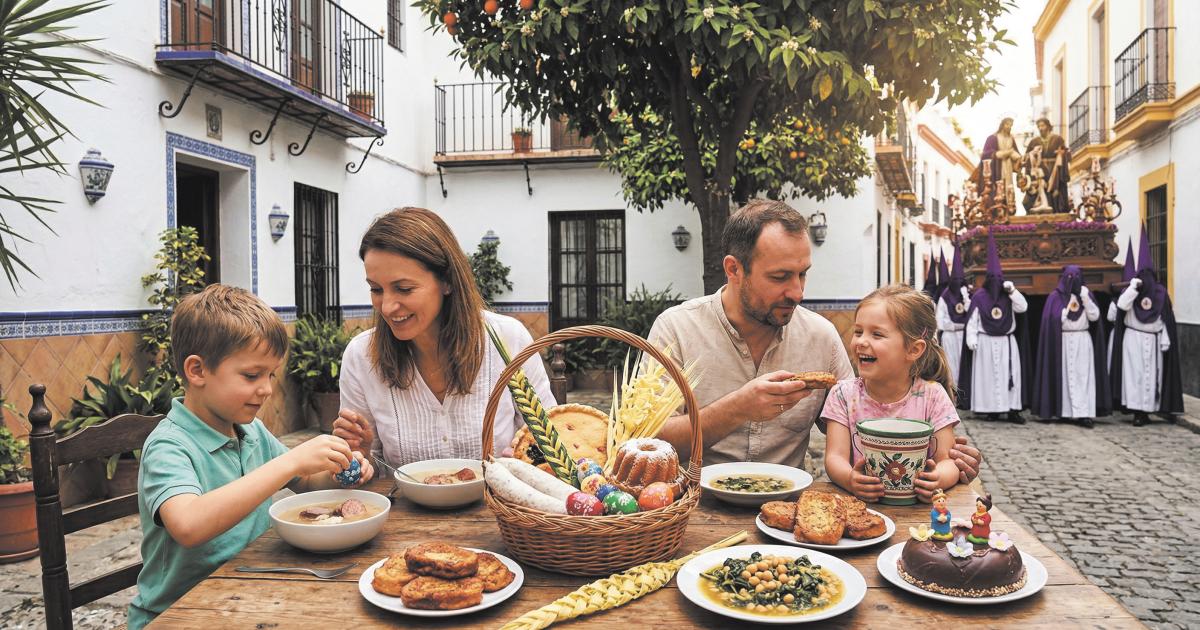
As oranges bloom in Spain and spring warmth is already in the air, the streets there are filled with the solemn mood of the Semana Santa procession. However, for Poles living on the Iberian Peninsula, it is, above all, a time to return to their roots. Although cinnamon, frankincense and codfish reign supreme all around, sour soup, white sausage and homemade baked goods invariably play first fiddle on the tables of the Polish community, which is the most important link to the country.
Bridge between traditions
Polish and Spanish Easter differ in their dynamics and atmosphere - in our country, the dominant feature is a homely atmosphere and a joyful breakfast, while in Spain it is a public, spectacular celebration of the Lord's Passion. However, we have one thing in common: a deep attachment to family. For the Polish community, it's an opportunity for a unique culinary journey - from Polish święconka to Spanish mona de Pascua - and to discover that in every latitude, holidays taste best when they combine heart and tradition.
Easter Sunday and Lany Monday
In Poland, Easter is a time of rich symbolism. A Sunday breakfast with a holy bread basket - horseradish, eggs, sausage and babka - unites the family around the table in a gesture of sharing eggs and hope. Polish families in Spain cherish this custom, often organizing a communal blessing of baskets in local parishes, which becomes an important part of community building.
The contrast can be clearly seen on Easter Monday. In Poland, it's a time of joyous Easter Monday, full of laughter and outdoor fun. In Spain, the day is almost non-existent in religious tradition - in most regions it is a normal working day. The exceptions are Valencia and Catalonia, where Monday off is used for family picnics. Poles living in Spain then often create a joyful mix: they celebrate Śmigus-Dyngus in the sun on the beach or in the park, cultivating Polish merriment in the Spanish outdoors.
Lenten flavors: Herring meets Bacalao
Lent in Polish tradition is a time of tranquility and culinary abstinence. For centuries, Poles have given up meat and dairy products, replacing them with herring, sauerkraut and groats. On Friday evenings, families gather for the Stations of the Cross, and Palm Sunday brings colorful palms - from modest bouquets of basil to impressive constructions reminiscent of those from Lipnica Murowana.
These traditions are carried over by Polonia to Spain, where our palm trees meet Spanish intricately woven palm leaves (palmas blancas). Looking for Lenten inspiration, Poles naturally reach for the local king of the table - bacalao (cod). Although Spanish cod in tomato sauce or in the form of croquettes (croquetas) is delicious, for many of our compatriots it remains a complement to the classic Polish herring in cream. Spanish potaje de vigilia (chickpea and spinach soup) also makes an interesting combination, and on Polish tables it often sits alongside traditional white borscht, creating a unique Polish-Spanish Lenten menu.
Easter sweets - two worlds of flavors
Polish Easter without mazurka and Easter babka? Impossible! Mazurka - a flat cake on a crumbly bottom, decorated with nuts and icing - is a true work of art. Every Polish housewife has her secret recipe for a yeast babka scented with vanilla or a velvety pascha made of cottage cheese and nuts.
In Spanish homes at this time, torrijas (golden slices of bread in milk with cinnamon) and honey-fried pestiños reign supreme. For Polish families in Spain, it's the perfect opportunity for a culinary dialogue: mazurka on one plate with torrijas, and Polish babka next to Spanish mona de Pascua. This exchange of flavors builds the most lasting bridges - we preserve our Polish identity while enjoying Spanish hospitality.
Material published with the financial support of the Consulate General of the Republic of Poland in Barcelona