TriNaranjus – the iconic bottle
If Spain had its own iconic drinks—like Poland’s orangeade in a pouch or Polo-Cockta—TriNaranjus would undoubtedly be among the top contenders. This bright orange non-carbonated drink, housed in a distinctive bottle featuring three bulging oranges, has been a staple for Spaniards for 90 years.
The Beginnings – A Genius from the Pharmacy
TriNaranjus was created in 1933 in Valencia by Dr. Agustín Trigo Mezquita, a pharmacist with a vision. At a time when soft drinks were still in their infancy, he created something completely new: a refreshing, citrus-flavored non-carbonated beverage. It was the first product of its kind on the Spanish market.
Interestingly, the original name was “Naranjina.” It was only later that it was renamed “TriNaranjus”—after the “three” varieties of oranges—Valencia, Salustiana, and Cadenera—that gave the drink its unique flavor.
The Bottle Everyone Knows
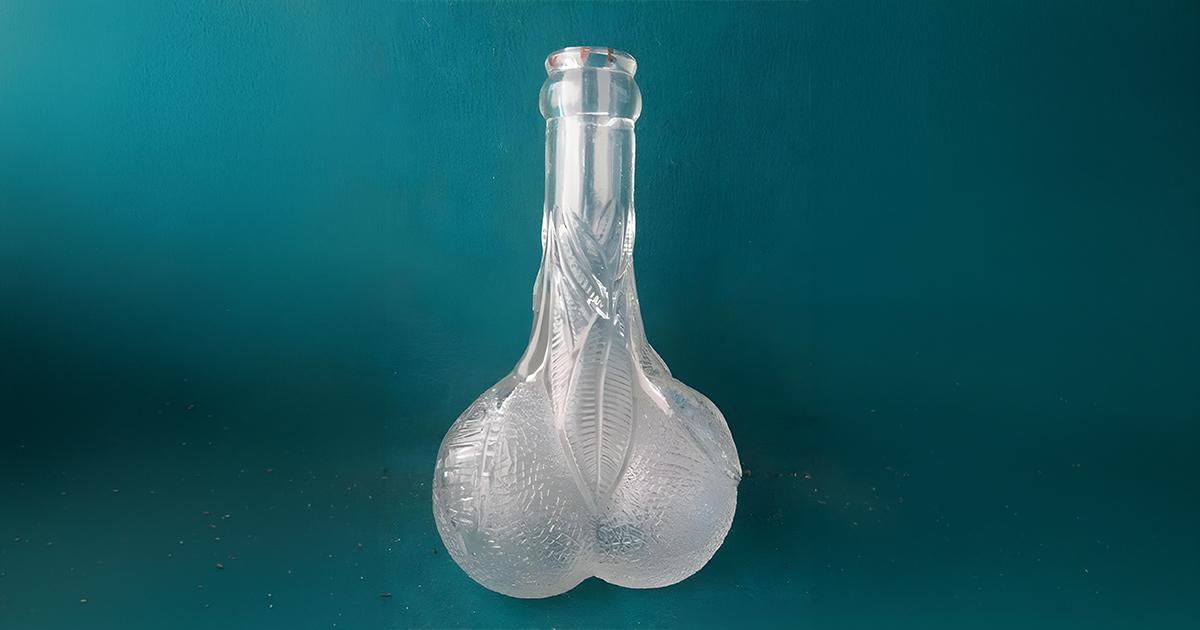
One of the most recognizable elements of TriNaranjus was—and still is today—... the bottle. The 1934 design, patented as a “utility model,” features distinctive grooves and three oranges at the base—a subtle yet ingenious branding touch. It is thanks to this bottle that the drink has become an icon of Spanish pop culture. Original bottles from those years now fetch prices ranging from 50 to as much as 1,000 euros on the collectors’ market!
The Golden Years and the Modern Revival
In the 1970s, 1980s, and 1990s, TriNaranjus enjoyed its golden age. Found in bars, chiringuitos, school stores, and vending machines, it was a drink for both “special occasions” and “everyday life.” Many Spanish adults still recall the taste of TriNaranjus as the taste of their childhood.
Today, the drink isn’t quite as ubiquitous as it once was, but it hasn’t disappeared. It’s undergone a makeover—with modern label designs, new flavors, and even “zero” versions. The brand proudly celebrates its 90-year history and invites new generations to discover it.
TriNaranjus – More Than Just a Drink
For Poles living in Spain, TriNaranjus may be not only a culinary curiosity but also an interesting way to strike up a conversation with Spaniards about their memories, culture, and childhood. It’s a drink that bridges generations—and tastes just as good today as it did 90 years ago.