Spain Tightens Traffic Laws: Minimum Age for Riding E-Scooters Set at 15, and a Comprehensive Reform of the Traffic Code
The Council of Ministers has approved an amendment to the General Traffic Regulations (Reglamento General de Circulación), the main purpose of which is to increase protection for the most vulnerable road users. The most notable change is setting the age limit for electric scooter users at 15 and introducing a mandatory helmet requirement. However, the reform covers a much broader scope, introducing new restrictions for cyclists, motorcyclists, and taxi drivers, as well as changing the rules for traveling on urban and intercity roads.
New Rules for Personal Mobility Devices (VMPs)
Electric scooters and other personal mobility vehicles (PMVs) have become a permanent fixture in the landscape of Spanish cities, prompting lawmakers to introduce stricter safety standards.
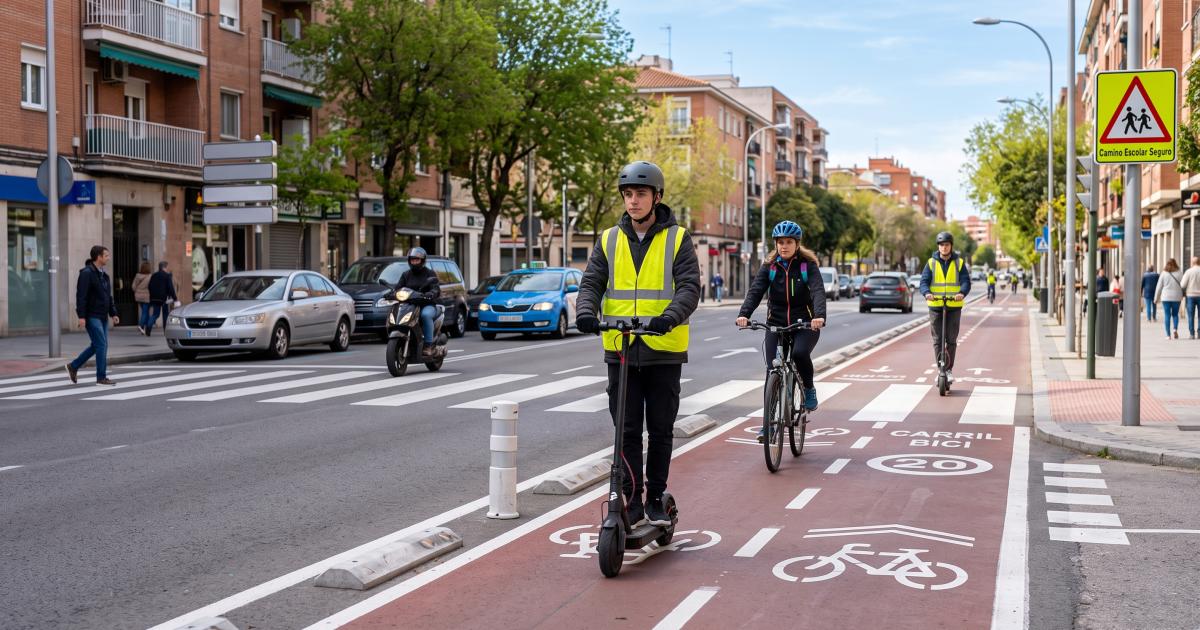
- Age limit and mandatory helmet: Only individuals who are at least 15 years old will be allowed to use these devices. In addition, wearing a helmet will be mandatory, just as it is for cyclists.
- Reflective gear and lighting: Users traveling at night or in conditions of limited visibility must wear a reflective vest. Importantly, couriers and other professionals who use VMPs for work are required to wear a vest at all times. In the future, a requirement to ride with lights on at all times will also be introduced.
- Infrastructure: Outside urban areas, e-scooters will be allowed to travel on routes separated from motor vehicle traffic, such as bike paths or bike lanes.
- Penalties: Failure to comply with the new rules (including not wearing a helmet or reflective gear) will be treated as a serious offense, punishable by a fine of 200 euros.
Changes for Cyclists: Increased Distance and Visibility
The reform places a strong emphasis on the safety of cyclists, introducing new rules both within and outside built-up areas.
- Overtaking on intercity roads: Drivers overtaking cyclists will be required to reduce their speed by at least 20 km/h below the speed limit in effect on that stretch of road, while maintaining a minimum lateral distance of 1.5 meters.
- Urban traffic: In cities, cyclists are granted the right—and encouraged—to ride in the center of the lane, which is intended to prevent them from being dangerously pushed to the side of the road and to improve their visibility.
- Helmets and Reflective Gear: The previous exceptions allowing riders to ride without a helmet on intercity roads have been eliminated—now helmets will be mandatory for everyone. In addition, professional cyclists (e.g., delivery riders) must wear reflective vests at all times or face a fine of 200 euros.
New Requirements for Motorcyclists and Commercial Transport
Motor vehicles have also been affected by these changes. The law closes loopholes in the regulations and standardizes safety rules for professional drivers and riders of two-wheeled vehicles.
- Motorcycles and mopeds: Drivers and passengers of two-wheeled vehicles will be required to wear protective gloves on intercity roads and closed-toe shoes on all types of roads. Standards for head protection have also been tightened—helmets must now have full type approval, not just certification.
- Taxis and heavy-duty vehicles: Exemptions from the seat belt requirement have been eliminated. Once the regulations take effect, taxi drivers, truck drivers, and driving instructors and students in driving school vehicles will be required to wear their seat belts at all times.
Other Changes to Infrastructure and Traffic
The amended traffic code also updates the general provisions, bringing them in line with modern realities:
- Safe Routes to School: The new law officially recognizes the concept of “safe routes to school” (caminos escolares seguros), which will allow local governments to more effectively implement measures to protect children in the vicinity of educational institutions.
- General Rules: The regulations regarding driving in winter conditions (snowfall), rules for passing other vehicles, behavior at crosswalks, and regulations governing the parking of motorhomes have been updated.
Schedule for Implementing Changes
To give road users time to adapt to the new requirements, the government has planned a two-phase implementation of the regulations:
| Effective Date | Covers |
|---|---|
| October 1, 2026 | Most of the provisions of the amendment (including age restrictions for e-scooters, rules for passing cyclists, and taxi lanes). |
| October 1, 2027 | Requirement to use only helmets approved for motorcyclists and the obligation to ride with lights on during the day for e-scooters (VMP). |