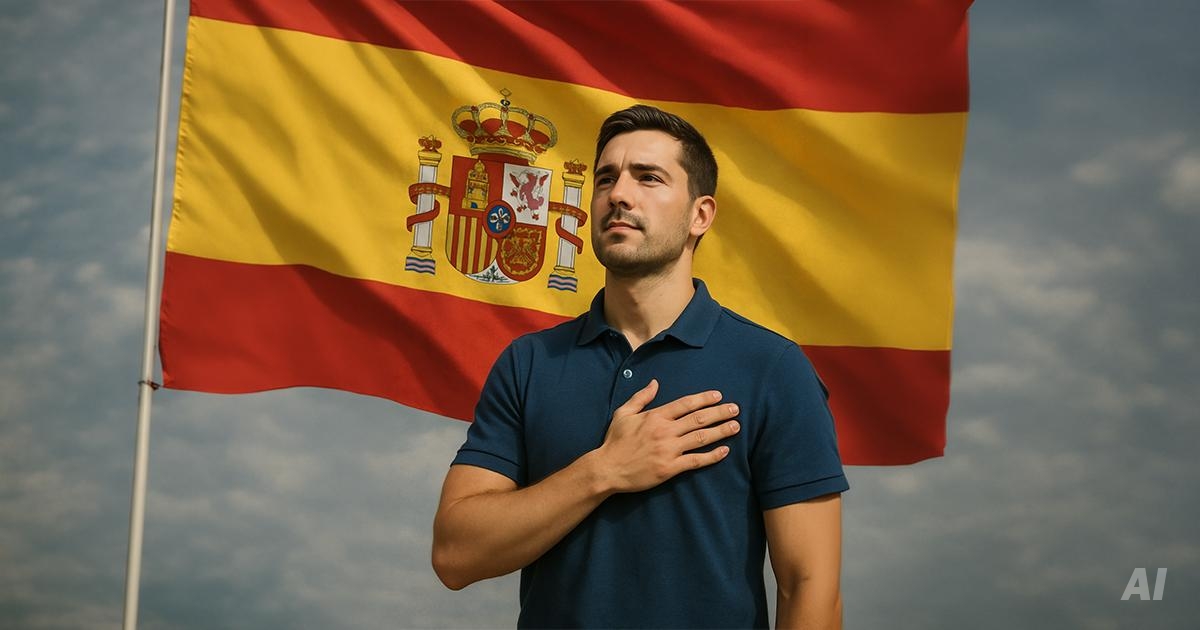
The Spanish National Anthem—National Music That Remains Silent
Although it’s hard to believe, one of Europe’s most recognizable national anthems—Spain’s Marcha Real—is among the few anthems... without lyrics. In a country full of passion, music, and expression, the national anthem is silent. Why?
A Royal Melody
"Marcha Real," or "Royal March," is one of the oldest national anthems in the world. Its origins date back to the 18th century—specifically to 1761—when it appeared in a book of military marches under the title "Marcha Granadera."
The name itself gives a lot away—it was not a folk song or a revolutionary battle hymn, but a ceremonial march, played on important occasions. And although the melody was played for decades, it never acquired official lyrics that would stand the test of time.
There were attempts, but…
Throughout Spain’s history, there have been numerous attempts to create an official text for the national anthem. There have been poetic and patriotic versions, and even national contests—yet no proposal has gained widespread acceptance.
One of the main reasons was that in a country with such strong regional identities (Catalonia, the Basque Country, Galicia…), it was difficult to craft a text that would unite rather than divide. The melody—neutral and dignified—seemed like a safer choice.
Political Silence
After the fall of Franco’s dictatorship in 1975, the new Spain sought symbols that would unite society. However, the lyrics of the anthem, which were associated with the regime, were rejected. In 2007, a contest for new lyrics was announced again—but it ended in failure. None of the entries won the approval of the public or the parliament.
The Anthem That Isn't Sung
Today, "Marcha Real" remains one of only a few national anthems without official lyrics (alongside those of Bosnia and Herzegovina and San Marino, for example). Spaniards listen to it with respect, often with a hand on their heart—but no one sings along. Well, unless someone decides to improvise… which sometimes leads to funny situations in stadiums.
Silence That Speaks Volumes
Paradoxically, the silent anthem fits perfectly into Spanish reality. It is a symbol of compromise and respect for diversity. You don’t need words to feel national pride—sometimes a shared melody, familiar to everyone, is enough.
So the next time the “Marcha Real” plays at the stadium and you don’t hear anyone singing along—don’t be surprised. It’s not a mistake; it’s a tradition. A Spanish one. One of pride. And without words.