Spanish Carnival: a Spectacle of Colors, Traditions and Symbols
Carnival in Spain is one of the most anticipated events of the year, full of color, joy and spectacular shows. The tradition, deeply rooted in Spanish culture, combines historical roots with modern forms of celebration, attracting locals and tourists alike.
History of Carnival
The roots of Carnival date back to ancient times, when the Greeks and Romans held lavish festivals in honor of the gods, such as Bacchanalia and Saturnalia. With the spread of Christianity, this tradition was adapted and adapted to the religious calendar. Carnival became a period of joyful celebration before Lent - a time of reflection and abstinence.
In Spain, Carnival was particularly important during the medieval and Renaissance eras. Even during General Franco's dictatorship, when celebrations were officially banned, Carnival games were still held in many regions in secret. After the restoration of democracy, the tradition regained its place in Spanish culture.
The Meaning of Carnival
Carnival in Spain is a time when boundaries between social classes and daily chores disappear. Masks and disguises symbolize equality and the opportunity to escape from everyday worries. It's also a moment to celebrate life, joy and freedom, which is especially evident in the lavish parades, music and dancing.
When is carnival celebrated?
Carnival usually begins a few days before Ash Wednesday and lasts until what is known as Martes de Carnaval (Shrovetide). Dates vary from year to year, as they depend on the date of Easter, but usually fall in February or early March.
Spain's most famous carnivals
Although Carnival is celebrated throughout the country, some places are famous for their unique and spectacular celebrations:
- Carnival in Santa Cruz de Tenerife (Canary Islands) Considered one of the most spectacular in the world, the carnival in Santa Cruz de Tenerife rivals even that in Rio de Janeiro. Its hallmarks include colorful parades, musical performances and contests for the most beautiful costume. Particularly impressive is the selection of the carnival queen, whose dress can weigh up to several tens of kilograms!
- Carnival in Cadiz (Andalusia) Carnival in Cadiz is distinguished by its unique atmosphere and humor. The highlight is the performances of musical groups called chirigotas, which sing satirical songs commenting on social and political events.
- Carnival in Sitges (Catalonia) Known as one of the most open and inclusive carnivals in Spain, Sitges particularly attracts the LGBTQ+ community. The event is full of energy, color and fantastic costumes, with nightly parties lasting until dawn.
- Carnival in Águilas (Murcia) Águilas is famous for its parade full of creative costumes and the tradition of drinking a local liquor called cuerva. This carnival has been recognized as an event of national tourist importance.
Characteristic elements of Carnival in Spain.
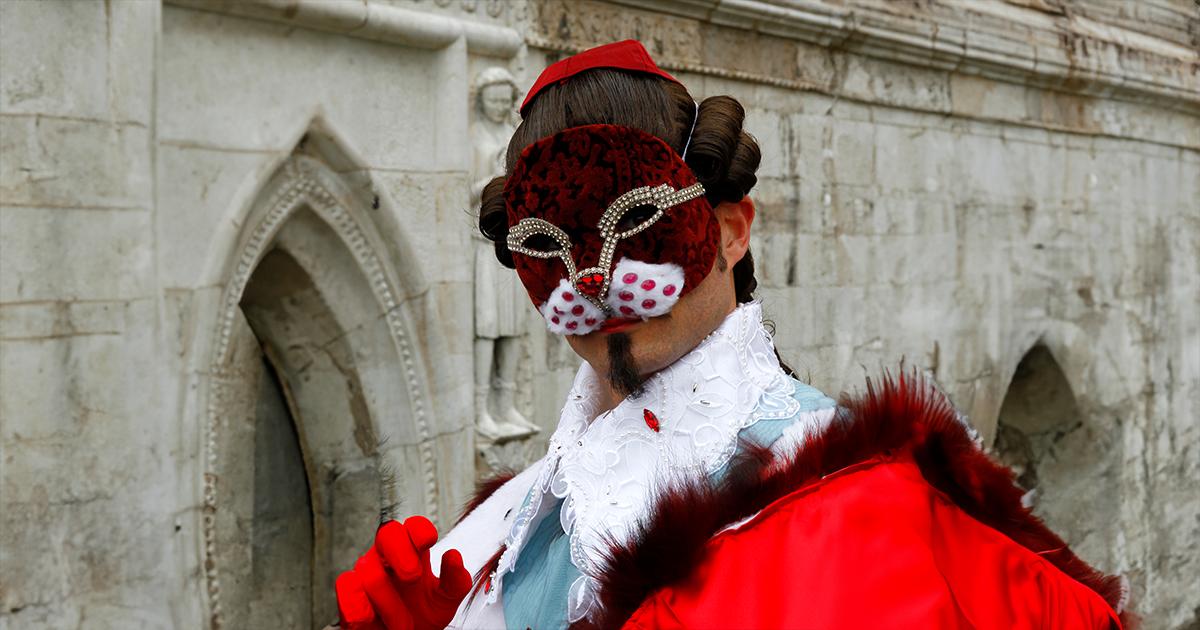
Masks and Costumes
Masks play a key role in Carnival celebrations, symbolizing anonymity and freedom. People dress up in historical costumes, pop culture characters or handmade costumes, highlighting the creativity of participants.
Parades and pageants
Carnival parades are the most spectacular part of the festivities. Platforms with dancers, live music and fireworks displays pass through the main streets of cities, creating a spectacle full of energy and color.
Music and Dance
Music is the heart of Carnival. In Spain, the rhythms of flamenco, salsa, samba and traditional local melodies reign supreme. Participants dance in the streets, partying to the beat of the music until the wee hours of the night.
Carnival Kitchen
Carnival is also a time of culinary delights. In many regions of Spain, traditional sweets are prepared, such as:
- Torrijas - bread dipped in milk, egg and fried until golden brown, often sprinkled with sugar.
- Buñuelos - small doughnuts with various fillings, such as chocolate or cream.
- Churros con chocolate - fried dough served with hot chocolate.
Sardine Funeral - the end of the Carnival
Carnival ends with a symbolic event called Entierro de la Sardina (Funeral of the Sardine). It is a parody of a funeral, during which a huge puppet of sardines is burned. The ceremony symbolizes the end of the fun and the beginning of Lent.
Why experience Carnival in Spain?
Carnival in Spain is not only an opportunity to have fun, but also a deeper immersion into the country's culture and traditions. Spectacular parades, music, dance and regional delicacies create an unforgettable atmosphere worth experiencing at least once in a lifetime.
If you're planning to visit Spain during Carnival, be sure to check dates in advance and book accommodations in advance - it's one of the busiest events of the year!