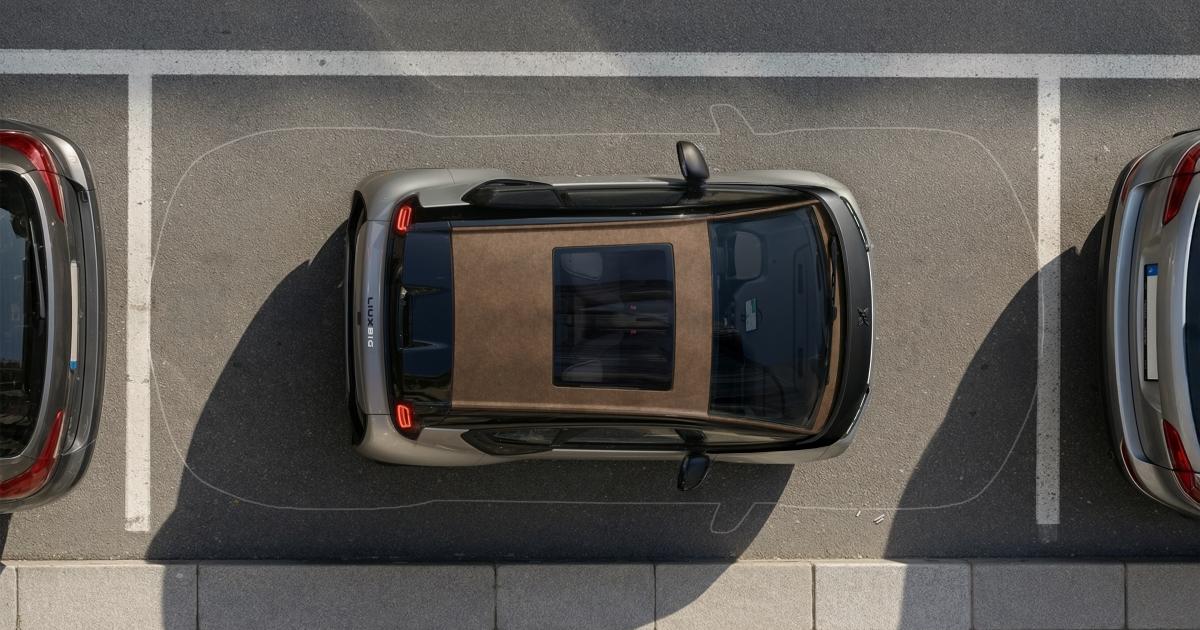
Liux Big: A New Era of Urban Mobility
An electric vehicle from Spain that you can drive starting at age 16.
In a nutshell: The Liux Big model is entering the phase leading up to the start of mass production. Thanks to its L7e certification, this innovative electric vehicle, built from biocomposites, will be available to drivers as young as 16, revolutionizing the approach to European urban mobility.
Key Classification: L7e and Young Drivers
Liux Big is preparing to begin mass production, and its most interesting feature is its special classification under European regulations. The vehicle has been classified and certified as a four-wheeled vehicle in the L7e category. This unique legal category sets it apart from conventional passenger cars and allows it to be legally driven by individuals as young as 16 (a driver’s license of the appropriate category, such as B1, is required).
This classification defines the type approval framework for the Big model, imposing specific requirements regarding its maximum weight and power. As a four-wheeled vehicle, this model is subject to special regulations specific to this type of electric vehicle, which opens up the market to an entirely new demographic—younger drivers looking for a safe and eco-friendly alternative to scooters or public transportation.
Ambitious Production and Financial Plans
The company is currently preparing for its next major step: launching the vehicle into mass production. This stage follows a rigorous phase of technical development, testing of innovative materials, component validation, and preparation of the entire industrial infrastructure.
Representatives of the Liux brand have set 2026 as the projected start date for production of the Big model. The company’s strategy calls for a gradual and steady increase in production volume to reach a target production capacity of 15,000 units per year by 2028. As production increases, so do the financial goals: the company plans to achieve revenue of 80 million euros in 2027 and double that amount in 2028, targeting 170 million euros. To implement the entire plan, the company has allocated an investment budget of 30 million euros spread over five years.
Summary of the plans in numbers:
- 2026: Start of production
- < 18,000 €: Estimated price
- 15,000: The number of vehicles produced annually through 2028.
An Innovative Manufacturing Network in Spain
The vehicle's development is based on an extensive infrastructure that Liux is gradually rolling out in the province of Alicante and the surrounding area. This process has been divided among several strategic centers:
- Elche: It is home to key operations related to technical development (R&D), component validation, and research into new materials. It was there that the concepts for the innovative monocoque cockpit and body were first developed.
- Novelda: This city is home to a specialized facility dedicated to the design and manufacture of chassis and vehicle bodies made of biocomposites.
- Azuqueca de Henares (Guadalajara): The plant where final vehicle assembly is scheduled to take place and from which the finished cars will be shipped to the market.
Biocomposites: A Lighter and More Eco-Friendly Future
What sets Liux Big apart from the competition is its unique approach to construction materials. The factory in Novelda focuses on creating chassis and body components made from biocomposites. These materials, largely based on flax fiber and other natural fibers, are at the heart of Liux’s philosophy, which aims to drastically reduce the vehicle’s structural weight.
The company proudly points out that the use of flax fiber makes it possible to create chassis and body structures that are up to 50% lighter than traditional steel or aluminum solutions. Furthermore, this technology reduces the carbon footprint (CO₂) of production by at least 60%. From a circular economy perspective, this innovative system allows for the recovery of as much as 98% of the resin used and 100% of the flax fabric used in the production process.
Price, Market, and Interest
As previously announced, the Liux Big is intended to be an affordable vehicle that meets the needs of urban electric mobility. The model’s expected price will be less than 18,000 euros (including VAT, excluding any potential government subsidies for electric vehicles).
The Spanish startup’s vision has been met with tremendous enthusiasm in the market. Even before its official commercial launch, Liux had amassed an impressive number of over 7,500 registered users, which confirms the huge demand for lightweight, eco-friendly, and affordable vehicles that young people can use in cities across Europe.