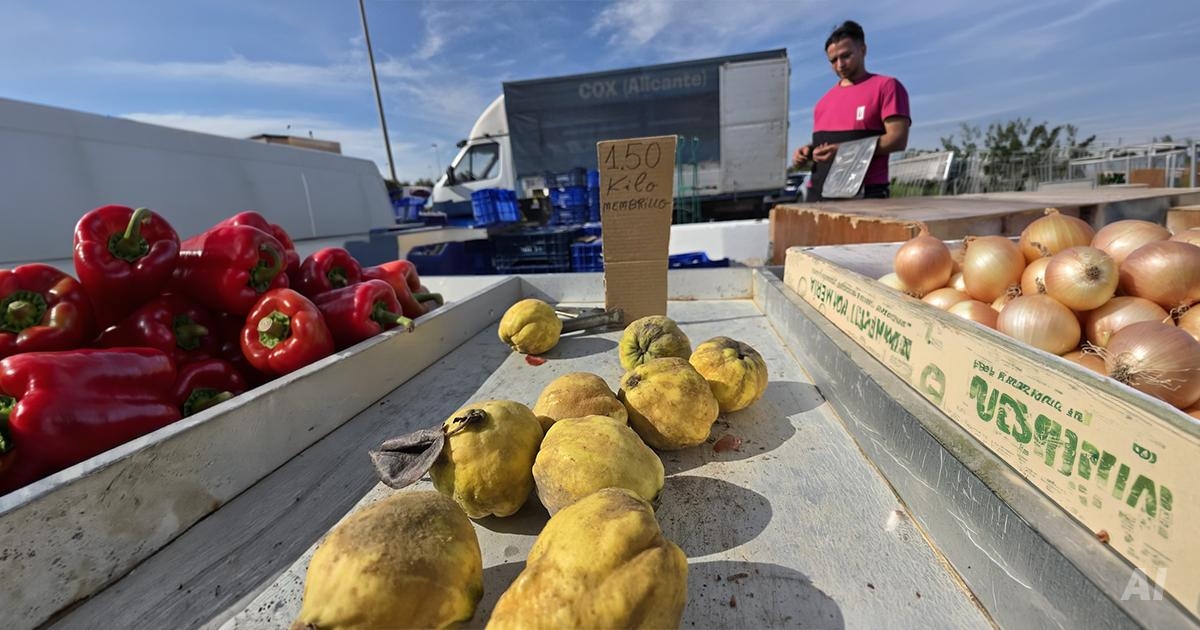
The Gold of the Spanish Fall. It's time for quince, or "membrillo" as it's called here
An autumn stroll through the alleys of local markets in Spanish towns offers a riot of colors and scents. Amid the citrus fruits and pomegranates, crates filled with hard, fuzzy fruits of an intense yellow color catch the eye. A handwritten sign reads: membrillo. In Poland, we know this fruit as the common quince. Although November marks the peak of the harvest, the entire season on the Iberian Peninsula lasts from September through December.
Prices at the markets vary depending on the region, variety, and size of the stall. They usually start at around 1.50 euros per kilogram—as is the case at the market in Torrevieja or in smaller towns in the province of Alicante—though at other stalls or in larger urban areas, prices can sometimes reach 2.00–2.50 euros. Regardless of minor price differences, it remains an inexpensive ingredient with exceptional culinary and health benefits.
The Fruit of Ancient Civilizations: A Brief History of the Quince
The quince is one of the oldest fruits cultivated by humans. It originates from the Caucasus and Asia Minor, and was already known in Mesopotamia more than 4,000 years ago.
It was introduced to the Mediterranean region by the ancient Greeks—its Latin botanical name, Cydonia, derives directly from the Cretan city of Kydonia (today’s Chania). In ancient times, the quince symbolized love, fertility, and happiness. Some scholars identify it with the golden apple that Paris gave to Aphrodite in the famous myth of the Judgment of Paris.
The quince was well known to the ancient Romans, who used it in cooking, including in dishes made with honey. During the al-Andalus period, Muslim gardeners also valued this fruit — they cultivated various varieties and used them in cooking, including for making syrups, although there is no conclusive evidence that the thick quince paste we know today was already being produced at that time.
The King of Spanish Pantries: Dulce de membrillo
Many residents associate membrillo mainly with the ready-made, firm jelly in plastic molds found in Spanish supermarkets next to the cheese counter. However, it is precisely in late fall that the scent of fruit slowly simmering with sugar wafts through homes here.
Traditional quince jelly is made possible by the fruit’s high natural pectin content. Prolonged cooking transforms the pale flesh into a dark ruby-red, firm mass that is cut into thick slices with a knife. It’s a classic in Spanish cuisine:
- With Manchego cheese: a perfect contrast between the creamy sweetness of the quince and the dry, salty flavor of aged sheep's milk cheese.
- On a breakfast toast: a slice of jelly served on crispy bread with fresh cottage cheese (requesón).
- For dried fruit and nuts: served with roasted almonds and walnuts.
A Polish Touch: Liqueur and a Vitamin-Rich Tea Additive
For Poles living in Spain, the autumn abundance of membrillo is the perfect opportunity to prepare homemade specialties:
- Homemade quince liqueur: The fruits, ripened in the Mediterranean sun, are incredibly aromatic. Simply rub off the fuzz, cut them up, cover them with sugar, and once the juice has been released, pour alcohol over them.
- Spanish Quince Syrup: Thin slices of quince layered with sugar in a jar release a tart syrup rich in vitamin C, which perfectly enhances the flavor of fall tea.
A Simple Recipe: Homemade membrillo
If you're tempted by the fruit at the market, making your own quince paste just requires a little patience:
- Cleaning: Wash the fruit thoroughly with a cloth to remove the rough fuzz. Do not peel the skin—most of the natural pectin is found in the skin and around the seed cavities.
- Cooking: Cut the quinces into quarters (removing the hard seed cores) and cook them in a small amount of water for about 20–25 minutes, until tender.
- Blending: Blend the cooked fruit into a smooth purée. Weigh the mixture—for every 1 kg of purée, add 700–800 g of sugar and the juice squeezed from half a lemon.
- Reduction: Cook over low heat, stirring frequently with a wooden spoon, for about 45–60 minutes. When the mixture darkens, takes on a ruby hue, and begins to pull away from the bottom of the pot, it’s ready.
- Setting: Pour the hot mixture into molds lined with parchment paper. Once it has cooled and been chilled in the refrigerator, it will set enough that you can easily slice it. When stored in the refrigerator, it stays fresh for many months.